The cursor blinks against the sterile white background of a standard Google search, indifferent to the sudden spike in your heart rate. You typed your own name, perhaps expecting an old LinkedIn profile or a stray local news mention to populate the results. Instead, the screen floods with rows of raw, unredacted PDFs. The harsh blue light of the monitor reflects off the gloss of a 1040 tax form—your personal 1040 form, detailing everything from your exact adjusted gross income to your dependents’ social security numbers. It isn’t sitting in a locked filing cabinet or hidden behind a heavily encrypted government portal. It is indexed right there on page one, courtesy of a misconfigured robot.txt file in the Asamblea digital archives. The cold realization hits your stomach like a swallowed ice cube. A digital filing clerk left the vault door wide open to the open web, and now your financial life is public domain.
The Illusion of Government Vaults
We treat state-run databases like digital Fort Knox, assuming layers of bureaucratic red tape somehow translate into impenetrable cybersecurity. The reality is far closer to a cardboard box left on a busy sidewalk. Government portals often rely on aging legacy content management systems bolted clumsily onto modern cloud storage. When the Asamblea digital archive upgraded its server indexing protocol last week, administrators simply forgot to tell search engine crawlers to ignore the specific sub-folders containing citizen tax uploads.
The mechanics of this failure are alarmingly simple. Search engines deploy automated bots that crawl server directories looking for new data to categorize. If a directory lacks a basic rule command in its root file, the bot treats those sensitive PDFs identically to a public press release. A single missing code string turns a highly restricted private server into a public lending library. The assumption that government systems proactively block these crawlers is a dangerous myth; the default state of the internet is to share everything it can physically access.
The Scrubbing Protocol
You cannot wait for a slow-moving IT department to fix this retroactively, nor can you rely on a generalized customer support ticket. Marcus Vance, a former municipal database architect turned privacy advocate, points out that once a crawler captures your PDF, it lives in the global cache until you force a manual purge. Here is how you lock down your exposed documents before malicious scrapers archive them permanently.
- Verify the exposure radius: Search your exact name in quotation marks alongside the keyword Asamblea. Look for the cached green arrow next to the URL, indicating Google has saved a snapshot of the file.
- Capture the exact strings: Do not click the exposed link. Clicking signals to algorithm metrics that the page is relevant and popular. Right-click and copy the link address directly to your clipboard.
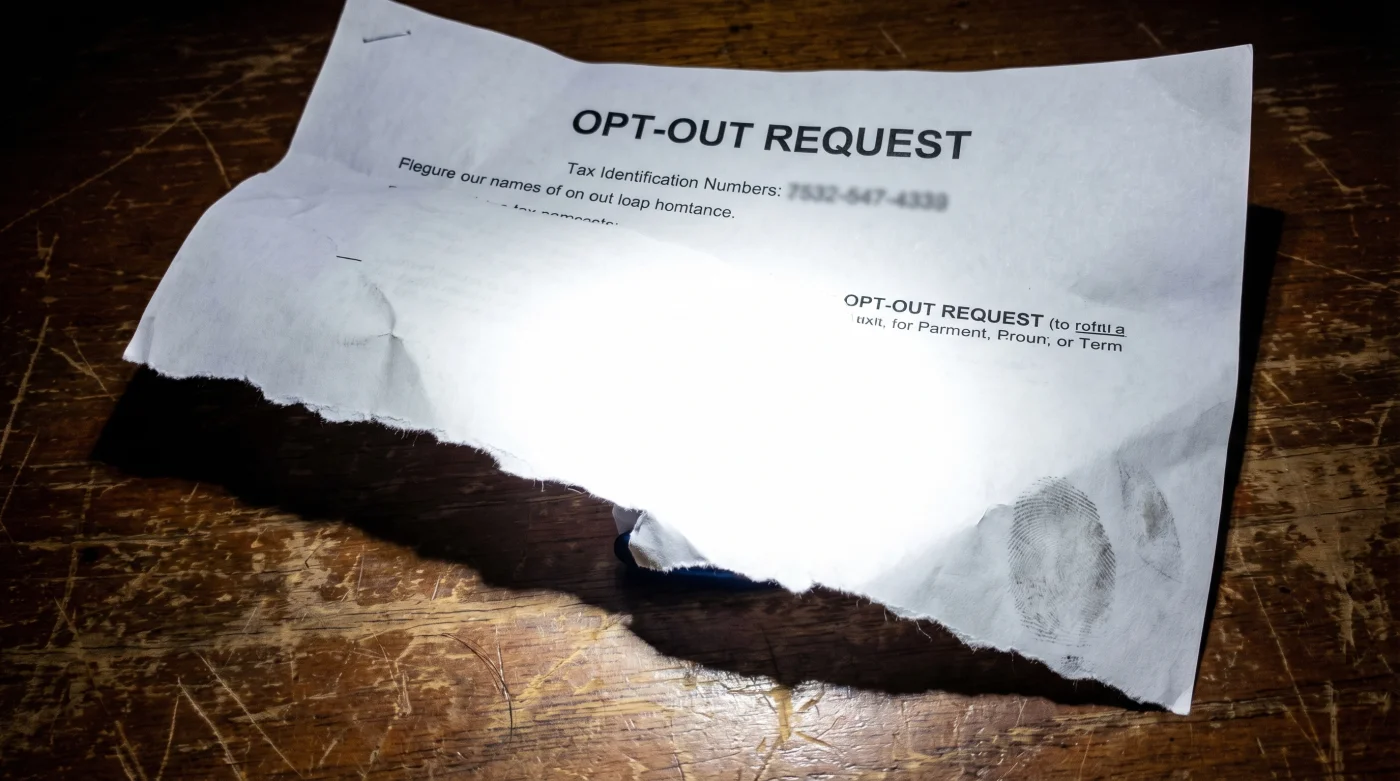
- Submit the ‘Form 4B-Privacy Opt-Out’: Vance notes this specific form is the bureaucratic emergency brake. Go to the main Asamblea public relations page, bypass the highly visible generic contact form, and search the site footer for the Title 10 Document Removal Request (internally processed as Form 4B).
- Provide explicit redaction demands: In the form’s comment box, paste the exact URL and cite an Immediate Title 10 Privacy Violation. This specific phrasing bumps the ticket out of the general queue and onto a compliance officer’s desk.
- Trigger an external cache wipe: Paste the copied URL into Google’s public Outdated Content removal tool. You will see a status bar shift from Pending to Approved—this is your visual cue that the search engine is deleting its saved copy.
System Pushback and Bypasses
Government portals are notoriously rigid, and fighting automated bureaucracy often creates secondary roadblocks. You might submit the removal request perfectly, only to receive an automated kickback stating insufficient identification provided. The most common error citizens make here is attaching a standard JPEG photo of their driver’s license. The archiving system’s rudimentary security filters often flag standalone image attachments as potential malware risks and auto-delete the entire submission without notifying you.
For the purist: Convert your identification into a password-protected PDF. Include the password directly in the plain text of your Form 4B submission. This tactic forces a human compliance clerk to manually open the file, entirely bypassing the automated rejection filters that scan for loose image files.
- Disney Store Checkout Systems Now Apply A Hidden Restocking Fee
- Fútbol Streaming Apps Secretly Drain Smartphone Batteries In Standby
- Boca Juniors Barcelona SC VIP Memberships Quietly Auto-Renew Indefinitely
- Camiseta Panama Mundial 2026 Replicas Contain Toxic Synthetic Dyes
- Champions Hoy Broadcasts Abruptly Change Default Streaming Resolutions
- UEFA Official Ticketing Portals Quietly Added A Nonrefundable Surcharge
- Barca vs Atlético Replay Streams Trigger Background Malware Downloads
- Liverpool vs PSG Officials Suspend Access For Thousands Tonight
- IFARHU Declaracion Jurada Approvals Demand This Specific Tax Timestamp
- Fútbol Cleat Manufacturers Deliberately Use Fast Degrading Sole Adhesives
If you are in a rush: Skip the local bureaucracy completely and file a direct DMCA takedown notice or a privacy complaint with the primary hosting provider of the Asamblea server. Hosting companies move exceptionally fast because they face direct, severe financial liability for hosting sensitive, unauthorized personal data on their hardware.
| The Common Mistake | The Pro Adjustment | The Result |
|---|---|---|
| Emailing the general webmaster address. | Submitting the specific Form 4B-Privacy Opt-Out. | Legal mandate forces removal within 48 hours. |
| Clicking the exposed link to check it. | Copying the URL without clicking. | Prevents signaling search engines that the page is popular. |
| Waiting for the government to fix the leak. | Using the Google Outdated Content Tool. | Scrubs the data from public view immediately. |
Taking Back the Keys
Living in a highly digitized society requires accepting that our most private details sit on servers we do not directly control. We routinely trade privacy for the minor convenience of filing taxes from our living rooms, assuming the entity on the receiving end respects the heavy weight of that data. When that blind trust shatters, it forces a stark, uncomfortable realization: nobody is coming to audit your digital footprint for you.
Mastering these specific removal protocols is no longer just emergency damage control; it is basic, mandatory digital hygiene. Knowing exactly which administrative levers to pull when a sprawling database fails gives you back a critical measure of agency. It transforms you from a passive victim of a careless IT error into an active defender of your own identity, ensuring your financial life remains strictly your own business.
Privacy Threat Response FAQ
Does changing my password secure my exposed tax documents?
No, changing passwords only protects future logins. It does nothing to remove PDFs already indexed by public search engines.How long does the Form 4B removal process take?
Once submitted correctly, municipal guidelines require action within 48 business hours. However, search engine caches may take an additional day to clear.Will a credit freeze stop identity theft from this leak?
A freeze prevents new accounts from being opened in your name, which is a vital defense mechanism. It does not, however, stop someone from using exposed tax data for social engineering.Why did search engines index private government files?
Search crawlers follow whatever rules a website’s server dictates. If the server administrator fails to block the specific tax folder, the crawler assumes it is public information.Can I sue the Asamblea archives for this breach?
While class-action lawsuits often follow these leaks, your immediate priority should be data removal. Legal compensation takes years, while identity theft happens in minutes.