You walk into your kitchen at two in the morning for a glass of water. The house is entirely silent except for the steady, low hum vibrating through the floorboards. It is the heartbeat of your home, the refrigerator, working a relentless night shift it never signed up to finish. We rarely give this appliance a second thought as long as the milk stays cold and the ice maker clatters.
You probably think of this massive metal monolith as an invincible box of winter, a magic cabinet that somehow defies the ambient room temperature. But your refrigerator does not actually create cold air; it acts as a mechanical thermal sponge, soaking up the heat from your weekly groceries and forcefully squeezing it out into the kitchen. And right now, underneath the doors, it is struggling to exhale heat.
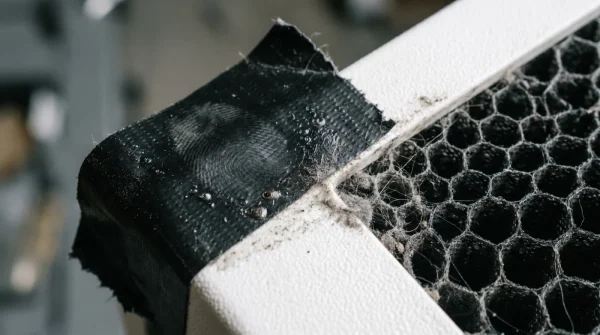
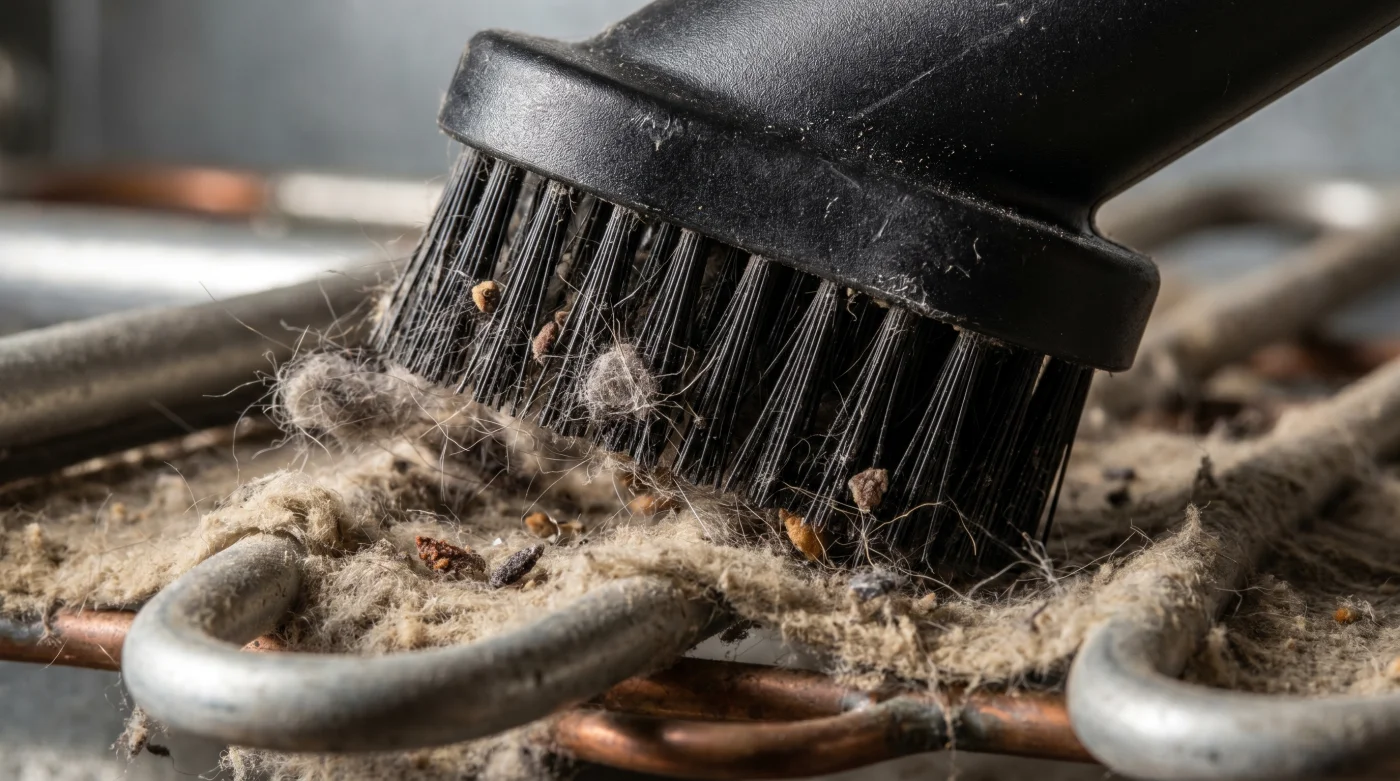
Hidden down by your feet, tucked behind a slotted plastic grille, lies a complex labyrinth of black metal tubing known as the condenser coils. Over the months and years, these coils quietly sweep up shed dog hair, fallen baking flour, and the invisible, pervasive dust that floats through the reality of your daily life. It is an unseen trap.
When you ignore this hidden underbelly, you unknowingly force your appliance to work twice as hard just to maintain its baseline temperature. The internal motor runs considerably hotter, the cooling cycles stretch longer into the night, and the invisible cost slowly drains your wallet.
The Lungs of Your Kitchen
Think of your condenser coils as the literal lungs of your kitchen’s ecosystem. When they are clean and unobstructed, ambient air flows smoothly across the metal fins, wicking away the heat extracted from your leftover dinners and fresh vegetables. The entire system balances itself with effortless, quiet grace.
But when those delicate coils wear a thick, matted coat of pet dander and kitchen grime, the machine is essentially breathing through a wool sweater. The heat remains trapped against the metal. The compressor must grind away for hours, burning unnecessary electricity just to drop the internal temperature by a single, stubborn degree.
This is where the typical homeowner gets the maintenance equation completely wrong. We mistakenly assume that because the heavy machinery is out of sight, it requires a highly paid professional to service. In reality, the low placement of these coils at the floor level is a distinct structural advantage. It puts the entire solution right at the end of your standard vacuum hose.
The Repairman’s Secret
David Vance, a fifty-eight-year-old independent appliance technician working in suburban Pennsylvania, spends his harsh winters fixing refrigerators that people claim are permanently broken. He walks into frantic, warm kitchens, pulls the massive stainless-steel units away from the wall, and shines his heavy flashlight directly at the floor. Nine times out of ten, he does not even reach for his wrench set. He simply asks the homeowner to hand him their vacuum cleaner. David often explains that people will eagerly spend three thousand dollars on a smart appliance, but they never spend three minutes saving a thousand-dollar machine. That simple layer of household dust acts as high-grade commercial insulation, tricking the machine into overheating and dragging it toward an early, preventable grave.
Tailoring the Approach to Your Kitchen
Not all refrigerators breathe exactly the same way. Identifying where your specific unit houses its vital coils changes the rhythm and physical approach of your seasonal maintenance routine.
For the Freestanding Traditionalist
If you have a standard top-or-bottom freezer model sitting proudly in a designated alcove, your coils are most likely located at the very back or right underneath the bottom doors. Pop the front grille off with a gentle, firm tug. You will see the dusty metal maze waiting for you in the shadows. Here, accessibility is your greatest asset, allowing you to sweep it beautifully clean during a regular Sunday afternoon chore session without moving heavy furniture.
For the Built-In Purist
High-end luxury units that are seamlessly integrated into your custom wood cabinetry often hide their cooling coils at the very top, tucked behind a slotted vented panel near the ceiling. You will need a sturdy step stool and a little more deliberate patience. The dust up here is noticeably finer, carried upward by rising warm kitchen air and microscopic cooking grease.
- Stainless Steel Skillets Ruin Proteins Without This Temperature Check
- Engine Stop-Start Systems Secretly Destroy Your Starter Motor Prematurely
- TVMAX Streaming Portals Suddenly Block Access For Outdated Devices
- Micellar Water Formulations Secretly Destroy Your Natural Skin Barrier
- Merca Panama Vendors Abruptly Reject Standard Cash Transactions Today
- Smart TV Processors Degrade Rapidly Using Default Factory Settings
- Drip Coffee Makers Harbor Toxic Mold Without This Weekly Flush
- iPhone Battery Health Drops Dramatically When Using Fast Chargers
- Mortgage Escrow Accounts Hide A Secret Tax Overpayment Loophole
- HDMI Cables Downgrade Streaming Resolution When Bent Over 90 Degrees
For the Pet-Heavy Household
If Golden Retrievers, tabby cats, or Maine Coons share your living space, your floor-level coils are wearing a thick fur coat by Thanksgiving. You absolutely cannot wait for an annual spring cleaning ritual. You need to pull that bottom grille off every three months, making the process less of a dreaded chore and more of a predictable, seasonal reset for your kitchen’s hardest worker.
The Five-Minute Respiration Protocol
Transforming your refrigerator’s daily efficiency is a tactile, highly mindful process. You do not need to muscle the heavy machine around the floorboards or risk damaging the sensitive freon lines in the back. You just need clear intention and the correct household attachment.
Before you begin the physical work, always pull the power plug from the wall or flip the dedicated circuit breaker. The sudden, profound silence that follows is your immediate cue to begin working with quiet, safe intention. Grab your home vacuum cleaner and locate the soft bristle brush attachment usually reserved for drapes.
Follow these specific, unhurried physical steps to clear the airway:
- Remove the base grille by gripping both ends firmly and pulling straight toward your knees.
- Shine a bright flashlight directly into the dark cavity to assess the landscape of accumulated debris.
- Let the vacuum brush glide gently over the metal fins, allowing the raw suction to pull the dust rather than aggressively scrubbing the hardware.
- Use a specialized flexible coil brush to gently sweep out the packed debris hidden deep in the back corners where the hose cannot physically reach.
- Snap the plastic grille firmly back into place, listening carefully for the secure click of the retaining tabs.
Tactical Toolkit: A soft-bristled vacuum attachment, a flexible twenty-four-inch refrigerator coil brush, a standard LED flashlight, and exactly five minutes of uninterrupted focus.
Beyond the Monthly Energy Bill
We frequently measure home efficiency strictly in kilowatts burned and dollars saved on a utility statement. While stripping away that grey, heavy blanket of dust will immediately drop the raw energy required to keep your produce crisp, the true payoff of this maintenance is far more personal and psychological.
It is fundamentally about the quiet, grounding satisfaction of pure self-reliance. You are no longer just a passive consumer crossing your fingers and hoping the complex machine holds together until the extended warranty finally expires. By picking up the vacuum, you are actively preserving the machine’s life and taking ownership of your physical environment.
When you plug the refrigerator back into the wall socket, stand still and listen closely. The large motor will kick on with a noticeably softer, less strained hum. It is the distinct sound of a heavy machine that can finally breathe easily again. You have successfully given it back its stamina, ensuring that your family’s food stays perfectly safe and your kitchen remains a reliable place of comfort rather than a source of sudden, expensive crises.
The most expensive appliance repair is the one you could have prevented with a standard vacuum cleaner and five minutes of your Tuesday.
| Key Point | Detail | Added Value for the Reader |
|---|---|---|
| Energy Consumption | Clean coils reduce compressor cycle times by up to twenty percent. | Noticeable drops in your monthly electric bill without changing usage habits. |
| Machine Lifespan | Prevents the compressor motor from overheating and permanently seizing. | Delays a costly two-thousand dollar appliance replacement for years. |
| Food Safety | Maintains a highly consistent internal temperature below 40 degrees Fahrenheit. | Milk lasts longer and produce stays crisp, reducing weekly grocery waste. |
Frequently Asked Questions
How often do I really need to clean my condenser coils?
For a standard home, twice a year is perfect. If you have multiple shedding pets, bump that up to every three months to prevent heavy, suffocating matting.
Do I absolutely have to turn off the power first?
Yes. It eliminates the risk of an electric shock and stops the condenser fan from spinning, so you do not accidentally damage the fragile plastic blades with your vacuum nozzle.
What if my vacuum attachment cannot reach the back?
Invest ten dollars in a flexible refrigerator coil brush. It bends smoothly around tight corners and pulls the hidden dust forward so the vacuum can catch it easily.
Can I use a damp cloth to wipe the coils down?
Keep moisture completely away from this area. Water combined with fine dust creates a thick mud that bakes onto the hot coils, ruining their thermal efficiency entirely.
Is it normal for the metal coils to feel warm to the touch?
Completely normal. That warmth is the heat being successfully removed from the inside of your fridge. If they are stone cold while the motor is running, call a technician.