You stand in the driveway on a crisp Saturday morning, the faint smell of citrus degreaser hanging in the humid air. The hose is coiled, the wash buckets are properly stacked, and the paint of your vehicle reflects the neighborhood trees like a dark, freshly polished mirror. You reach for your favorite detailing towel, ready to buff away the final water droplets and admire your hard work.
Everything feels right. The fabric is plush, soft against your knuckles, and carries a faint, pleasant scent of a spring meadow from the dryer. Yet, as you drag that fluffy yellow square across the hood, you are unknowingly carving microscopic canyons into your clear coat. The very tool you trust to protect your vehicle’s finish is slowly destroying it, one pass at a time.
The sabotage didn’t happen in the driveway today. It happened three days ago in the laundry room. The machine meant to clean your tools has silently transformed them into a hazard, and it all comes down to a fundamental misunderstanding of what makes this specific synthetic fabric function.
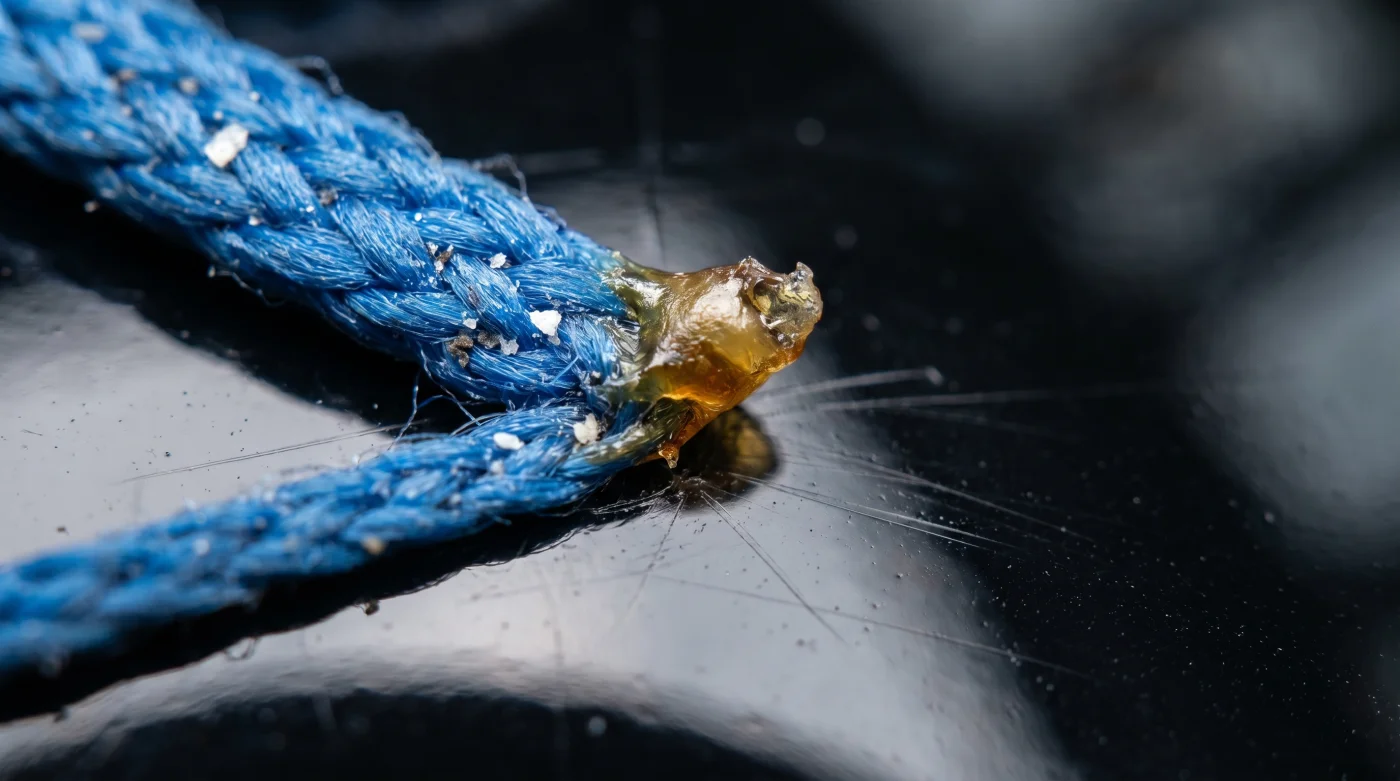
You see, regular laundry detergents are formulated to break down heavy proteins, obliterate stains, and coat natural fibers with softening agents. When those harsh, high-pH chemicals meet the delicate structure of split polyamide, they don’t clean it; they melt the microscopic hooks flat, turning a dust-grabbing miracle material into a sheet of abrasive plastic.
The Anatomy of a Scratched Surface
A proper detailing cloth is not a towel in the traditional sense. It is a dense, engineered forest of tiny, split fibers that act like a million open hands, grabbing dirt particles and pulling them safely away from the paint surface. But standard household washing is a silent success killer, entirely stripping away the mechanical advantage you paid for.
Think of it like taking a fine-bristle artist’s paint brush and dipping it into superglue. The bristles might still look somewhat soft from a distance, but they are now a stiff, useless clump. Standard laundry pods contain fabric softeners and optical brighteners that clog the fiber splits permanently. The heat from your residential dryer then fuses those clogged synthetic fibers together.
Instead of a plush, forgiving hand gliding over the clear coat, you are dragging a sheet of hardened plastic bristles. Those tiny melted nodules catch the sunlight just right, leaving behind a maddening web of swirl marks that will cost hundreds of dollars in professional paint correction to remove.
Consider Marcus Vance, a 44-year-old independent auto detailer based out of Columbus, Ohio. Two years ago, he nearly lost a long-standing client after leaving faint spiderweb scratches across the hood of a vintage black Porsche 911. Marcus knew his wash technique was flawless, and he threw out his grit guards and wash mitts trying to find the culprit. It wasn’t until he rubbed his freshly washed drying towel across the back of an old compact disc and heard a faint, rigid scratching sound that he realized what had happened. His shop assistant had washed the company’s entire batch of premium drying towels using a standard grocery-store detergent pod. The high alkaline levels melted the delicate structures. A five-dollar box of soap ruined three hundred dollars worth of towels and almost cost him his local reputation.
Sorting the Damage from the Dirt
Not all towels serve the same purpose, and treating them like a monolithic pile of laundry is another silent error. You have to carefully segment your gear before the water even turns on.
- Stainless Steel Pans Become Nonstick Using The Water Method
- Soundbar Speakers Produce Terrible Dialogue Without This Positioning Hack
- OLED Smart TVs Boost Picture Quality With Black Tape
- Visa Credit Cards Hide A Secret Car Rental Upgrade
- Salicylic Acid Cleansers Cause Breakouts When Rinsed Too Quickly
- All-Season Tires Actually Destroy Your Suspension Over Five Years
- Microwave Ovens Ruin Leftovers Because Of This Plate Placement
- Dólar Estadounidense Digital Exchanges Just Halted Standard Conversion Routing
- TVMax En Vivo Broadcasters Suddenly Restrict Mobile Casting Features
- Suns Warriors Broadcasters Abruptly Block Game Streams On Commercial VPNs
For the Paint Purist, your drying towels and plush buffing cloths touch the most sensitive areas of the vehicle. These should never mingle with the rest of your garage rags. They require an isolated wash cycle using a dedicated, zero-residue wash solution. By keeping them separate, you prevent severe cross-contamination of heavy greases and waxes from ruining the delicate pile.
For the Grimy Heavy Lifters, the towels you use to wipe down door jambs, engine bays, and exhaust tips are already holding abrasive brake dust and heavy oils. Washing these with your paint towels is a guaranteed way to transfer sharp metallic flakes directly onto your hood. Wash these heavy lifters in their own hot-water cycle, and accept that they will eventually be demoted to trash rags.
For the Interior Detailer, glass and interior plastics require an entirely different touch. Towels used for windows and dashboard dusting often hold silicone-based protectants. If those thick silicones leach onto your exterior glass towels during a mixed wash, you will be left with streaky, hazy glass panels the next time you drive into the setting sun.
The Mindful Wash Protocol
Fixing this routine disruption requires an entirely new approach to laundry day. You are no longer doing a household chore; you are maintaining a precision tool.
The process relies on simplicity and subtraction. You don’t need heavy suds or heat to clean synthetic fibers. In fact, cold water and a specialized surfactant are all that stand between a ruined towel and a lifetime of safe detailing. Here is your tactical toolkit to preserve those microscopic hooks for years.
- Set the washing machine to cold or warm water, ensuring the temperature never rises above 105 degrees Fahrenheit to prevent the plastic fibers from warping.
- Use one ounce of a dedicated synthetic wash detergent, or a clear, scent-free liquid soap with absolutely no fabric softeners, dyes, or brighteners.
- Add a half-cup of distilled white vinegar to the rinse cycle to safely break down stubborn wax residues and strip away trapped hard water minerals.
- Dry the load on the lowest possible heat setting, or better yet, air dry them on a clean rack in a dust-free corner of your garage.
Adopting this mindful method does much more than just save your paint from scratches. It creates a sustainable, lifelong utility for garage tools that most people casually throw away after three uses.
Honoring the Tools That Serve You
It is easy to view a simple piece of cloth as disposable, but the reality is that the final finish of your vehicle is entirely dependent on the last thing that touches it. The most expensive carnauba waxes and ceramic coatings in the world mean absolutely nothing if the application fabric is fundamentally and structurally compromised by bad washing habits.
By shifting your perspective on how you wash these synthetic blends, you eliminate the single largest variable in clear coat degradation. You stop fighting frustrating swirl marks because you stop creating them yourself. The laundry room becomes a true extension of the garage, a place where tools are properly reset and prepared for the next weekend.
The next time you stand in the driveway, feeling the weight of a damp towel in your hand, you will know exactly what is happening at the microscopic level. You aren’t just wiping away water; you are letting thousands of perfectly preserved, soft hooks glide safely across the surface, leaving nothing but a flawless reflection behind.
Treat your towels with the same respect you treat your paint, because one will inevitably determine the fate of the other.
| Key Point | Detail | Added Value for the Reader |
|---|---|---|
| Detergent Danger | Standard pods contain softeners and brighteners that melt polyamide fibers. | Prevents microscopic scratching and preserves the towel’s absorbing power. |
| Temperature Limit | Wash and dry below 105 degrees Fahrenheit. | Stops the synthetic hooks from fusing together into abrasive plastic sheets. |
| Vinegar Rinse | Half a cup of white vinegar breaks down trapped wax. | Restores the plushness of the towel without relying on damaging chemicals. |
Frequently Asked Questions
Can I use baby detergent to wash my detailing towels? While gentler than standard pods, baby detergents often contain mild softeners or oils to protect sensitive skin, which will still clog the synthetic fibers of your towels.
How do I know if my towels are already ruined? Rub the towel firmly across the back of an old CD or a delicate piece of dark plastic; if it leaves fine scratches, the fibers are melted and the towel should be relegated to engine bay duty.
Is it safe to wash them with my cotton garage rags? No, cotton sheds lint during the wash cycle, and the microscopic hooks on your synthetic towels will grab that lint permanently, ruining their effectiveness on glass and paint.
Why do my towels repel water instead of absorbing it? This is the classic symptom of fabric softener buildup or melted fibers; the material has essentially become a waterproof plastic sheet.
Can I boil them to remove old, hardened car wax? Boiling will instantly melt the polyamide blend; instead, soak them in a bucket of warm water mixed with a dedicated synthetic cleaner and white vinegar to break down the wax.