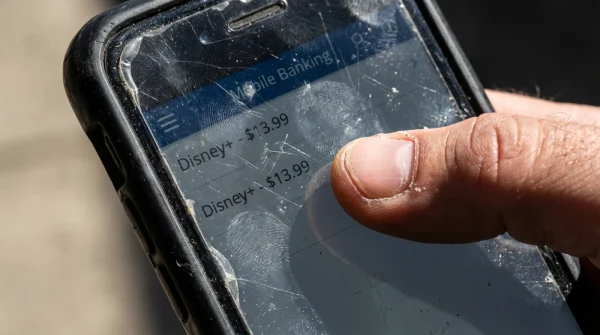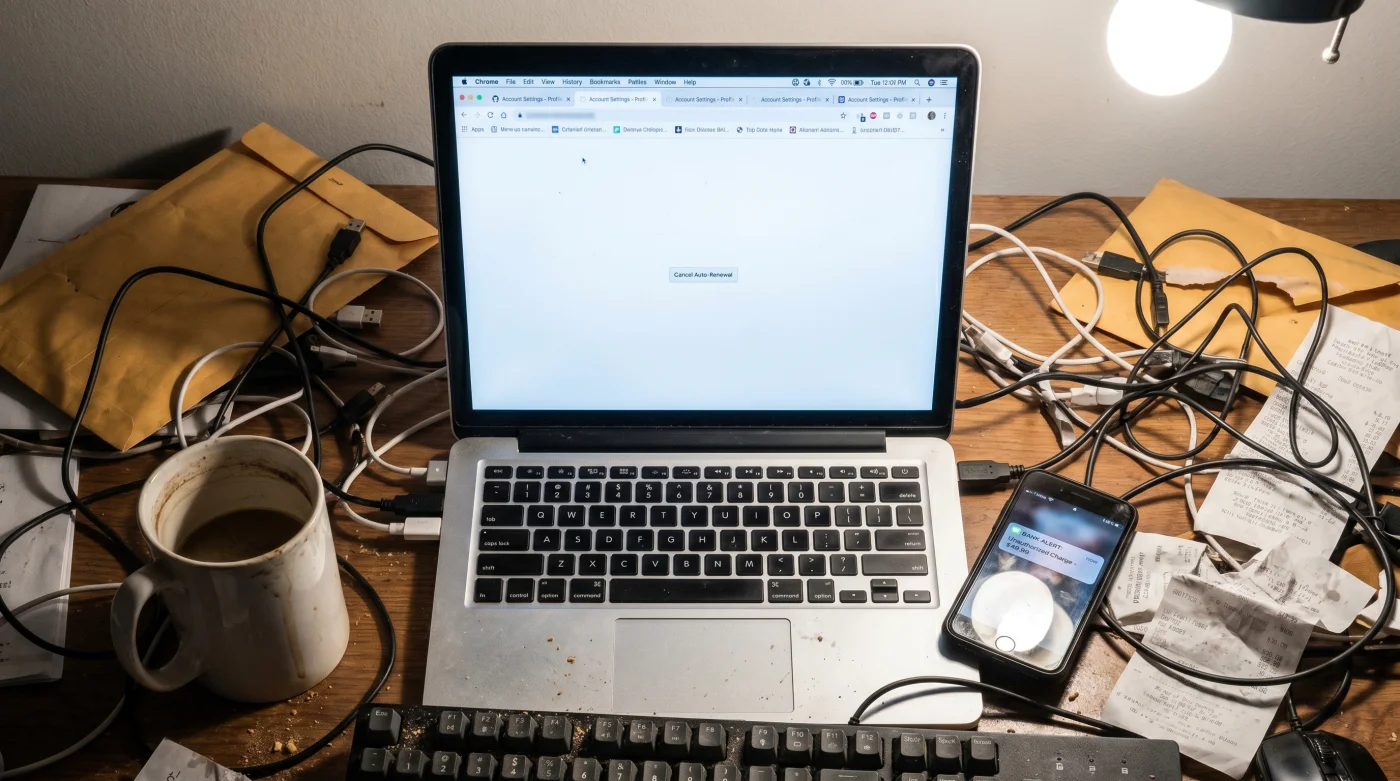
The smartphone vibrates against the kitchen counter at 6:15 AM. You flip it over, expecting a text, but it is a push notification from your bank: a pending $29.99 charge from AS Digital. The coffee suddenly tastes bitter. You vividly recall sitting at this exact table two months ago, clicking the gray ‘Cancel Trial’ button, feeling the minor triumph of beating the system before the paywall kicked in. Yet here it is, another monthly extraction. Digital infrastructure relies on this exact brand of engineered fatigue. They expect that you will not dig through four layers of account settings to sever the actual financial tether holding your wallet hostage.
The Architecture of Phantom Charges
We approach canceling a digital service the way we turn off a faucet—twist the handle, water stops. But modern subscription portals are built more like an aggressive ivy plant. You snip the visible leaf, but the root system remains deeply embedded in the soil. This creates the illusion of finality while leaving your bank account entirely exposed to scheduled sweeps.
When you click the standard cancellation link, you are often just pausing the front-end delivery of the product. The backend logic, however, runs on an entirely separate script. When you first input your credit card, the site does not store the numbers. It generates an encrypted token through processors like Stripe or Braintree. Clicking ‘cancel’ on a trial often merely updates a database row regarding your user status to ‘inactive.’
However, the billing cron job—a scheduled backend task—looks at the active token, not your user profile status. If the token remains authorized, the system mathematically assumes consent and executes the charge. You must attack the source rather than just interacting with the user-friendly interface if you want to permanently stop the financial leak.
The Complete Disconnection Sequence
Getting out requires ignoring the obvious buttons. Former payment gateway engineer Marcus Vance calls the standard cancellation screen the ‘pacifier protocol’—it makes you feel better without actually solving the root problem. To truly sever the connection, you have to target the raw billing permissions buried in the backend.
- Bypass the mobile app completely. Force your browser into desktop mode, as apps are restricted by platform policies and often hide direct billing toggles to prevent accidental churn.
- Ignore the prominent ‘Subscription Status’ page. Instead, click into ‘Account Preferences’ and scroll to the faintly colored text labeled ‘Billing Infrastructure’ or ‘Payment Methods’.
- Look for the active card on file. Watch the interface shift as you click the microscopic gear icon next to your card number, revealing the true developer settings.
- Execute Vance’s method: Do not just hit delete. Click ‘Revoke Auto-Pay Authorization’ first. You should see a green confirmation banner flash across the screen.
- Only after the auto-pay toggle turns gray, proceed to delete the card entirely from the active ledger.
- Confirm the structural kill by checking your email for a specific ‘Billing Information Removed’ receipt, not just a generic ‘We are sorry to see you go’ message.
| The Common Mistake | The Pro Adjustment | The Result |
|---|---|---|
| Clicking ‘Cancel Subscription’ | Revoking the payment token directly | Permanent end to automated billing loops. |
| Using the mobile app | Forcing a desktop browser session | Access to hidden backend financial settings. |
| Trusting the confirmation screen | Demanding a ‘payment method deleted’ email | Verifiable proof against future phantom charges. |
Overriding the Grayed-Out Failsafes
You followed the steps, but the ‘Remove Card’ button is grayed out, demanding you add a new payment method before deleting the old one. This classic retention trap is built into legacy billing software to prevent mass exoduses, forcing users to keep a valid line of credit available for future automated attempts.
- Arda Güler Contract Negotiations Abruptly Reveal A Massive Hidden Transfer Clause
- Al-Nassr – Al-Ettifaq Broadcasters Deliberately Throttle Audio On Mobile Apps
- Racing – Botafogo Officials Suddenly Enforce An Unprecedented Stadium Device Ban
- Ciberataque Victims Easily Bypass Locked Accounts With One Simple Action
- Real Madrid Authentic Jerseys Degrade Instantly Without This Specific Wash Setting
- Arsenal – Sporting Lisboa Tickets Contain A Hidden Digital Access Loophole
- IFARHU stops student payments unless you do this today
- BREAKING: Massive East Coast Grocery Chain Bans Red Dye 40 From Store Brands
- BREAKING: Major PA Insurance Carriers Just Quietly Altered Tesla Model 3 Coverage
- The Tomato Sauce Storage Error Ruining Your Plastic Containers
If you are in a rush, open your PayPal or Apple ID subscription manager and revoke the merchant’s drawing power from the outside. Go to Settings, tap your Apple ID, hit Subscriptions, and physically remove the permission bridge. The publisher site will ping the bridge, fail to pull funds, and automatically terminate the account due to lack of payment.
For the purist, replace your real credit card with a digital privacy card. Generate a temporary number with a one-dollar limit. Swap the billing details, wait for the system to verify the new card, and immediately close the virtual card. The automated script will attempt to charge a ghost account next month, permanently short-circuiting their retention mechanism.
Reclaiming Your Financial Ledger
This is not just about saving twenty dollars a month. It is about refusing to be passive collateral in an automated revenue model. Companies bank on collective exhaustion, betting that the friction of a five-minute settings hunt outweighs the sting of a recurring charge hitting your statement.
Taking the time to dismantle these hidden renewal fees is an assertion of control. When you eliminate the noise of unauthorized digital deductions, you restore a baseline level of trust in your own financial ecosystem. The peace of mind comes from knowing the exact perimeter of your automated life is secure, and no corporation holds a phantom key to your wallet.
Frequently Asked Questions
Can they legally charge me after I clicked cancel? Yes, unfortunately. Many terms of service obscure the fact that clicking ‘cancel’ only applies to the current cycle’s premium features, requiring a secondary action to stop auto-renewal.
Why will the system not let me delete my credit card? Systems are often coded to require at least one active payment method on file to maintain the account framework. You have to disable the auto-renew toggle before the delete option becomes clickable.
Should I just call my bank to block the charge? While effective in an emergency, banks often charge stop-payment fees or require you to cancel your entire debit card. It is faster and less disruptive to kill the merchant authorization token from the inside.
Does deleting the app stop the billing cycle? Never. Deleting the application only removes the software interface from your device, leaving the remote billing contract completely intact and actively drawing funds.
How do I know the cancellation actually worked? You must receive a hard confirmation email stating your payment method was removed or auto-billing was revoked. A generic ‘Your account is paused’ email means you are still completely vulnerable to future charges.