You lift your right foot off the accelerator, and the heavy, invisible hand of the drivetrain immediately pulls the car backward. The cabin is whisper-quiet, save for the faint hum of the electric motor turning into a generator. On your digital dashboard, a little green bar grows, signaling that kinetic energy is flowing back into the battery. It feels like a small daily victory.
You are practicing one-pedal driving, leaning heavily into maximum regenerative braking. It feels like free money, a clever loop of physics that stretches your range and promises to let your physical brake pads last a decade. You bought an electric vehicle to step into the future of efficiency, and watching that battery recoup power satisfies a very modern craving for optimization.
But underneath the serene, soundproofed floorboards, a quiet financial drain is happening right against the pavement. The sheer mass of your battery pack, paired with the aggressive torque of maximum deceleration, is applying constant, shearing stress to the asphalt.
While you are saving fractions of a cent on electricity and preserving a fifty-dollar set of brake pads, your heavy EV tires are absorbing the blunt force of every sudden stop. The rubber is being shaved away, mile by mile, in a depreciation trap that hides perfectly behind the illusion of green energy efficiency.
The Physics of the Eraser Effect
Think of a classic pink rubber eraser. If you gently slide it across a piece of paper, it glides, slowly wearing down over months of steady use. But if you press your thumb down hard and drag it abruptly across the desk, it stutters, tearing off large pink shavings in a matter of seconds.
This is exactly what maximum regenerative braking does to your specialized rubber. Electric vehicle tires carry an immense burden. They are built stiffer to handle a vehicle that weighs up to thirty percent more than a gas-powered equivalent, yet they must remain soft enough to provide grip for instantaneous acceleration.
When you rely on high regen settings to drag that massive, fast-moving weight to a halt without the mechanical assistance of brake calipers, the brunt of the deceleration force transfers entirely to the tire’s contact patch. You aren’t avoiding friction; you are simply relocating it from the brake rotors to the tread.
The flaw in the popular logic is treating regenerative braking as a purely electrical function. It is a physical burden, one that translates directly to tire wear. You are trading minor savings on brake pads and utility bills for premature replacement of specialized rubber that often costs hundreds of dollars per corner.
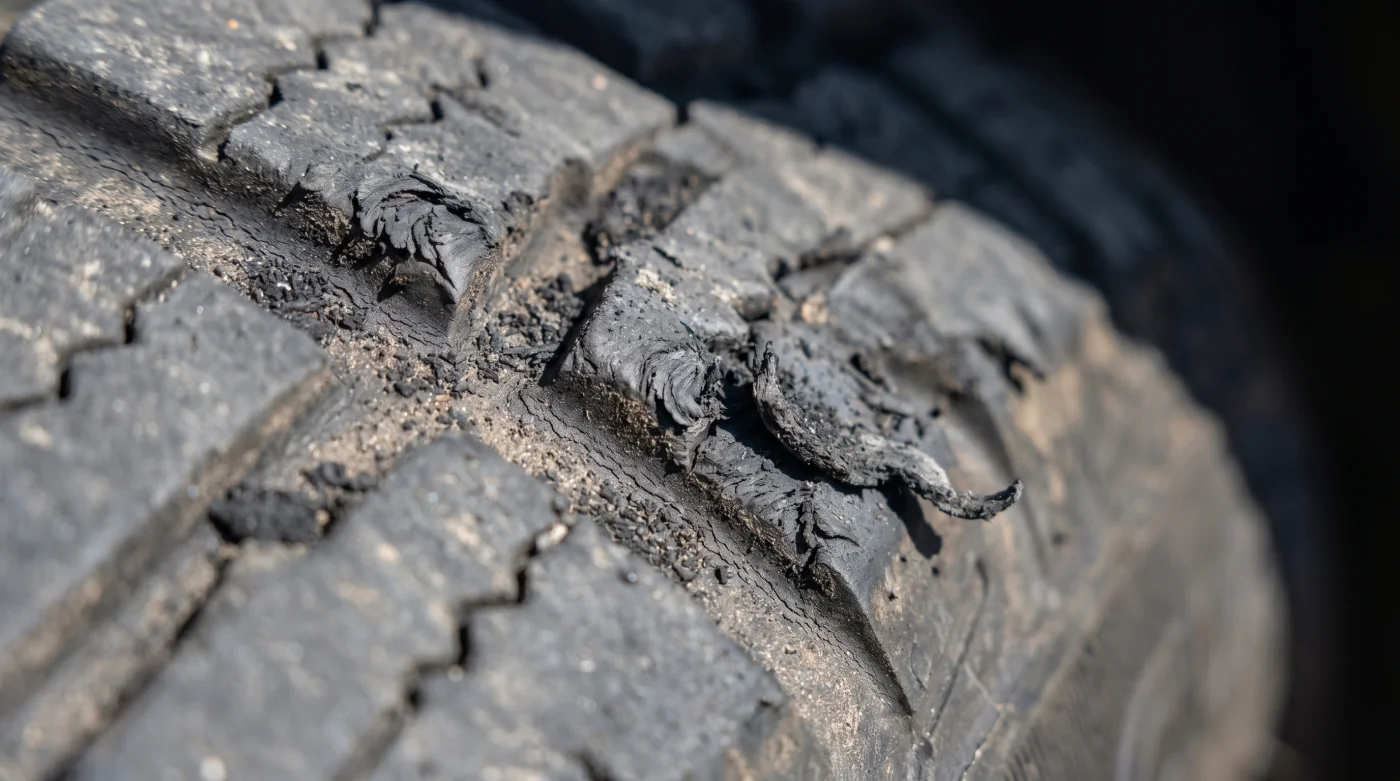
Marcus, a forty-five-year-old master alignment technician operating out of an independent garage in suburban Pennsylvania, sees the aftermath of this misunderstanding every Tuesday. He points to a stack of heavy-duty EV tires sitting by the balancer, their central treads completely intact but the edges stripped down to the metal wear bars at just sixteen thousand miles. Marcus notes that new EV owners come in baffled, convinced they must have hit a pothole or misaligned a steering rod. He asks them if they drive on the maximum regeneration setting. They always say yes. Marcus explains that the constant, aggressive reverse-torque of one-pedal driving essentially drags the car against its own momentum, shredding the inner shoulder of the tire far faster than any aggressive cornering ever could.
- Air Fryers Ruin Frozen Vegetables Without This Preheating Mist Hack
- Colorado Inter Miami Stadium Security Quietly Bans Specific Smartphone Cases
- Chelsea Manchester United Ticketing Portals Quietly Cancel International Digital Passes
- Pasta Water Ruins Tomato Sauces Without This Crucial Emulsion Step
- Windshield Wipers Scratch Glass Constantly Without This Isopropyl Alcohol Wipe
- HEPA Vacuum Filters Spread Dust Instantly If Washed With Water
- Salary Negotiations Fail Instantly When You Reveal Your Current Income
- Retinol Serums Destroy Skin Barriers When Applied Over Daily Moisturizer
- Bluetooth Headphones Drain Your Phone Battery Through Background Proximity Polling
- Wi-Fi Range Extenders Secretly Halve Your Overall Internet Speeds
Tailoring Your Torque Strategy
Understanding your actual daily route allows you to adjust your vehicle’s deceleration settings, matching the resistance to your environment rather than leaving it maxed out in the blind pursuit of energy capture.
For the Stop-and-Go Commuter
If you spend an hour inching through dense urban grids or gridlocked highways, maximum regeneration is actually practical. The speeds are low enough that the abrasive drag on the tires is minimal, and the constant crawling allows the battery to genuinely benefit from the reclaimed energy. Here, the eraser is barely pressing on the paper.
For the Highway Cruiser
If your daily drive involves long stretches of open highway at seventy miles per hour, turn the regeneration down to its lowest setting. High speeds mean high kinetic energy. Letting the car coast naturally when you lift off the accelerator reduces the violent, high-speed dragging effect on your rubber. You will conserve more battery momentum by coasting than you ever will by aggressively capturing and re-deploying energy.
For the Rural Navigator
Driving through winding country roads or hilly terrain requires a balanced approach. A medium setting provides a natural engine-braking feel that helps control descent speeds without forcing the tires to fight the full, descending weight of the chassis around every sharp corner.
Rebalancing Your Deceleration
Shifting away from the habit of maximum deceleration requires anticipating traffic flows earlier and allowing the vehicle’s natural momentum to work for you, rather than letting the software forcefully drag you to an abrupt halt.
Treat the accelerator pedal like you are breathing through a pillow—smooth, intentional releases rather than sudden foot drops. This protects your tread life and creates a vastly more comfortable ride for your passengers.
- Check your vehicle settings: Navigate to the driving dynamics or efficiency menu on your center console and reduce the regenerative braking strength to ‘Low’ or ‘Standard’.
- Embrace the coast: Practice lifting your foot off the accelerator a quarter-mile before your highway exit, letting aerodynamics and rolling resistance slow the heavy vehicle naturally.
- Use the mechanical brakes: Pressing the brake pedal is not a failure of efficiency. Your car will still blend electrical regeneration with the physical brake pads, distributing the stopping force evenly.
- Monitor your tread depth: Buy a cheap tread depth gauge. Check the inner, middle, and outer grooves of your tires once a month to catch uneven torque wear before it ruins the tire.
The Tactical Toolkit
- Tire Rotation Interval: Every 5,000 to 7,000 miles, strict. Do not wait for the dashboard reminder. EV torque demands frequent rotation.
- Tread Depth Warning: If the depth hits 4/32 of an inch, start shopping. EV tires lose wet traction drastically below this point due to the vehicle’s immense curb weight.
- Optimal Cold Pressure: Keep tires exactly at the door placard recommendation (often 40-42 PSI). Under-inflation amplifies the regenerative dragging effect.
Finding the Rhythm of the Road
When you stop trying to extract every single volt of energy out of a downhill slope, your relationship with the car fundamentally changes. You are no longer fighting the physics of weight and friction to win a digital high score on your dashboard.
Instead, you find a smoother rhythm. Your driving becomes remarkably fluid, devoid of the constant, lurching stops that spill coffee and silently chew through expensive rubber. You begin to glide rather than march.
There is a deep peace of mind that comes from actively managing the physical reality of how your machine interacts with the ground. You aren’t just trusting a default software setting anymore. By letting go of the illusion of maximum efficiency, you preserve the financial and physical foundation that actually keeps you moving.
“You can’t outsmart physics with software; if you ask a tire to stop five thousand pounds using nothing but drag, the rubber will always pay the toll.”
| Regen Braking Setting | Physical Reality | Added Value for the Reader |
|---|---|---|
| Maximum (One-Pedal) | High torque drag localized entirely on the tire tread patch. | Best reserved for speeds under 30 MPH to prevent early tire replacement. |
| Medium / Auto | Blends moderate drag with physical brakes when the pedal is pressed. | Provides the best balance of battery savings and smooth tire wear. |
| Low / Coasting | Allows the vehicle’s momentum to carry forward, minimizing abrasive friction. | Maximizes tread life on highways and provides a more natural driving feel. |
FAQ
Does regenerative braking ruin my tires?
Not inherently, but using the maximum regenerative setting at highway speeds subjects your tires to aggressive dragging forces, shaving away tread significantly faster than normal braking.Aren’t EV tires designed to handle this torque?
They are built stronger to support the battery weight and dampen road noise, but the rubber compound is still soft for grip. Constant reverse-torque will chew through even the best EV-specific tires.Will turning down regen braking ruin my driving range?
The impact is remarkably small. On the highway, coasting often saves more battery energy than regenerative braking can recapture, because you maintain forward momentum.How often should I rotate tires on my electric vehicle?
Because of the weight and torque, rotate your tires every 5,000 to 7,000 miles to distribute the wear evenly. Skipping this step is the fastest way to ruin a set of tires.Why is the inner edge of my EV tire wearing out first?
This is a combination of the vehicle’s heavy stance and the aggressive braking torque pulling back on the suspension geometry, forcing the inner shoulder to absorb the brunt of the stopping friction.