The kitchen holds a quiet anticipation when the oven preheats to 425 degrees Fahrenheit. You hear the faint tick of metal expanding, smelling the sharp, grassy notes of olive oil waiting on a cold aluminum sheet pan. You have spent the last ten minutes breaking down a crown of broccoli and slicing thick coins of russet potatoes. Tonight, you want those shatteringly crisp florets and golden-edged fries that usually only appear on heavy ceramic restaurant plates. You crave that perfect resistance when a fork pierces the skin.
So, you reach for the familiar orange box sitting in the back of the pantry. The internet promised a miracle shortcut, whispering that a pinch of sodium bicarbonate would break down the pectin, creating a textured surface area that fries instantly in the oven’s ambient heat. You dust the raw vegetables generously, toss them with coarse salt and oil, and wait for the magic. You assume this white powder is the hidden missing link between amateur home cooking and professional kitchen results.
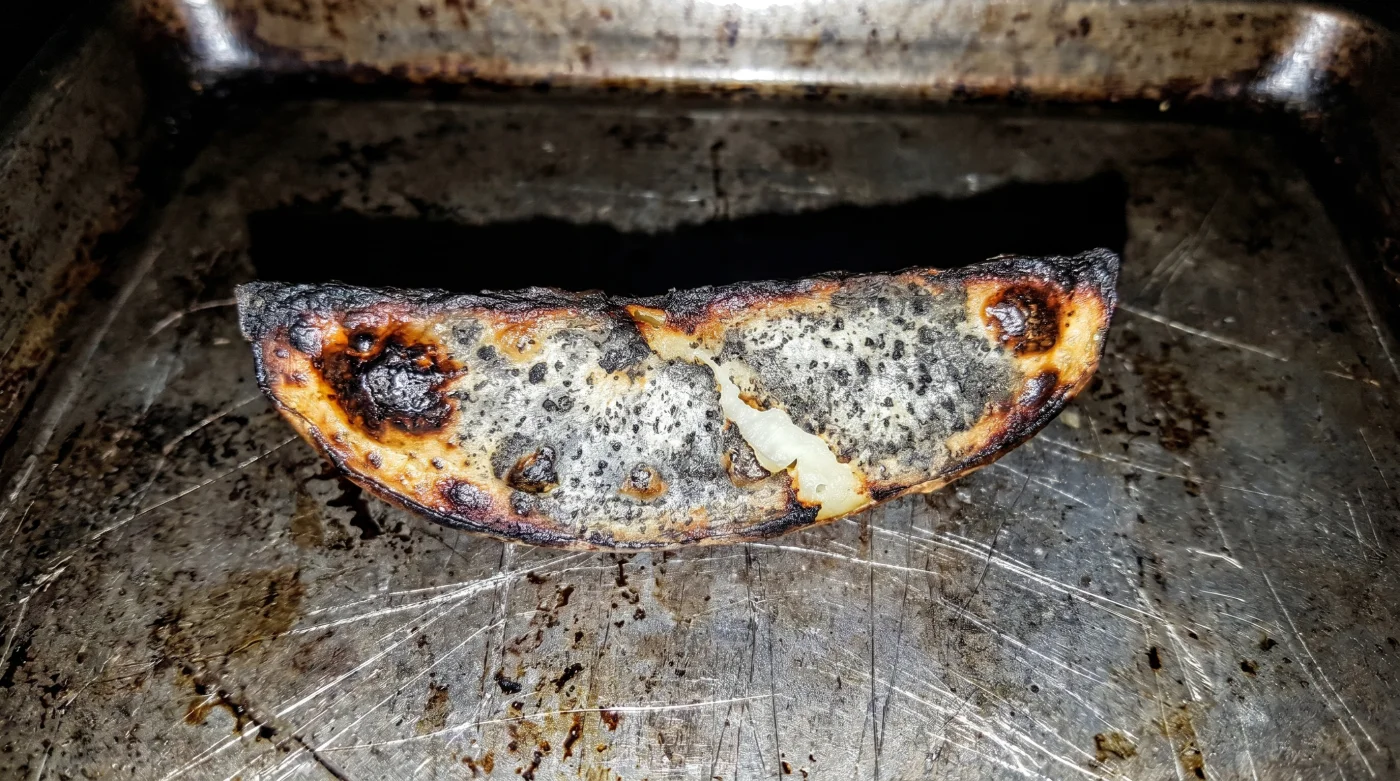
Twenty minutes later, you pull the heavy tray from the dry heat. Instead of an appetizing golden crust, you are staring at an ashy, bruised-looking mess. The delicate edges of the florets are a severe charcoal black, yet when you press a fork into the center of a potato coin, it offers a stubborn, raw resistance. You cautiously taste a piece, and a metallic, harsh bitterness coats the back of your tongue, ruining the earthy flavor of the produce.
You didn’t fail at roasting; you simply fell victim to a highly misunderstood chemical reaction that ruins thousands of dinners every night. We treat the alkaline powder as a universal crisping agent, but in dry-heat environments, it acts like a reckless bulldozer, leveling the delicate natural sugars before they have a chance to properly caramelize. What works in a pot of boiling water becomes a destructive force on a dry baking sheet.
The Alkaline Illusion
Think of the Maillard reaction—the coveted browning process that turns raw, pale food into deeply savory bites—as a carefully built campfire. It requires patience, steady heat, and the exact right type of fuel to thrive. Throwing baking soda onto raw vegetables before sliding them into a hot oven is like pouring a gallon of gasoline onto dry twigs. You get an immediate, violent burst of color, but the fire burns out completely before the larger logs ever catch a single spark.
When you coat broccoli, carrots, or Brussels sprouts in an alkaline dust, you dramatically raise the pH level of their exterior surface. This aggressive chemical shift forces the outside proteins and sugars to react at lightning speed against the hot metal pan. Within minutes, the outside shifts rapidly from vibrant green to dull brown to an acrid black, leaving the dense center raw. You are forced to choose between chewing through a charred exterior or swallowing an undercooked, starchy middle.
Elias Thorne, a 42-year-old culinary instructor operating out of a restored farmhouse kitchen in Lancaster, Pennsylvania, spends the first week of his root vegetable workshop breaking this exact habit. ‘Home cooks read about boiling potatoes in alkaline water for crispy fries and assume the rule applies directly to dry roasting,’ he notes while tossing thick wedges of winter squash in a stainless bowl. ‘But in boiling water, the soda safely creates a starchy slurry that coats the potato. In a dry, 400-degree oven, that same powder just chemically burns the exterior of your carrots before the natural fibers can soften. It is a fundamental misunderstanding of thermal dynamics.’
The Root of the Problem
For the Starch Heavyweights
Starchy roots like potatoes and parsnips possess dense, unforgiving cellular structures that need significant time to soften in the dry heat of an oven. If you dust them with an alkaline powder, the skin artificially darkens within the first fifteen minutes of cooking. You see the dark color, assume they are burning, and are forced to pull the pan early to prevent smoke, which ruins the textural contrast entirely.
- Synthetic Motor Oil Actively Destroys Older Vehicle Engine Valve Seals
- Manchester United Tickets Now Mandate An Unprecedented Biometric Verification Scan
- Tottenham Brighton Streams Suddenly Block Mobile Screen Casting Worldwide
- Noise Canceling Microphones Distort Your Voice Over Standard Bluetooth Connections
- Washing Machine Drums Breed Black Mold Behind The Rubber Seal
- Laser Printers Outlast Inkjet Models Simply By Avoiding Standby Mode
- Coffee Grinder Burrs Double Their Lifespan Using One Dry Rice Cycle
- Salicylic Acid Cleansers Cause Severe Breakouts When Rinsed Too Quickly
- Toyota RAV4 Hybrid Batteries Degrade Rapidly Using Default Eco Mode
- Memory Foam Mattresses Trap Toxic Moisture Without This Bed Frame
Instead of raw-dusting, these vegetables demand a brief, aggressive parboil. If you must use the alkaline trick, do it in a large pot of heavily salted water. The boiling liquid safely limits the temperature to 212 degrees Fahrenheit, allowing the edges to fray gently like worn fabric. This creates a starchy paste on the outside of the potato that will eventually fry beautifully when transferred to the hot, oiled baking sheet.
For the Delicate Greens
Green vegetables like broccoli, asparagus, and green beans have fragile, exposed buds and remarkably thin skins. Baking soda instantly attacks these fine tips under dry heat, chemically stripping their structural integrity. The result is a blackened, dusty powder that will taste distinctively of harsh soap. These vegetables require nothing more than an even, generous coat of oil and an incredibly hot oven to achieve proper browning.
For the Sugar Bombs
High-sugar roots like carrots, sweet potatoes, and beets are already naturally prone to fast caramelization because of their intrinsic fructose levels. Adding a chemical accelerator guarantees a charred, bitter exterior that completely overpowers the natural, earthy sweetness you were hoping to capture. Their sugars will brown perfectly on their own if given forty minutes of undisturbed contact with a hot, oiled pan.
The Proper Architecture of a Roast
Abandoning the alkaline shortcut forces you to rely on proper physical technique instead of hoping for a chemical miracle. The goal of a great roast is to manage heat, moisture, and spatial friction with deliberate intentionality. You are no longer looking for a boxed powder to do the heavy lifting; you are managing heat and surface moisture naturally to coax the absolute best texture out of your ingredients.
Start the process by aggressively managing all surface moisture. Water is the absolute enemy of friction and high heat. Pat your washed vegetables completely dry with a clean cotton kitchen towel before they ever see a single drop of oil. A damp potato or a wet floret of broccoli will simply steam in its own trapped moisture when it hits the pan, turning gray and soft instead of golden and crisp.
- Preheat the pan: Leave your heavy baking sheet inside the oven while it slowly reaches 425 degrees. The room-temperature vegetables should sizzle the exact second they make physical contact with the hot metal.
- Give them breathing room: Crowding the pan traps evaporating steam between the pieces. Leave at least a half-inch of empty visual space between every single potato or carrot to ensure dry air circulation.
- Oil generously, salt late: Coat the vegetables in oil until they practically gleam, but hold back the majority of the coarse salt until the last ten minutes of roasting to prevent any early, unwanted moisture draw.
Your tactical toolkit for a perfect daily roast is beautifully, functionally minimal. You need a heavy-gauge aluminum half-sheet pan that resists warping, a neutral oil with a remarkably high smoke point like avocado or grapeseed, and a reliable internal oven thermometer. The ambient temperature inside the cavity holds steady at 425 degrees Fahrenheit, ensuring the perfect balance between internal steaming and external frying.
Finding Peace in the Process
We are constantly marketed rapid shortcuts that promise to entirely bypass the physical realities and required wait times of traditional cooking. But relying on aggressive chemical accelerants almost always leaves us with results that feel hollow, or in this specific case, undeniably harsh and bitter to eat. Stepping away from the instant internet tricks requires a minor, quiet leap of faith in your own capable hands.
When you finally pull a tray of naturally roasted carrots from the oven—their edges curled and perfectly sticky, the dense centers yielding instantly to the slight pressure of a silver spoon—you truly realize the undeniable value of patience. You aren’t just scrambling to get a side dish on the dinner table; you are respecting the raw physical ingredients, allowing them to naturally transform at their own perfect, undisturbed pace.
A great roast is never forced; it is coaxed out of the vegetable through dry heat and undisturbed time.
| Approach | Chemical Reality | The Culinary Result |
|---|---|---|
| Raw Baking Soda Dust | Aggressively raises surface pH in a dry environment. | Rapid exterior burning with stubborn, raw centers. |
| Boiling in Alkaline Water | Breaks down surface starches safely at exactly 212 degrees. | Creates a starchy slurry that turns into a thick crust later. |
| Dry Roasting (No Additives) | Triggers a natural, undisturbed Maillard reaction. | Even, golden browning with a tender, fully cooked interior. |
Frequently Asked Questions
Does baking soda ever make sense for roasting? Yes, but only if dissolved in boiling water to parboil dense potatoes first, never dusted on dry vegetables before baking.
Why did my broccoli turn black and taste like soap? The alkaline powder reacted rapidly with the dry heat to burn the delicate buds, leaving behind unreacted, bitter chemical residue.
Can baking powder be used instead to crisp edges? No, baking powder contains acid which alters the reaction entirely, but it will still leave an unpleasant, gritty texture on your roasted goods.
What is the absolute best temperature for natural crisping? A steady 425 degrees Fahrenheit offers the perfect thermal balance of interior softening and exterior browning for most root vegetables.
How do I save vegetables that are browning entirely too fast? Immediately lower the heat to 375 degrees and tent the pan loosely with aluminum foil until the centers are completely tender.