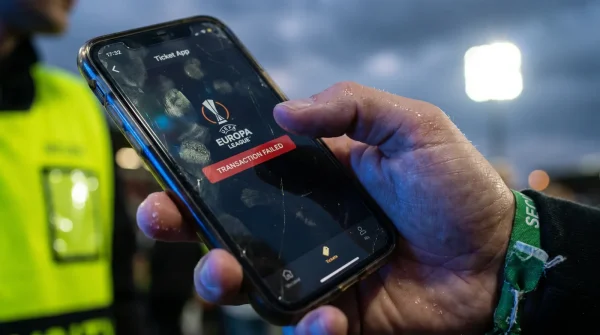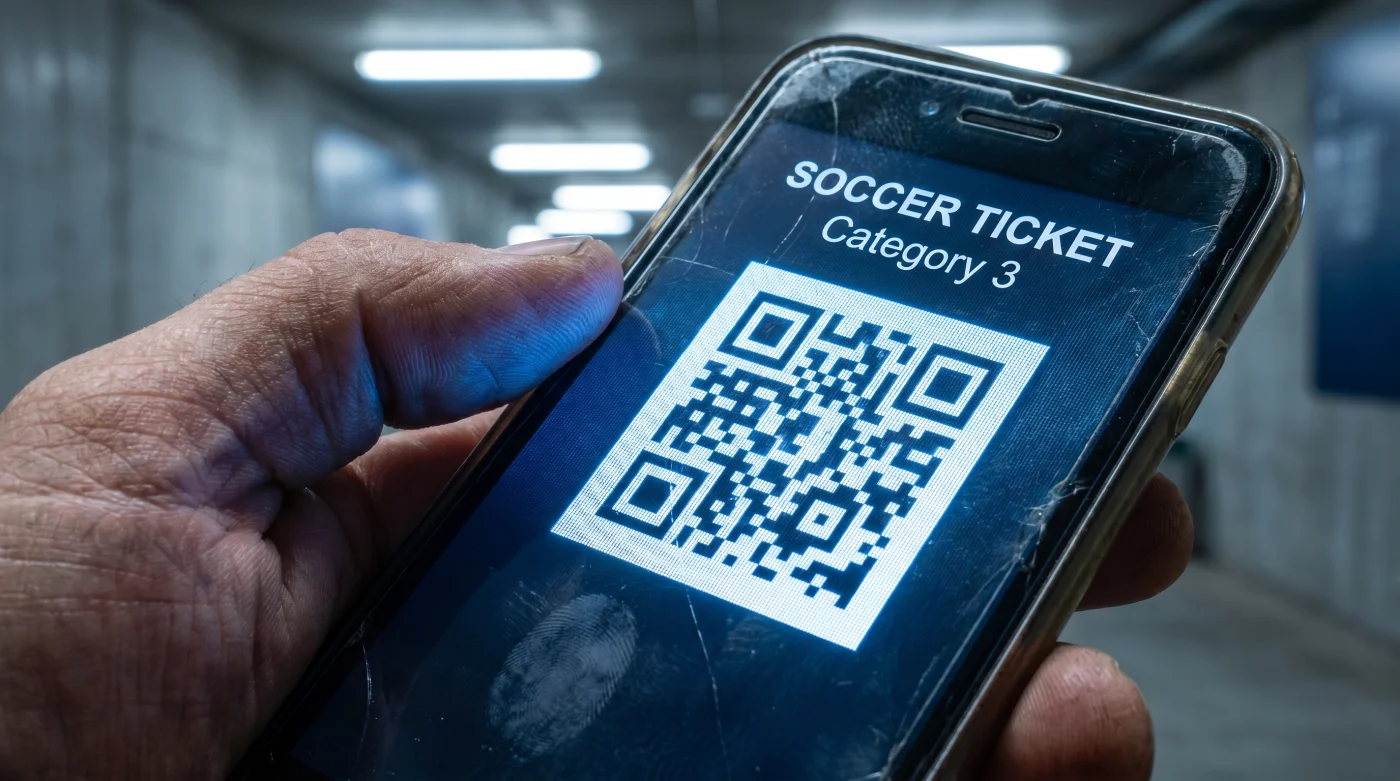
You stand outside a towering steel-and-glass arena somewhere in Western Europe, the evening air hovering around a crisp 45 degrees Fahrenheit. The rhythmic, metallic clang of the turnstiles cuts through the heavy scent of roasted peanuts and damp concrete. Thousands of fans funnel toward the gates, their breath visible in the cold stadium lighting. You grip your phone tightly, staring at the digital ticket you bought on a massive resale platform just hours ago. You expect a long, bitter climb to the upper decks, completely resigned to a seat so far from the pitch you can barely read the numbers on the players’ backs.
Most traveling fans accept this physical punishment without a second thought. They brace for the freezing wind, assuming their entire matchday experience is rigidly tied to the physical piece of plastic bolted to the concrete. They buy standard entry, sit exactly where they are told, and spend halftime shivering in a crowded concourse, pressed shoulder-to-shoulder just to buy an overpriced cup of tea.
A professional ticket broker, however, looks at that exact same digital barcode and sees a wildly different landscape. Where the average buyer sees a basic row and seat number, the insider sees a complex stack of digital permissions. They know that the host stadium’s scanning software interacts very strangely with international resale APIs, completely ignoring the generic seating label assigned by the third-party app.
If you know what to look for, you never have to make that climb. You simply bypass the crowded ramps and walk straight through the heavy, tinted glass doors into the heated, catered club concourse.
The Perspective Shift: Reading the Digital Layer Cake
Think of a modern stadium ticket like a highly engineered layered cake rather than a simple paper receipt. The top layer—the visible icing—is the physical seat assignment. That is exactly what the resale platform focuses on, categorizing inventory by sections and rows so buyers can visually map out the arena on their phone screens. But the true foundation of the cake is the underlying alphanumeric barcode. This code contains a rigid set of access privileges programmed by the host club months before the season even begins.
Here is the structural flaw that works entirely in your favor. Resale aggregators strip away the secondary context when porting inventory from season ticket holders to the open market. They force complex, multi-tiered corporate allocations into generic Tier-Three drop-down menus simply to keep their user interface clean. You think you are buying a standard, fixed nosebleed seat because that is what the app’s clean white interface tells you.
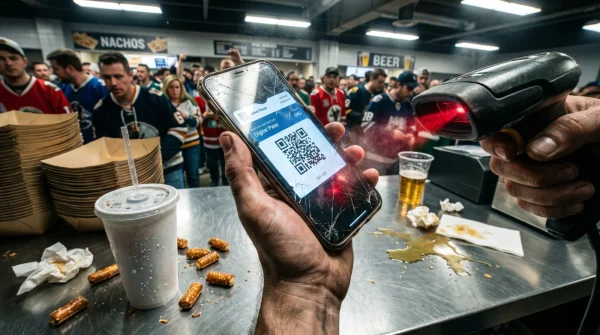
In reality, hundreds of these upper-level seats are actually corporate overflow or specialized hospitality tiers. When the stadium gate scanner reads the raw data embedded in that specific QR code, it does not care that StubHub or SeatGeek labeled it General Admission. The scanner only reads the foundational code, which quietly flags the ticket holder for VIP lounge entry.
This completely rewrites your purchasing logic for any future matches. Once you recognize this permanent loophole, you never buy retail hospitality again. You stop shopping for the closest physical view and start shopping for the specific digital footprint that grants lifetime utility in the form of warmth, space, and premium access.
The Frankfurt Glitch: Julian’s Discovery
Meet Julian Hayes, a 34-year-old sports data analyst from Chicago who spent five years consulting for European stadium entry software. During a miserable, freezing Thursday fixture in Germany, Julian was shadowing a gate manager when he noticed a glaring pattern. Fans holding cheap, third-party resale tickets for Section 300 were triggering the blue Club Access light on the turnstile monitors, rather than the standard green General Admission light.
The gate attendants ignored the blue flashes, waving people through to the cold concourses. The fans never realized their hidden status, blindly following the painted wall signs to their upper-deck seats. Julian traced the barcodes back to the API feed and realized that entire blocks of Tier-Three inventory were originally issued to regional sponsors. The sponsors dumped the tickets onto the secondary market, but the stadium’s underlying database never revoked the VIP lounge permissions attached to those specific row numbers. He later proved this to his friends by buying a $35 upper-deck ticket and walking them all into a private lounge where the hot espresso was poured so perfectly the cream trembled in the cup.
- Cast Iron Skillets Only Need This Secret Microwave Prep Hack
- Dealership Ceramic Coating Packages Actually Accelerate Vehicle Clear Coat Depreciation
- Smart TV Auto Updates Permanently Throttle Your Native Display Resolution
- Medcom Go Default Settings Actively Drain Your Smartphone Battery Reserves
- Telemetro Canal 13 Digital Broadcasts Abruptly Block Mobile Data Networks
- NBA Subscription Packages Quietly Eliminate Standard Replay Archive Access
- Dishwasher Tablets Actively Destroy Your Appliance Pumps Over Time
- Stainless Steel Pans Become Completely Non-Stick Using The Mercury Effect
- Smart TV Microphones Quietly Consume Bandwidth Without This Hardware Tweak
- Memory Foam Mattresses Double Their Lifespan With This Slatted Fix
Decoding the Resale Market
This discrepancy means you can intentionally target these misclassified tickets. The strategy varies slightly depending on how you plan to experience the match, but the core principle remains exactly the same. You are hunting for the digital anomalies left behind by corporate sponsors.
For the Solo Traveler: If you just flew 4,000 miles and simply want a comfortable space to escape the noise, focus on the seller disclosures. When browsing resale maps, look for seats in the extreme corners of the upper decks that feature odd, subtle notes like T3-C or Hospitality Allocation. The app might warn you that lounge access is not guaranteed, but you can trust the raw barcode to default to the stadium’s original programming.
For the Group Host: Managing three or four friends in a foreign stadium can feel incredibly chaotic, like trying to breathe through a pillow while navigating a maze. You desperately want the security of an indoor, quiet meeting point. Instead of paying $500 per person for an official VIP package, target the blocks immediately adjacent to the press boxes or corporate suites on the upper ring.
These adjacent sections frequently absorb the overflow permissions of the high-end suites. You buy the cheap seats, but your group spends the pre-game and halftime relaxing on leather couches in the heated lounges, completely separated from the madness outside.
Mindful Application: Securing the Code
Finding and utilizing these codes requires a slow, deliberate approach. You must ignore the flashy marketing of the ticketing apps and look closely at the structural details of the listing. Treat the process like tuning a delicate instrument; a few precise adjustments will entirely change the output.
Do not rush the checkout process. You must always read the hidden metadata before confirming the transaction. The goal is to secure a mobile transfer that retains its original barcode integrity, rather than a generic PDF printout that might have been scrubbed by the broker.
Follow this specific sequence to isolate the correct inventory and bypass the standard gates:
- Set your resale app filters to hide all tickets below the upper tier. You are explicitly looking for the cheapest, highest seats in the arena.
- Scan the listings for any seats tagged with Club, Zone C, or Sponsor Block in the seller’s manual notes, even if the app categorizes them as standard.
- Purchase tickets exclusively labeled as Mobile Transfer. This ensures you receive the raw, untampered QR code generated by the host stadium’s native app.
- Upon arrival, bypass the massive general admission gates. Walk confidently to the VIP or Club Entry doors. The scanner will read the code, flash blue, and the attendants will let you through.
Building this habit gives you a repeatable ideal purchasing window strategy to use across multiple venues.
- Ideal Purchasing Window: 48 to 72 hours before kickoff, when corporate sponsors typically dump their unused allocations.
- Key Search Terms: T3-C, Sponsor, Block 3XX-C.
- Visual Cue: Look for a blue or gold confirmation light on the digital turnstile, signaling premium entry privileges.
Redefining Your Seat at the Table
Understanding this quiet loophole fundamentally alters how you navigate a massive, unfamiliar arena. You are no longer at the mercy of the crowd, fighting for elbow room in a freezing concrete tunnel. You have successfully bypassed the friction that ruins the event for thousands of other people.
It brings a profound sense of calm to know you hold a quiet, invisible advantage. While others endure the elements, you can retreat to a warm room with a clear view of the city skyline. You still have your seat in the stands for the 90 minutes of action, but the surrounding hours are spent in absolute comfort.
The ticket is no longer just a physical location. It is a tool that allows you to control your environment. You buy the basic entry, but you experience the event like an insider who understands exactly how the machine operates.
The stadium scanner doesn’t read your seat number; it reads your digital clearance level, and those two things rarely match on the secondary market. – Julian Hayes, Ticketing Data Analyst
| Key Point | Detail | Added Value for the Reader |
|---|---|---|
| Standard UI Label | Apps list seats as generic Tier-Three upper deck. | You save hundreds by avoiding official VIP markups. |
| Hidden Metadata | QR code retains original corporate hospitality flags. | You bypass freezing concourses for heated lounges. |
| Gate Scanning | Turnstiles trigger blue VIP access automatically. | Permanent knowledge to secure premium entry anywhere. |
Frequently Asked Questions
Will the gate attendant deny me if my ticket says general admission?
No. Attendants are trained to follow the scanner’s light system. If it flashes blue for club access, they let you through without checking the text on the digital stub.Does this work for domestic MLS or NFL games?
It happens occasionally in the US, but European legacy software systems ported into modern global APIs create this specific, consistent blind spot.What if the seller uploads a PDF instead of a mobile transfer?
PDFs carry a higher risk of the original barcode data being scrubbed or regenerated. Always insist on a native mobile transfer to preserve the corporate metadata.How early should I buy to find these specific sponsor allocations?
Sponsors usually release their unused inventory back into the market roughly 48 hours before kickoff. That is your prime purchasing window.Are these tier-three seats actually good for watching the match?
They are often the highest seats in the arena, but they sit squarely at midfield. You trade proximity to the grass for a sprawling tactical view and a warm lounge.