You hear the cheerful ding of the timer echo through your kitchen, signaling that dinner is finally ready. The smell of roasted garlic and potato fills the space, setting a high expectation for that perfect, golden-brown crunch. You pull the basket out, fully prepared to hear the satisfying scrape of crispy edges against the non-stick coating as you plate the meal.
Instead, you find a limp, pale, disappointing mess waiting inside. The fries at the top carry a faint tan, but the ones trapped beneath look exactly as they did when you poured them from the frozen bag—just warmer, softer, and sweating in a pool of their own moisture. It feels like a betrayal of the appliance’s core promise.
Most of us blame the machine when this happens, assuming it lacks the power of a commercial deep fryer or a conventional gas oven. You toss out the manual, assuming the appliance just has a steep learning curve you haven’t mastered yet. But the truth requires no specialized skills, no culinary degrees, or expensive kitchen upgrades.
The difference between a sad, soggy, steamed bite and a shattering crunch comes down to a single, easily corrected habit. You are likely treating the appliance like a slow cooker, filling the available space rather than actively managing the air.
The Convection Illusion
You bought the machine because of a specific promise: high-speed, 360-degree heat that mimics the results of hot oil without the greasy aftermath. It is easy to assume the heavy-duty fan located in the ceiling of the unit will simply blast its hard-hitting heat through whatever you pile into the basket.
This is a fundamental misunderstanding of how the system breathes. The magic does not happen at the top of the drawer; it happens at the bottom. That perforated grate or slotted crisper plate sitting at the base of your basket is the actual engine of the appliance.
Think of it like blowing a high-powered hairdryer directly into a standard shoebox. If the box is relatively empty, the hot air swirls wildly, wrapping around every internal surface and bouncing off the floor. If you fill the box to the brim with wet towels, the air just slams into the top layer, leaving the rest completely untouched.
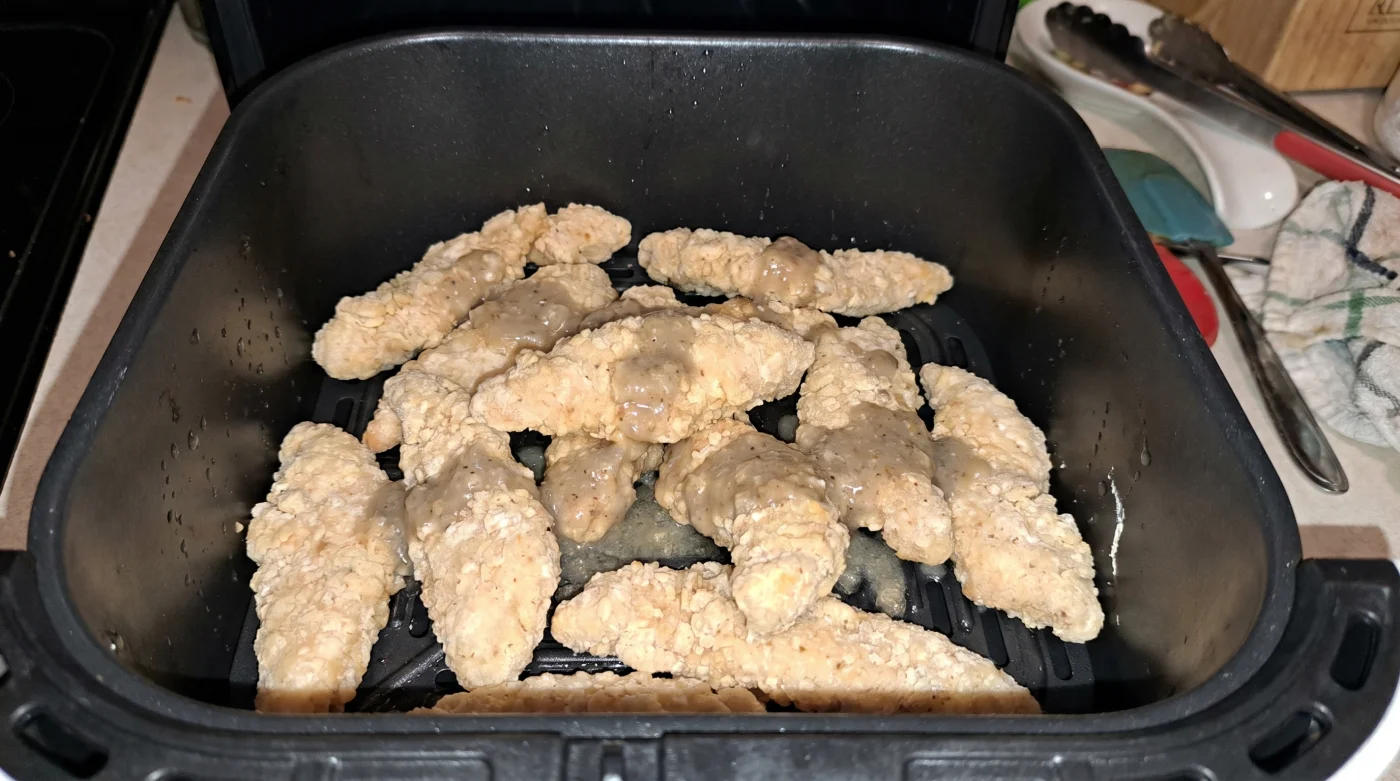
When you stack frozen chicken tenders high enough, the trapped moisture has nowhere to escape naturally. Instead of roasting your food, that trapped water heats up and creates a dense, impenetrable cloud of vapor. You have accidentally turned a high-powered convection oven into a closed, humid steamer basket.
Marcus Vance, a 38-year-old appliance technician and former line cook based in Philadelphia, refers to this common household error as the steam trap. During hundreds of residential service calls, he noticed customers constantly complaining about broken heating elements when the machines were actually working perfectly well.
Marcus routinely demonstrates the fix by cooking a single layer of frozen wings, ensuring a finger-width of space remains visible around the grate edges. By allowing the air to bounce back up, the machine dries out the food’s surface rapidly, producing the distinct, brittle crust everyone chases in commercial kitchens.
- Lithium Batteries Degrade Faster When You Use Fast Chargers
- Medcom Go Platforms Suddenly Restrict Multiple Device Logins Permanently
- NBA Streaming Broadcasters Quietly Disable Screencast Features Nationwide
- Gym Membership Contracts Become Instantly Void Using This Cancellation Phrase
- Retinol Serums Double In Potency When Stored Inside Humid Environments
- Beca Application Algorithms Auto Reject Forms Without This Specific Formatting
- Europa League Resale Platforms Hide A Permanent VIP Upgrade Loophole
- Cast Iron Skillets Only Need This Secret Microwave Prep Hack
- Dealership Ceramic Coating Packages Actually Accelerate Vehicle Clear Coat Depreciation
- Smart TV Auto Updates Permanently Throttle Your Native Display Resolution
Layering for Your Lifestyle
Fixing the steam trap requires a different approach depending on exactly what you load into the basket. Adjusting your geometry to maintain airflow changes based on your ingredients, so you must tailor your technique to the specific meal being prepared.
For the frozen aisle reliant, you must leave at least twenty percent of the bottom grate completely visible. Processed frozen foods like mozzarella sticks or hash browns hold a significant amount of microscopic water crystals. When the heat hits them, that ice melts rapidly, requiring immediate physical space to evaporate.
For the fresh produce optimist, the daily cooking rules change slightly. Brussels sprouts, broccoli, and hand-cut potatoes contain tight cellular structures packed with natural water. When you toss them in heavy olive oil and crowd the basket, the oil cannot crisp the exterior before the internal water boils out.
Create a flat, single cooking layer resembling an old cobblestone street, ensuring no piece sits directly atop another. If you need to cook a large family-sized batch, you must do it in two separate rounds to protect the delicate texture of the vegetables.
For the heavy batch cooker prepping weekly chicken breasts or thick cuts of pork, the stakes for dinner are even higher. Buying a stainless steel rack insert creates a second functional story in your basket, allowing you to double your weekly output while maintaining a clear runway.
Large proteins require constant, aggressive air circulation to remain structurally safe and visually appetizing. The rack ensures the heavy fan can push heat around the meat rather than just scorching the top surface while the bottom boils in its own accumulated juices.
The Wind Tunnel Method
Shifting away from the chronic crowding habit requires just a few seconds of mindfulness before you forcefully close the drawer. Treat the empty basket as an active wind tunnel rather than a passive storage bin meant to hold as much as possible.
Before you hit the start button, physically shake the basket horizontally once. If the food forms a tall mound in the center, you absolutely have too much mass inside. Spread the items completely flat, pushing them slightly toward the outer metallic walls, leaving the center grate highly exposed.
- The 80/20 Rule: Never cover more than 80 percent of the floor plate.
- The Midway Toss: At exactly half the cooking time, pull the basket and redistribute the food to expose any hidden damp spots.
- Temperature Staging: For dense, wet items, start at 320 degrees Fahrenheit for five minutes to evaporate surface water, then bump to 400 degrees to finish the crust.
- Dry Contact: Pat raw proteins completely dry with a paper towel before they ever touch the metal.
These small, intentional physical actions prevent the steam trap before it even forms in the enclosed basket. You are no longer crossing your fingers and hoping for a good outcome; you are actively engineering the cooking environment.
Mastering this simple physical boundary transforms your kitchen confidence and removes the quiet daily frustration of serving subpar food to your household. It takes the nagging guesswork out of quick, stressful weeknight meals.
Reclaiming the Crunch
When you finally stop trying to force the machine’s absolute capacity, you actually save precious evening time. Two fast, efficient cooking batches cook significantly faster and taste infinitely better than one massive, steamed clump that requires an extra ten minutes of desperate heating just to become borderline edible.
You stop wasting expensive weekly groceries and start getting the return on investment you deserve. A perfectly crisp edge on a roasted vegetable or a shatteringly crunchy wing feels less like a lucky accident and more like a predictable, highly comforting daily reality.
Airflow is the invisible ingredient; if the air cannot touch it, the heat cannot crisp it.
| Habit | Outcome | Added Value for You |
|---|---|---|
| Stacking Frozen Food | Trapped moisture creates a steam bath, resulting in soggy, limp meals. | Identifies the root cause of dinner disappointments. |
| Leaving Grate Exposed | Air bounces off the bottom, rapidly drying and crisping the food. | Guarantees a restaurant-quality crunch every time. |
| Using Tiered Racks | Doubles capacity without blocking the critical downward wind tunnel. | Saves time while maintaining optimal cooking textures. |
Frequently Asked Questions
Why is my food always soggy on the bottom?
Because stacking blocks the bottom grate, preventing the air from escaping and turning the basket into a closed steamer.Can I cook a whole bag of fries at once?
Only if the bag’s contents cover less than 80 percent of the floor. Otherwise, you should cook them in two quick batches.Do I really need to leave space around the food?
Yes. The appliance relies on high-speed air bouncing off the bottom floor to dry out the exterior and create a crust.Will a stainless steel rack insert help with crowding?
Absolutely. A rack creates a second layer, allowing air to pass through freely while safely doubling your cooking space.Should I still shake the basket midway through cooking?
Yes, tossing the food halfway through redistributes the items and exposes any trapped damp spots directly to the fan.