You stand at the bathroom sink, the mirror still faintly fogged from a warm shower. You dispense a few clear, viscous drops into your palms and press them into your cheeks, expecting that immediate, plump bounce promised by every glossy magazine. It feels cool and comforting. You trust the process. You have been told this famous ingredient holds a thousand times its weight in water, acting as an undisputed darling of modern vanity cabinets.
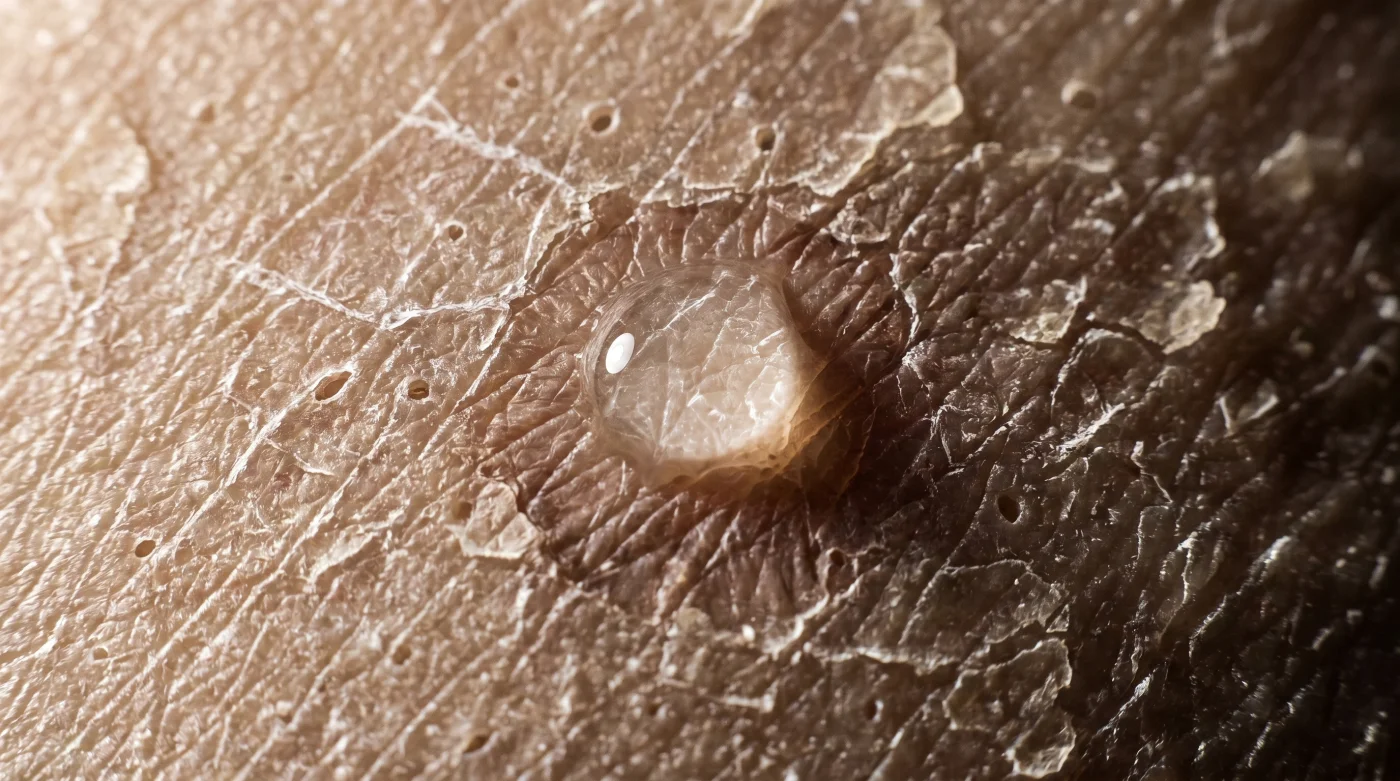
But by mid-afternoon, a subtle, creeping tightness settles across your forehead. The skin around your eyes takes on a papery, brittle texture. Instead of feeling quenched, your face feels as though it spent the day in a wind tunnel. You might blame your coffee intake, the weather, or your age, but the true culprit is resting innocently on your bathroom shelf.
The reality is hiding in plain sight. We treat this beloved liquid like a guaranteed drink of water, pouring it on without ever checking the room’s atmosphere. We blindly follow the instruction to apply daily, completely ignoring the mechanical nature of how moisture actually moves across physical environments.
When you apply it incorrectly, this famous moisture magnet stops working for you and begins working against you. It becomes the silent thief of your complexion, actively siphoning hydration from your own healthy cells to satisfy its chemical mandate.
The Moisture Magnet’s Blind Spot
Think of the compound not as water itself, but as a completely parched, desperate sponge. A sponge possesses no loyalty; it does not care where the water comes from, it only cares that it becomes full.
When you pat this sponge onto your face in a steamy, humid bathroom, it behaves exactly as advertised. It gladly reaches out into the damp air, pulls the ambient moisture toward your face, and locks it against your outer barrier. You step out into a humid summer day, and the sponge continues to drink from the atmosphere, keeping you looking fresh and resilient.
But step into an air-conditioned office or a heavily heated winter bedroom where the humidity drops below forty percent, and the rules of physics change. The air is entirely void of moisture. The sponge reaches inward instead, driving its roots down into your deep dermal layers. It pulls precious, hard-earned water from your deepest tissues up to the surface, where it immediately evaporates into the dry room. Your innocent attempt to hydrate just drained your reserves.
A Lesson From the Studio Lights
Meet Clara, a forty-two-year-old theatrical makeup artist working under intensely dry studio lights in Chicago. For months, she watched her actors complain of makeup flaking and skin turning to parchment by the second act, despite heavy morning prep routines. Clara realized the studio’s brutal, dry climate control was turning their morning hydration into a severe liability. She stopped letting the actors apply the clear liquid to dry faces. Instead, she introduced a heavy, soaking glycerin mist before the application, immediately followed by a thick sealing balm. This simple reversal forced the compound to hold the artificial mist rather than steal from the actors’ deep tissues, transforming their brittle makeup into a lasting, flexible canvas.
Adjustment Layers for Your Climate
Because we do not all live in a perfect, dewy greenhouse, mastering this tool requires acknowledging your specific environment.
- Lithium Car Batteries Lose Capacity Faster When Parked Indoors
- Coffee Grinders Actually Ruin Flavor When Used Every Single Morning
- Cloud Data Servers Abruptly Delete Unused Consumer Backup Files
- US Dollar Bills Face Immediate Rejection At Major Retailers
- Gym Membership Contracts Become Instantly Void Using This Cancellation Phrase
- Retinol Serums Double In Potency When Stored Inside Humid Environments
- Beca Application Algorithms Auto Reject Forms Without This Specific Formatting
- Europa League Resale Platforms Hide A Permanent VIP Upgrade Loophole
- Cast Iron Skillets Only Need This Secret Microwave Prep Hack
- Dealership Ceramic Coating Packages Actually Accelerate Vehicle Clear Coat Depreciation
For the Arid Commuter
If your daily life involves blasting car heaters or living in a desert climate, you must treat the clear liquid as a hazard unless properly chaperoned. You cannot rely on ambient humidity. You must artificially supply the water it needs to drink. Keep a continuous spray bottle of pure water or rosewater beside your sink to dictate the terms of your hydration.
For the Office Worker
Commercial HVAC systems are designed to aggressively strip moisture from the air to prevent mold. If you spend eight hours a day in this environment, a lightweight lotion is not enough to stop the outward evaporation. You need to cap the sponge with a lipid-rich cream containing squalane or shea butter to build a physical wall between your face and the office air.
For the Minimalist
If the idea of misting, applying, and sealing feels like entirely too much work for a Tuesday morning, step away from the pure liquids. Seek out a hybrid moisturizer where the binding ingredient is already pre-mixed with heavy emollients. You will sacrifice some of the immediate plumping power, but you completely eliminate the risk of accidental dehydration.
The Damp-Seal Method
Stopping the theft of your skin’s water requires a very specific sequence. You are no longer just rubbing liquid on your face; you are actively building a localized micro-climate.
Start with soaking wet, freshly washed skin. Skip the towel entirely to keep your canvas saturated and dripping. The water sitting on your face is the food the sponge needs.
- Leave your face visibly dripping with lukewarm water or a hydrating facial mist.
- Apply exactly three to four drops of the liquid while the skin is still highly wet, spreading it quickly.
- Wait exactly thirty seconds until the texture shifts from slippery to slightly tacky, indicating the binding process has begun.
- Immediately spread a rich, occlusive moisturizer over the top to physically trap the reaction and block the dry air.
Tactical Toolkit: Ideal room humidity is above fifty percent. Ideal water temperature is lukewarm, never hot enough to strip your natural oils. The critical wait time is thirty seconds; any longer, and the evaporation cycle begins.
Reclaiming Your Routine
Shifting your relationship with your vanity cabinet changes more than just a morning habit. It moves you from blindly trusting a label to understanding the delicate, living ecosystem you carry with you.
True comfort comes from knowing how your environment shapes your physical body. When you master this tiny atmospheric puzzle, you take back control from the elements.
That tight, papery feeling disappears entirely. It is replaced by a quiet, resilient calm that lasts long after you leave the bathroom mirror, proving that sometimes the best solutions come not from buying more things, but from truly understanding the mechanics of the things you already own.
Water is lazy, but binding agents are relentless; if you do not feed your skincare from the outside, it will feast on the inside.
| Key Point | Detail | Added Value for the Reader |
|---|---|---|
| Humid Environment | Pulls moisture naturally from the air | Lasting bounce and effortless plumpness |
| Dry Environment (Unsealed) | Pulls from your deep tissues | Causes tight, papery surface texture |
| Dry Environment (Damp-Sealed) | Traps applied surface water | Creates a protected, resilient barrier |
Frequently Asked Questions
Does this mean I should throw my bottle away? Absolutely not. It remains a highly effective tool, provided you supply the water it needs to function correctly by applying it to wet skin.
Can I just drink more water to fix the dryness? While internal hydration is vital for overall health, it does not change the physical mechanics of surface evaporation happening in a dry room.
What counts as a sealing moisturizer? Look for creams containing lipids, ceramides, or plant oils. If the cream feels slightly heavy or rich between your fingers, it will effectively trap the moisture.
Does the temperature of the water matter? Yes. Always use lukewarm water. Hot water damages your natural lipid barrier, making the evaporation problem significantly worse.
How do I know if my skin is already dehydrated? Gently push your cheek upward. If you see fine, crinkly lines that resemble tissue paper, your outer layer is lacking water and needs immediate, sealed hydration.