You probably haven’t thought about that old digital folder in years. It sits quietly on a server rack somewhere in a cold, windowless warehouse in Virginia, holding the blurry photos from 2014, a half-finished college thesis, and the tax returns you promised yourself you’d organize. You see that little green checkmark hovering over your desktop directory, and you feel the quiet comfort of permanence. You smell the warm plastic of your laptop exhaust as you work, completely unaware of the quiet purge happening miles away.
But digital space is an illusion. It requires constant power, massive cooling systems, and physical hardware that degrades over time. We were sold a comfortable story that the cloud was an ethereal, infinite vault where our past could rest without friction. The reality is far heavier, and the staggering energy bill has finally come due.
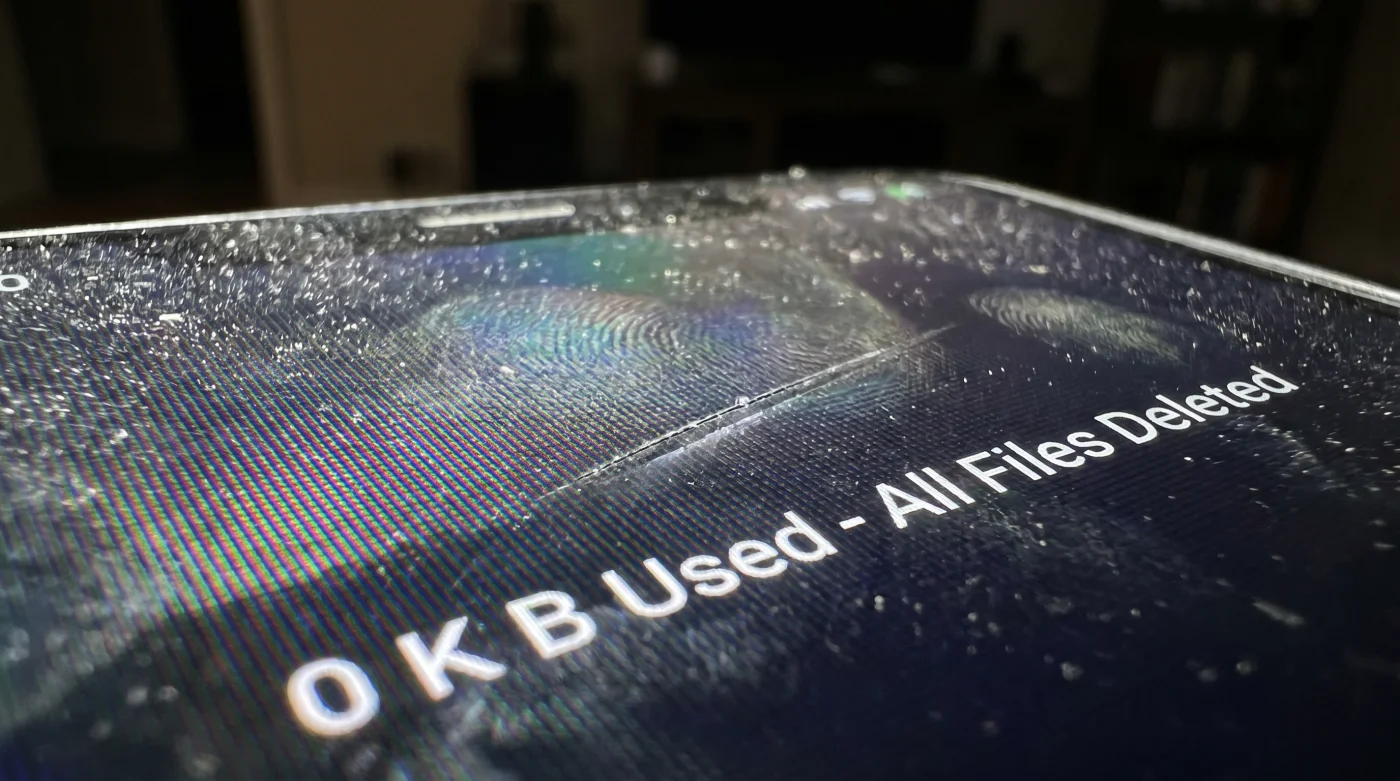
Today marks a quiet but violent shift in the modern tech landscape. Major providers are abruptly terminating their legacy free-tier archiving protocols. If you have been relying on a basic, unpaid account to store your history, those files are actively being queued for permanent erasure.
The Perspective Shift: The Eviction Notice You Never Got
For over a decade, the industry operated on a simple, aggressive hook: give away the space to capture the daily habit. It was a digital land grab. You moved your life onto their drives, trusting the implicit, warm promise that your memories were safe from hard drive crashes and spilled coffee. You stopped buying physical backup drives because renting invisible space felt cleaner and easier.
The industry lie is subtle but devastating. Providers are quietly erasing legacy backups from accounts that refuse premium data tiers, framing it in corporate emails as routine maintenance or account optimization. What was once pitched as your personal, permanent hard drive is actually a high-rent storage unit, and the digital landlords are clearing out the non-paying tenants to make room for enterprise contracts.
Marcus Vance, a 44-year-old former server architect, spent years maintaining data farms in Ashburn, Virginia, and saw this pivot coming. He spent his nights walking endless aisles of flashing server racks, wearing a heavy fleece to fight off the 62-degree Fahrenheit chill of industrial air conditioners keeping petabytes of unpaid data from melting down. “People think data floats,” Marcus notes. “It doesn’t. It sits on a spinning disk that costs thousands of dollars to run. When the board realized how much money was bleeding into storing ten-year-old, untouched photo albums for free users, the directive was immediate. Purge the silent accounts.”
Assessing Your Vulnerability
Not all accounts face the same executioner. The way you physically interact with your files dictates how fast you might lose them. The algorithms hunting for dead data are highly specific, targeting different types of users with varying levels of aggression.
For the Digital Hoarder, the risk is immediate. If you use the cloud as a graveyard rather than an active workspace, you are target number one. Accounts with gigabytes of data that haven’t seen an active download or file modification in twelve months are the first casualties of the deletion scripts. Your silence is the trigger.
- Cellulose Kitchen Sponges Double Their Lifespan With One Diagonal Cut
- Leather Car Seats Crack Faster When Cleaned With Conditioning Wipes
- Washing Machine Filters Clean Themselves Instantly With This Pantry Trick
- Ergonomic Mesh Chairs Slowly Damage Lower Back Posture Over Time
- HDMI Cables Deliver Identical Visual Output Regardless Of Retail Price
- Hyaluronic Acid Serums Actively Dehydrate Skin Under These Specific Conditions
- Lithium Car Batteries Lose Capacity Faster When Parked Indoors
- Coffee Grinders Actually Ruin Flavor When Used Every Single Morning
- Cloud Data Servers Abruptly Delete Unused Consumer Backup Files
- US Dollar Bills Face Immediate Rejection At Major Retailers
For the Frugal Freelancer, the danger lies in fragmentation. You might be storing old client deliverables, heavy PSD files, and video drafts on staggered, free-tier accounts tied to different email addresses. These providers are now actively cross-referencing IP logins to flag and wipe duplicate free-tier abusers without warning.
For the Automated Family, the threat is a shrinking ceiling. If your phone automatically dumps photos to a free cloud drive, you might assume you are safe because the account shows daily activity. But hidden space caps are shrinking, and once you hit the invisible new limit, the oldest family photos are silently overwritten to make room for today’s screenshots.
The Archival Rescue Plan
Panic serves no one. You need to treat your data like fragile physical heirlooms in a flooded basement. It requires a calm, deliberate extraction before the water rises.
You must shift your approach from a mindset of passive renting to active, intentional ownership. Pulling your life off their servers takes an afternoon of focused effort, but it buys a lifetime of quiet security. Gathering your digital footprint is an act of reclaiming your own history.
Follow these precise, minimalist actions to secure your files:
- Log into every free tier account you hold and immediately navigate to the account settings to request a bulk export archive.
- Purchase a solid-state drive (SSD). It has no moving parts, resists physical shock, and fits in the palm of your hand.
- Download the zipped archives directly to the connected SSD, bypassing your computer’s limited internal drive to avoid memory crashes.
- Implement the 3-2-1 principle: Create three total copies of your data, on two different mediums, with one stored in a fireproof box or a different physical location.
Your Tactical Toolkit is straightforward. You will need a 1TB external SSD formatted to exFAT so it reads seamlessly on both Mac and PC systems. You need a dedicated, quiet afternoon to babysit the download progress bars, and a clear desk. Do not close your laptop lid while the archive compiles, as sleep mode will sever the connection and corrupt the entire zipped file.
Reclaiming Your Digital Soil
Holding a cold piece of metal that contains your entire digital history provides a strange, heavy comfort. You are no longer reliant on the shifting terms of service of a faceless corporation, waiting for the next policy update to threaten your memories.
By pulling your archives down from the cloud, you sever the persistent anxiety of digital impermanence. You transform scattered, rented data into a tangible, permanent artifact you control, ensuring your history survives the ruthless math of the modern tech industry. You finally own your past again.
“Data you don’t physically hold is just data you are hoping someone else cares enough to keep.”
| Storage Method | Hidden Reality | Added Value for You |
|---|---|---|
| Legacy Free Cloud | Subject to zero-notice deletion scripts | Forces you to audit what truly matters |
| Premium Cloud Tier | A perpetual, compounding monthly tax | Seamless syncing for immediate, active projects |
| Physical SSD Backup | Requires upfront cost and manual habit | Absolute ownership and zero monthly fees |
Data Eviction FAQ
Will I get an email before my files are deleted? Often, yes, but it is usually buried in promotional spam or flagged by your email filter as a routine service update, making it easily missed.
Can I recover files after the free tier purge? No. Once the servers overwrite the dead sectors, the data is forensically unrecoverable to free up immediate physical space.
Does this affect files shared with me by paid users? If the file originates from a paid account, it remains safe, but if you own the shared folder on a free account, the entire contents will vanish for everyone.
What is the best format for long-term physical storage? Solid-state drives (SSDs) are highly stable, but for multi-decade archiving, cold-storage M-DISCs offer the highest physical durability.
How long do these bulk export requests take to process? Depending on the provider’s server load, compiling a decade of files can take anywhere from three hours to four days.