It is 11 PM, and the bathroom tiles feel cold under your bare feet. You reach for the clear, unassuming bottle on the shelf, tipping it onto a soft cotton pad until it is heavy and damp. With a few quick, sweeping motions, the weight of the day—foundation, city dust, stubborn mascara—melts away into the cotton. Your face feels cool, refreshed, and ostensibly clean. You turn off the light and go to sleep.
This is the modern evening ritual, marketed as a frictionless miracle. We trust the word ‘water’ on the label, assuming the liquid evaporates cleanly into the night air. But that refreshing coolness masks a quiet, invisible friction happening just below the surface of your skin.
The professional reality is far less forgiving than the bottle’s promises. That seemingly pure liquid is actually a complex suspension of cleansing agents, and leaving it to dry is the equivalent of washing your hands with soap and simply wiping them off with a dry paper towel. Over time, this daily convenience silently dismantles the very structures meant to protect you.
The Soap Film and the Spongy Wall
To understand the invisible wear and tear on your face, you have to look at the chemistry of the cleanser itself. Micellar formulas rely on surfactants—molecules with one end that loves water and another that loves oil. They clump together into tiny spheres called micelles, which act like microscopic magnets to pull dirt and sebum out of your pores.
The fatal flaw lies in the instructions on the back of the bottle. We are told there is no rinsing required, creating a widespread success killer in daily skin maintenance. When the water evaporates, those surfactant magnets remain fully active on your face.
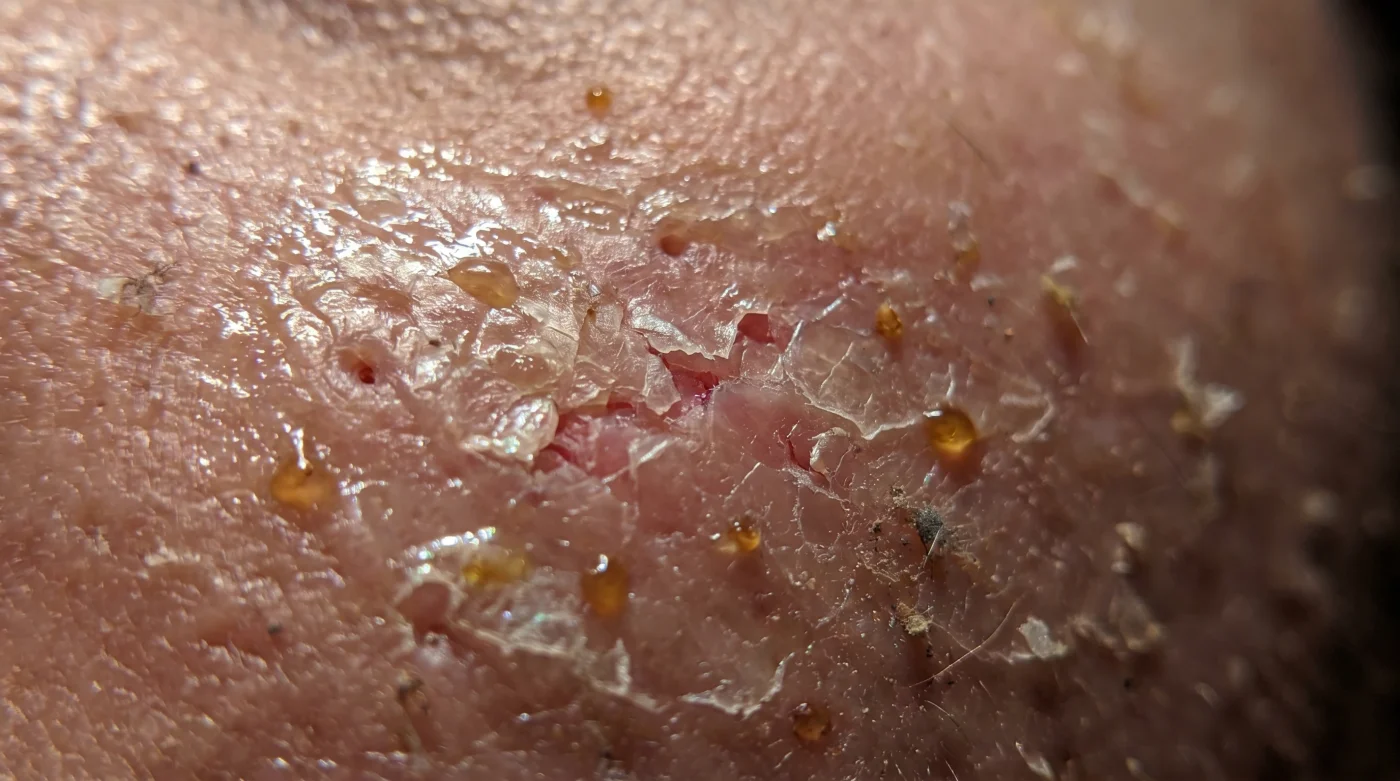
Imagine treating your skin like a delicate, living sponge. If you soak that sponge in soapy dishwater and leave it on the counter to dry, the fibers become brittle, tight, and prone to snapping under the slightest pressure. The leftover surfactants sit on your skin all night, slowly dissolving your vital natural lipids that hold your skin cells together, causing microscopic barrier tears that lead to persistent redness and dehydration.
This invisible degradation is exactly what frustrated Elena Rostova, a 39-year-old cosmetic chemist based in Chicago. While developing gentle cleansers for a boutique lab, she began testing the residual film left by popular ‘no-rinse’ formulas. Under a microscope, she watched as the leave-on surfactants behaved like microscopic pac-men, steadily chewing through the stratum corneum hours after application. ‘People think they have sudden rosacea or adult acne,’ she noted to her team, ‘but they actually just have chronic, low-grade chemical burns from sleeping in detergent.’
How the Residue Acts on Different Profiles
You might not notice the microscopic tears right away. The damage compounding on your face usually masquerades as entirely different problems depending on your baseline.
For the chronically dry, the symptoms are often misinterpreted as the changing of the seasons or a lack of moisture in the air. You wake up feeling like your face is slightly too small for your skull. The residual cleansers have stripped the fatty acids overnight, forcing you to buy heavier, more expensive creams to fix a problem your cleanser created.
- Smart TV Processors Degrade Rapidly Using Default Factory Settings
- HDMI Cables Downgrade Streaming Resolution When Bent Over 90 Degrees
- Synthetic Motor Oil Evaporates Faster Without This Filter Modification
- Employment Contracts Hide A Devastating Non Compete Severance Clause
- Lithium Batteries Lose Capacity Instantly At Full Charge States
- Instituto De Mercadeo Agropecuario Suspends Key Wholesale Supply Chains
- Ceramic Coating Actually Traps Microscopic Clear Coat Moisture Daily
- Retinol Creams Accelerate Aging When Mixed With Tap Water
- Cast Iron Skillet Seasoning Demands Freezing Before High Heat
- Wi-Fi Routers Throttle Speeds Unless You Disable Default Frequencies
For the breakout-prone, the film creates a suffocating trap. The surfactants bind with whatever trace amounts of makeup or pollution were left behind, creating a micro-film that traps anaerobic bacteria against pores. You might assume your cleanser is not strong enough, when in reality, the residue is actively feeding the congestion.
For the rushed minimalist, the appeal of the one-step routine becomes a false economy. You save two minutes at the sink at night, only to spend ten minutes the next morning trying to color-correct the patchy, uneven redness caused by a compromised defense layer.
The Restorative Rinse Protocol
Fixing this hidden degradation does not mean you have to throw away your favorite bottle. It simply requires a slight shift in your mechanical routine. You have to logically treat the liquid as temporary, rather than a permanent leave-on treatment.
First, apply the soaked cotton pad gently, pressing it against your closed eye or cheek for a full five seconds before wiping. Let the solvent do the work so you aren’t pulling at the skin. Once you have removed the day’s debris, do not walk away from the sink.
You must neutralize the active cleansers. This requires a mindful, secondary action to flush the active surfactants away before they can settle into your stratum corneum.
- Turn the faucet to a lukewarm temperature, roughly 85 degrees Fahrenheit. Anything hotter will melt your natural lipids; anything colder will shock the skin.
- Cup the water in your hands and splash your face three to four times, ensuring water reaches the hairline and jawline where residue accumulates.
- Alternatively, use a dedicated, water-only microfiber cloth to gently press and lift the remaining cleansers off the surface.
- Pat dry with a clean cotton towel, pressing straight down like breathing through a pillow, rather than dragging the fabric.
The Tactical Toolkit consists of your preferred micellar solvent, unbleached cotton rounds, lukewarm tap water to neutralize, and a soft, clean towel changed twice a week.
Protecting the Living Wall
When you stop leaving active detergents on your face to dry, the shift in your skin’s behavior is profound. Within weeks, the baseline redness fades into an even tone. The tight, stinging sensation after showering disappears, replaced by a natural, pliable softness that holds onto hydration on its own.
You are no longer caught in a cycle of stripping away your defenses and desperately trying to rebuild them with heavy creams. By simply adding ten seconds of water, you allow your skin to do what it is biologically programmed to do: protect you.
This small mechanical correction proves that the best solutions are not always about adding another product to your shelf. It is about an active respect for your body’s boundaries and interacting with the tools you already have with a clearer, more grounded understanding.
“Your skin barrier is the roof over your house; if you leave the acid rain sitting on the shingles every night, no amount of expensive interior decorating will stop the eventual leak.” — Elena Rostova, Cosmetic Chemist
| Key Point | Detail | Added Value for the Reader |
|---|---|---|
| The No-Rinse Myth | Micellar formulas contain active surfactants (soaps) meant to bind oil. | Prevents the hidden cause of unexplained redness and barrier tearing. |
| The Microscopic Tear | Leave-on detergents dissolve the lipids binding your stratum corneum. | Saves money on heavy repair creams by stopping damage at the source. |
| The 10-Second Fix | A simple lukewarm water splash deactivates the cleansing agents. | Turns a damaging convenience product into a safe, highly effective tool. |
Frequently Asked Questions
Does this mean I need to wash my face twice?
Not necessarily with two cleansers. A thorough splash with plain lukewarm water is often enough to remove the surfactant residue left by the cotton pad.Why do the labels say no rinsing is required?
It is a marketing angle built around convenience. While the amount of surfactant is low compared to a foaming wash, it is still enough to degrade your lipid layer over time if left to dry.Can I just spray my face with a facial mist instead?
If you spray a heavy mist and gently wipe it away with a clean cloth, yes. But simply spraying over the residue and letting it dry will only reactivate the surfactants.Are all micellar brands guilty of this?
Yes. The very definition of the product requires micelle-forming surfactants. Regardless of the brand’s botanical additions, the core chemistry demands a rinse.How long will it take for my barrier to heal once I start rinsing?
Skin typically operates on a 28-day renewal cycle. However, you will likely feel a reduction in tightness and irritation within the first four to five days of proper rinsing.