You step out into the crisp, 38-degree morning air, gripping a lukewarm travel mug. You turn the key, and the engine shudders to life, settling into that familiar high-idle hum. You pull out of the driveway, heading two miles down the road to the elementary school, confident that the expensive fluid protecting your engine is doing its job.
After all, you paid top dollar for premium full-synthetic oil at your last service. It feels like automotive armor, an invisible forcefield against friction and wear. You assume this high-tier liquid means you can stretch your maintenance intervals and stop worrying about what happens under the hood.
But the reality inside your crankcase tells a completely different story. That quick trip to the bakery, the five-minute school run, the brief jaunt to the commuter rail station—these seemingly harmless routines are quietly suffocating your engine from the inside out.
You see, synthetic fluids are designed to thrive in extreme heat, but they demand an operational threshold to function as engineered. When you shut the engine off before the needle even clears the blue zone on your temperature gauge, you are trapping water vapor and raw fuel right where it hurts the most.
The Temperature Threshold Myth
Think of a high-end self-cleaning oven. If you turn it on for just four minutes to warm a plate, the internal mechanisms never engage. It requires sustained, intense heat to actually burn off the grease and residue from last week’s dinner. Your car’s lubrication system works on the exact same physical logic.
When an engine block cools overnight, condensation naturally forms on the inner metal walls. A cold start also forces a rich fuel mixture into the cylinders to keep the engine from stalling in the dense air. Tiny amounts of this raw gasoline inevitably slip past the piston rings and wash down into the oil pan.
The only way to eliminate this toxic soup of water and unburnt gasoline is to boil it away. Motor oil needs to reach approximately 212 degrees Fahrenheit to evaporate the moisture, which is then routed through the positive crankcase ventilation system and burned safely in the intake.
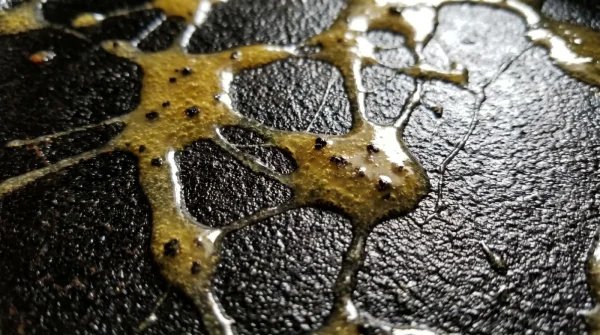
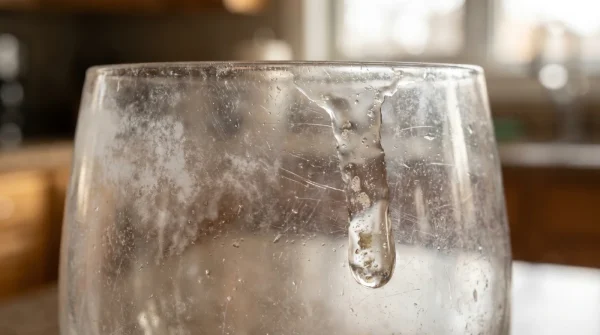
A five-minute drive through neighborhood stop signs barely moves the needle. Your oil might only hit 140 degrees. Without sufficient heat, you are left with a thick, pale sludge accumulating under the oil cap. The premium formula you bought is now fighting a losing battle against internal chemical rot.
A View from the Service Bay
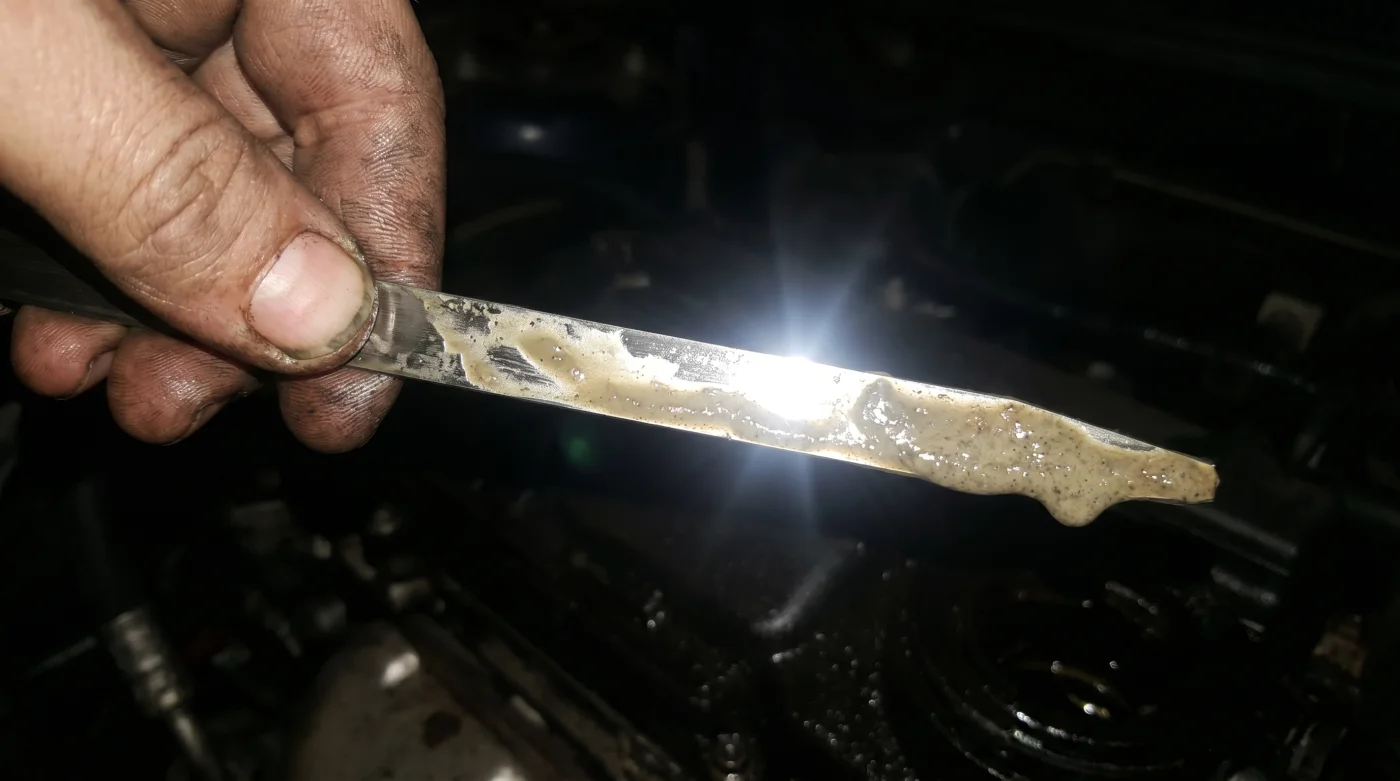
Marcus Thorne, a 54-year-old master mechanic running an independent garage just outside of Philadelphia, sees this heartbreak every winter. He spends hours tearing down modern, low-mileage engines that look perfectly pristine on the outside, only to find the internal passages choked with a yellowish, mayonnaise-like froth.
“People spend eighty dollars on a premium oil change,” Marcus notes, wiping the dark grit from his worn hands, “and then they kill it by exclusively driving to the corner store. An engine needs to sweat. If it never breaks a sweat, it simply chokes on its own breath.”
Adjusting for Your Driving Reality
Not all commutes are created equal. Understanding how your specific driving habits interact with cold metal and thick fluids allows you to adapt. You do not have to give up your short morning drives; you just need to manage the mechanical consequences.
- Salary Employment Contracts Hide A Devastating Unpaid Overtime Clause
- Refrigerator Condenser Coils Double Cooling Power With One Fast Vacuum
- Baking Soda Cleaners Secretly Scratch Protective Enamel Cookware Finishes
- Engine Coolant Fluids Quietly Destroy Older Aluminum Radiator Cores
- Retinol Night Creams Accelerate Aging When Applied On Damp Skin
- Bluetooth Headphones Drain Battery Rapidly Using Default Audio Settings
- TVMAX En Vivo Streams Suddenly Suspend Free Match Broadcasts
- Chelsea Manchester United Broadcasters Abruptly Shift Premium Streaming Access
- Whole Bean Coffee Actually Stales Faster Inside Standard Refrigerator Crisper Drawers
- Smart TV Remotes Clear Streaming Caches Instantly With This Button Combo
For the Suburban Sprinter: If your day consists of hopping between the grocery store, the post office, and the soccer field, your engine rarely reaches thermal equilibrium. You fall squarely into the severe service category. You should be cutting your oil intervals completely in half, regardless of what the digital dashboard suggests.
For the Hybrid Commuter: Modern hybrid vehicles present a unique challenge. Because the gas engine shuts off at stoplights and during low-speed coasting, the aluminum block stays colder for much longer than a traditional gas-powered car. Condensation buildup in hybrids is notoriously stubborn, demanding extra attention.
For the Weekend Warrior: If your vehicle sits in the driveway from Monday to Friday, but sees a steady 45-minute highway drive on Saturday, you are actually in a much better position. That sustained heat bakes the moisture out, leaving your fluid clean, clear, and fully functional for the week ahead.
The Heat Cycle Habit
Preserving the lifeblood of your engine does not require an engineering degree or thousands of dollars in aftermarket modifications. It simply demands a mindful shift in how you maintain the machine.
Think of these steps as a physical reset for your vehicle. By intentionally introducing heat and adjusting your maintenance timeline, you protect your long-term investment without disrupting the rhythm of your daily life.
- The Weekly Burn: Dedicate one day a week to a continuous, 20-minute highway drive. Get the vehicle up to highway speeds where the engine works under a sustained load, pushing the oil past the boiling point of water.
- Avoid the Idle Trap: Letting your car idle in the driveway for ten minutes on a cold morning warms the coolant, but does very little for the thick pool of oil sitting in the pan. Drive gently right away instead to build internal pressure.
- The Tactical Toolkit: Check your dipstick or oil fill cap once a month. If you see a milky white substance clinging to the metal or plastic threads, your engine is running too cold. Plan a highway run immediately.
- Ignore the Mileage Myth: If you drive less than 10 miles a day, change your synthetic oil every six months, regardless of the odometer reading. Time and constant condensation degrade the fluid just as fast as high mileage.
Peace of Mind Through Mechanical Empathy
We tend to view our vehicles as static appliances. We expect them to perform flawlessly at the turn of a key, turning a blind eye to the violent friction and chemical realities happening quietly under the hood. But machines, much like the people who build them, have specific conditions required to remain healthy.
By recognizing the hidden damage of the five-minute neighborhood commute, you step away from the marketing hype on the side of the plastic bottle. You realize that a high price tag cannot outsmart basic physics.
Taking control of your vehicle’s health through a simple, weekly highway drive fundamentally changes the relationship you have with your car. The anxiety of unexpected, catastrophic repairs fades. You learn to listen to the machine, understanding that giving it room to breathe and reach its full operating temperature is the truest, most honest form of preventive maintenance.
“An engine that never reaches its boiling point is quietly drowning in its own condensation.” – Marcus Thorne
| Key Point | Detail | Added Value for the Reader |
|---|---|---|
| The Cold Start Penalty | Raw fuel and moisture bypass cold piston rings during warm-up. | Explains why quick, low-speed trips are actively damaging. |
| The 212°F Rule | Oil must reach boiling temperatures to vaporize trapped water. | Provides a clear operational target for long-term engine health. |
| Severe Service Schedule | Short trips require halving the recommended mileage interval. | Saves thousands of dollars in premature internal wear repairs. |
Frequently Asked Questions
Does idling in my driveway warm the oil enough to burn off moisture?
No. Idling quickly warms the coolant to provide cabin heat, but the engine is under zero physical load. The oil in the pan remains significantly colder for much longer. It is far better to drive the vehicle gently right away.
Is synthetic oil still better than conventional oil for short trips?
Yes. Synthetic oil flows much faster at freezing temperatures, providing instant lubrication upon startup. However, it is still vulnerable to moisture and fuel contamination if it is never brought to full heat.
What exactly is the milky substance under my oil cap?
That is an emulsion of oil and water—essentially engine mayonnaise. It is a direct physical symptom of frequent short trips and means your crankcase desperately needs a sustained highway drive to boil off the trapped moisture.
Will an aftermarket engine block heater solve this problem entirely?
A block heater reduces cold-start wear and stops the engine from dumping excess raw fuel into the cylinders, which certainly helps. However, it still does not push the oil temperature high enough to evaporate existing condensation during a five-minute drive.
How long does it actually take for engine oil to reach its optimal temperature?
Even after the coolant temperature gauge on your dash reads exactly in the middle, the dense oil in the pan typically needs another 10 to 15 minutes of continuous driving under load to reach the critical 212-degree threshold.