The cast iron skillet is smoking just right, throwing off the deep, roasted scent of toasted sesame oil and seared garlic. You have spent the last thirty minutes precisely chopping vegetables, measuring out soy sauce, and anticipating a perfect weeknight meal. The meat hits the hot pan with a satisfying hiss, browning beautifully on the edges. Everything looks exactly like the photos from that recipe blog you saved. You plate the food, grab a fork, and settle in at the table, expecting the comforting resistance of well-cooked beef.
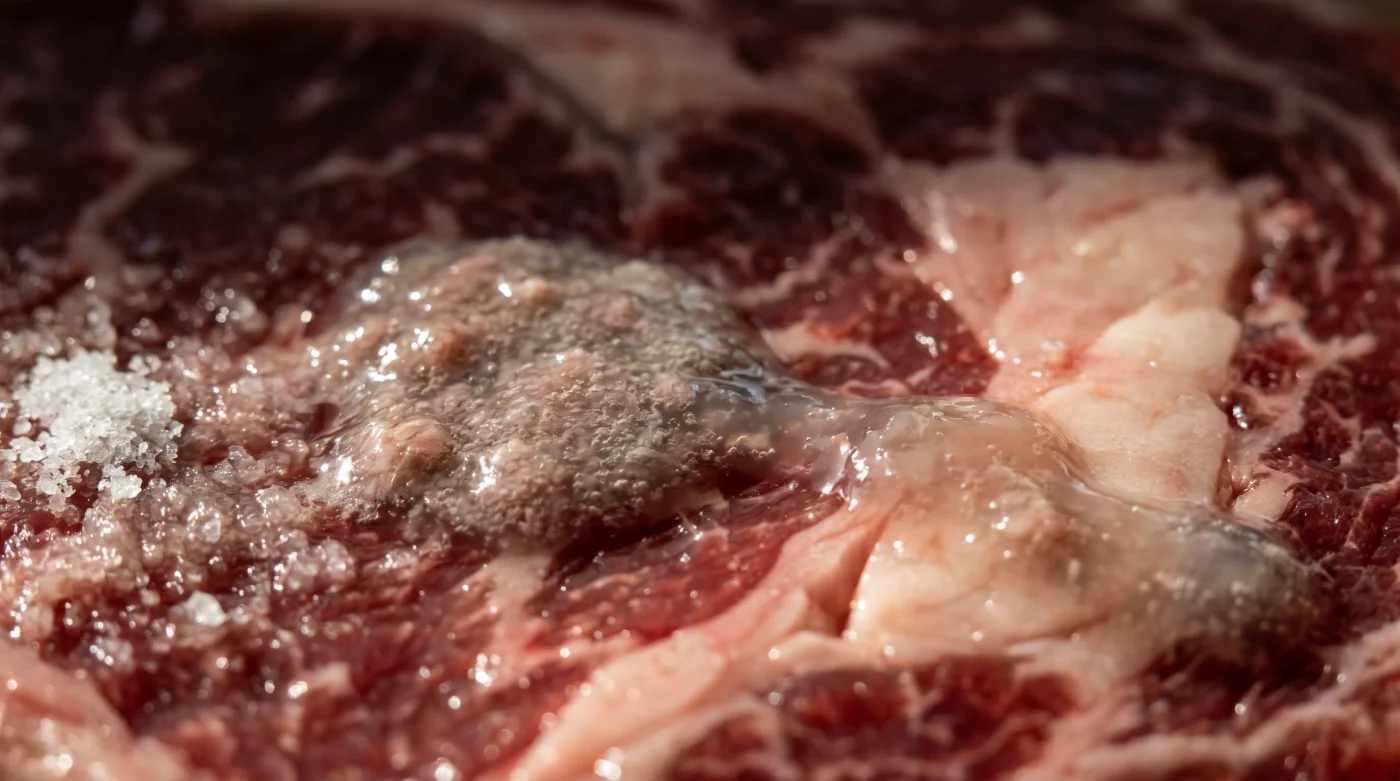
You pull a glossy piece of flank steak into your mouth, but instead of a satisfying bite, your teeth sink into something horribly wrong. The meat yields instantly, offering zero resistance, leaving you with the unmistakable sensation of chewing on a damp sponge. The flavor is overwhelmed by a faint, metallic soapiness that coats the back of your tongue. You spit it into a napkin, staring at the plate, wondering how an expensive cut of meat turned into a textured nightmare.
It is a frustrating reality that happens in kitchens across the country every single night. You didn’t overcook the meat, and you certainly didn’t buy a bad batch from the butcher. The culprit is that viral tenderizing hack you read about online. Someone told you that a quick dusting of baking soda would velvet the meat, mimicking the soft, yielding texture found in restaurant stir-fries. What they failed to mention is that this technique is highly volatile chemistry, and missing one crucial step ruins the entire dish.
Baking soda is an aggressive alkalizing agent, meaning it dramatically raises the pH level on the surface of your ingredients. When it interacts with meat, it forces the muscle proteins to repel one another, preventing them from tightening up under heat. If left unchecked, this reaction simply continues eating away at the flesh until it dismantles the protein networks entirely. You are not just tenderizing the meat; you are chemically melting it, turning a twenty-dollar grocery purchase into a total loss.
The Perspective Shift: Controlling the Chemical Teeter-Totter
Home cooks often treat baking soda as if it were just another seasoning, like kosher salt or cracked black pepper. You sprinkle a little over the cutting board, toss the meat with your hands, and walk away to chop up some broccoli. But baking soda does not season your food; it functions more like a chemical demolition crew. It is brute-force science breaking down physical barriers. The mundane detail that most people miss is that this demolition must be strictly managed.
The hidden flaw in the common instruction is the assumption that time alone stops the reaction. The secret to perfect velveting is actually applying an immediate acid brake. Without introducing a specifically measured acid to neutralize the alkaline environment, the baking soda continues to compromise the meat long after you think the process is finished. Rinsing it with tap water only washes away the surface powder; it does not stop the chemical reaction happening inside the fibers.
This realization shifts your entire approach to the cutting board. The very characteristic that makes baking soda so destructive—its rapid breakdown of tough proteins—becomes your greatest culinary advantage once you learn how to steer it. You are no longer hoping the meat turns out well; you are actively commanding the chemistry. You are introducing a highly basic compound to do the heavy lifting, and then dropping an acid on top of it to lock the perfect texture in place.
Marcus Chen, a 42-year-old prep cook in a busy Chicago stir-fry restaurant, treats this balance with total reverence. Sitting beside a massive stainless steel prep sink, he explains how his kitchen handles fifty pounds of beef a day. ‘People think we just dust the flank steak with magical powder and go on break,’ he says, shaking his head. ‘If you don’t hit that meat with a splash of Shaoxing wine or rice vinegar at exactly fifteen minutes, the game is over. That quick hit of acid is what protects the structural integrity of the dish.’
The Grocery Graveyard: Adjusting for Your Specific Cut
Not all proteins react the same way to this violent shift in pH levels. You cannot treat a delicate piece of poultry with the same heavy hand you would use for a thick slab of beef. Failing to adjust your measurements based on the specific animal protein is a guaranteed way to fill your kitchen trash can with inedible mistakes. You have to adapt your strategy to the physical realities of the food in front of you.
For the weeknight poultry buyer, extreme caution is necessary. Chicken breast is incredibly sensitive to alkaline environments. A mere quarter-teaspoon of baking soda left alone for too long will destroy the delicate muscle walls, leaving you with meat that feels like it has been pre-chewed. To save your chicken, you need a fast, aggressive acid rinse, like fresh lemon juice, applied after no more than ten minutes of exposure.
Tougher cuts of beef, like flank, skirt, or bottom round, feature thick, stubborn muscle fibers that resemble bundled ropes. These cuts can withstand a longer alkaline phase, often needing a full fifteen minutes for the baking soda to properly penetrate the surface. But their rugged nature creates a false sense of security. Because the beef feels tough in your hands, you might assume it can sit in the powder indefinitely while you prep other ingredients.
- Lithium Ion Batteries Degrade Instantly When Drained Below Twenty Percent
- TVN En Vivo Broadcasts Suddenly Block Unregistered Mobile Device Access
- Beneficiario Status Updates Now Require Immediate Digital Bank Authentication
- All-Wheel Drive Systems Actively Devalue Vehicles Without Full Service Records
- Olive Oil Marinades Actively Destroy Meat Textures Over High Heat
- Merca Panama Produce Suppliers Abruptly Change Bulk Purchasing Weight Limits
- Chelsea Manchester United Broadcasts Suddenly Drop Support For Mobile Browsers
- Term Life Insurance Policies Hide This Instant Cash Loophole
- LED Headlight Bulbs Fail Early Without This Thermal Paste
- Microfiber Cleaning Cloths Lose Absorbency Washed With Liquid Softener
For those relying on budget beef to stretch their grocery dollars, this mistake is particularly painful. You buy a cheaper cut specifically relying on the baking soda to soften the chew and make the meal enjoyable. But forgetting the acid ratio means you are effectively turning dinner into inedible mush. You are taking an affordable, practical piece of meat and destroying its utility, wasting both your money and your evening.
Mindful Application: Building the Acid Brake
Fixing this error requires a shift in your kitchen habits. You must stop viewing velveting as a passive marinade and start treating it as an active, timed procedure. It is a mindful process that demands your attention. You are intentionally taking the meat to the very edge of dissolution, and then pulling it back to safety at the exact right second.
You have to stop treating your measurements casually. A pinch of this or a splash of that will not work when dealing with raw chemistry. Precise measurements dictate the final texture of your meal. You need to keep a clear workspace, set a loud timer on your phone, and have your acid ready to deploy before you even sprinkle the first bit of baking soda over the meat.
Here is your tactical toolkit for protecting your expensive groceries from alkaline destruction:
- The Alkaline Coat: Use exactly one-half teaspoon of baking soda per pound of sliced meat. Toss vigorously until every piece is lightly coated.
- The Dwell Time: Set your timer for exactly fifteen minutes for tough beef, or ten minutes for delicate poultry. Do not guess the time.
- The Acid Brake: Pour one tablespoon of rice vinegar, apple cider vinegar, or citrus juice directly over the meat. Massage it in with your hands.
- The Final Flush: Move the meat to a colander and aggressively rinse it under cold tap water for thirty seconds to wash away the neutralized compounds.
When you rinse the meat after applying the acid, pay attention to how it feels. The pieces will transition from feeling unpleasantly slick and soapy back to a firm, clean state right under your fingertips. The meat returns to a natural firmness, retaining its shape while fundamentally changing its internal structure. It is ready for the intense heat of the skillet.
The Bigger Picture: Reclaiming Your Kitchen Confidence
Taking the time to understand these small, unseen forces changes your relationship with cooking. We often rush through food preparation, treating the kitchen as an assembly line rather than a place of craft. We follow instructions blindly, hoping for the best, and feel defeated when things go wrong. But knowledge removes the mystery from the failures.
By balancing the chemical reaction with a deliberate acid brake, you are genuinely respecting the raw materials you purchased. You are stepping away from the frustration of ruined dinners and wasted money, moving toward a practice of intentional, mindful preparation. You are ensuring that the food you serve to yourself and your family is exactly what it is meant to be.
Cooking stops feeling like a roll of the dice. You know precisely why the flank steak holds its shape in the wok and why it yields so beautifully to the bite. You have taken a piece of mundane chemistry and turned it into a reliable tool, bringing a new layer of peace and predictability to your daily routine.
“You don’t tenderize meat with baking soda; you negotiate with it. The acid is how you end the conversation before things get ugly.” — Marcus Chen, Culinary Prep Specialist
| Key Point | Detail | Added Value for the Reader |
|---|---|---|
| The Alkaline Soak | 1/2 tsp baking soda per pound of sliced meat, resting for 10-15 minutes. | Dramatically softens tough muscle fibers without the need for overnight marination. |
| The Acid Brake | 1 tbsp of rice vinegar or citrus juice massaged into the meat after resting. | Instantly halts the chemical breakdown, preventing the meat from turning into mush. |
| The Cold Rinse | Vigorous washing under cold running tap water for thirty seconds. | Removes the neutralized chemical residue, entirely eliminating any soapy aftertaste. |
Frequently Asked Questions
Can I use lemon juice instead of rice vinegar?
Yes, any standard culinary acid works perfectly to halt the reaction. Lemon juice adds a bright, fresh note that pairs especially well with poultry dishes.
How do I know if I used too much baking soda?
The meat will feel unusually slick, almost slimy, and take on a distinct, metallic smell. If this happens, apply the acid immediately and rinse heavily in cold water.
Does this method work on expensive cuts like ribeye?
Never use this technique on naturally tender steaks. It will turn premium, expensive marbling into mush. Save this process exclusively for tough, working muscles.
Can I leave the meat in the fridge while it tenderizes?
You can, but the strict fifteen-minute rule still applies. The chemical reaction does not slow down significantly in the refrigerator.
What happens if I skip the acid and just rinse with water?
Water dilutes the surface baking soda but does not neutralize what has already penetrated the meat fibers, leaving you with compromised texture and a lingering soapy flavor.