The sudden deceleration of the subway car signals your arrival. The air shifts as you climb the concrete stairs, trading the stagnant tunnel breeze for the sharp, familiar scent of roasted peanuts, exhaust, and humid city asphalt. You pull out your phone, muscle memory dictating the exact cadence of your next move: a quick double-tap of the side button to summon your digital wallet. You expect to glide right through the turnstiles, a seamless transition from the crowded Bronx street to the echoing, hallowed cathedral of the ballpark.
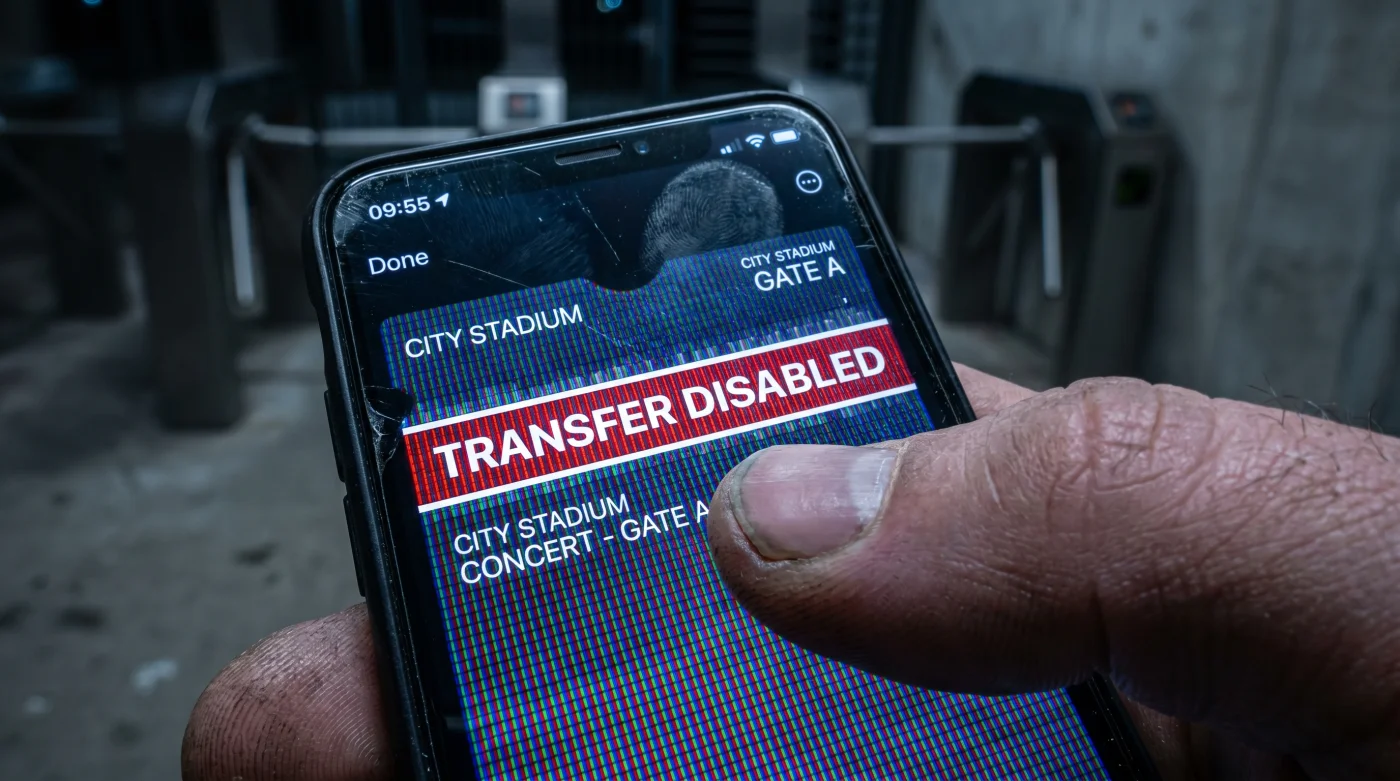
But the line ahead of you stalls out. Screens flash an angry, blinking red, and the murmurs of the crowd swell into collective frustration. The seamless entry is gone, replaced by thousands of fans realizing simultaneously that the digital rules changed overnight. Stadium staff wave glowing wands, shouting instructions over the din, pointing confused families toward the box office lines that wrap around the block. You stare at your screen, watching a frozen barcode fail to scan.
This is the quiet market shift that caught everyone off guard just before the biggest series of the month. Major ticketing platforms silently severed the application programming interface that allowed Yankees Stadium tickets to exist freely inside third-party digital wallets. Your passes are now trapped within a proprietary application, stripped of the frictionless sharing that made group outings manageable. It feels less like a security upgrade and more like breathing through a pillow—a suffocating layer of unnecessary friction added to an already expensive evening.
You always assumed a digital pass was simply a modern barcode, a digital handshake granting you passage. But these platforms view that barcode as a leash. The illusion of ownership fades the moment you realize you cannot hand your own ticket to a friend via a simple text message. You are renting access on their highly controlled terms, bound by their specific software parameters.
The Walled Garden Strategy
To understand why this is happening, you have to look past the official press releases citing fraud prevention. This pivot is fundamentally about data capture and ecosystem control. When a ticket lived in your generic digital wallet, the originating platform lost sight of it. They could not track who you sent it to, what time they arrived, or how often that ticket changed hands on the secondary market before reaching the gate.
By forcing every attendee to download their specific app and register an email address, they instantly multiply their active user base. Your convenience is the collateral in a massive data-harvesting operation. They want the analytics of the casual fan, the friend who grabbed the extra seat, and the out-of-towner who just tagged along for the evening.
Meet Marcus Vance, a 41-year-old event broker based in Pennsylvania who organizes corporate retreats to major New York sporting events. For the past six years, his operation ran on the smooth rails of wallet-sharing. Last Wednesday, his entire distribution model shattered without a single warning email. Marcus spent fourteen consecutive hours manually overriding his system, begging older clients to download a new app and create complex passwords just to claim the seats they paid for months ago. “They built a digital moat,” Marcus said, rubbing his eyes over a lukewarm coffee. “And they filled it with tech support tickets.”
The reality of this shift forces a complete recalibration of how you plan a simple night out. The spontaneous ballpark meetup is no longer a matter of firing off an instant message link while you grab a hot dog outside the stadium. It is a calculated transaction requiring every member of your party to be fully integrated into the official software ecosystem.
Adjusting to the New Turnstiles
Not everyone experiences this disruption the same way. The friction scales with your responsibilities. If you are a solo traveler taking the train up from Philadelphia for a day game, your only hurdle is keeping one specific app updated and logged in. You might barely notice the change, save for the extra battery drain of a live application constantly pinging nearby cell towers to refresh a dynamic barcode.
- Leather Car Seats Crack Faster When Using Standard Chemical Conditioners
- Cloud Storage Drives Waste Your Money Compared To This Network
- Basketball Sneakers Double Their Grip With This Rubbing Alcohol Hack
- Streaming TV Sticks Run Twice As Fast With This Tweak
- Home Safes Destroy Paper Currency Without This Silica Addition
- Inter Cagliari Broadcasts Suddenly Require A New Premium Streaming Tier
- Premium Fútbol Cleats Degrade Instantly On Modern Artificial Turf
- University Beca Portals Automatically Reject Applications With This Error
- Employment Contracts Hide This Secret Automatic Termination Clause
- Inter Cagliari Match Streams Throttle Speed Over Standard Cellular Data
But if you are the designated buyer for a group of four, your role has instantly morphed into an unpaid technology administrator. The logistical chore multiplies quickly when your uncle forgets his password or your friend with spotty cellular reception cannot get the dynamic ticket to load at the security checkpoint. The grey market of resellers is also feeling the squeeze, as platforms use this walled garden to track every transfer and control floor prices.
The Mindful Gameday Protocol
You cannot force the ticketing giants to reverse their policy, but you can control your approach to the stadium. Navigating this closed system requires a minimalist, highly intentional strategy. Do not wait until you are standing on River Avenue, competing with forty thousand other cell phones for a single bandwidth signal.
Process all transfers while you are still sitting on your couch connected to a reliable home network. Secure your digital perimeter long before you hear the roar of the crowd or smell the frying garlic fries wafting from the concourses.
Follow these exact steps to ensure your group bypasses the chaos:
- Force all guests to download the official venue application at least twenty-four hours before the first pitch.
- Initiate the platform-to-platform transfer using the exact email addresses associated with their newly created accounts.
- Verify verbally that they have accepted the transfer and can physically see the spinning, dynamic barcode on their own screen.
- Keep your phone screen brightness at maximum when approaching the scanner to prevent reflection errors on the optical readers.
Your Tactical Toolkit is simple but rigid. Arrive twenty minutes earlier than your usual buffer to account for app-loading delays. Anticipate the battery drain by carrying a slim, wired power bank. Remember that screenshots are entirely useless against dynamic, constantly refreshing barcodes.
Reclaiming Your Evening
The modern ballpark experience is increasingly mediated by glass screens, digital fences, and algorithmic hurdles. It is incredibly easy to let the frustration of a failed transfer or a crashed app sour the opening innings of a game you paid handsomely to watch.
Do not let friction win the battle for your attention and peace of mind. By understanding the mechanics behind this market shift, you eliminate the panic at the gate. You adapt, you prepare, and you move through the turnstiles with the quiet confidence of someone who knows exactly how the system operates.
The proprietary app may be a hassle, but the moment you cross that concrete concourse and see the immaculate green grass illuminated under the stadium lights, the technology fades away. You are exactly where you are supposed to be, ready for the first pitch.
“The gate isn’t just a physical barrier anymore; it’s a data checkpoint. Prepare your group’s digital tickets a full day in advance, and you’ll walk right past the thousands of people figuring it out on the sidewalk.” — Marcus Vance, Event Logistics Coordinator
| Key Point | Detail | Added Value for You |
|---|---|---|
| Wallet Blocking | Tickets can no longer be exported to generic digital wallets. | Prevents last-minute panic when Apple or Google Wallet fails to show your pass. |
| App Exclusivity | Guests must use the official native ticketing application. | Ensures you are prepared for the battery drain and cellular requirements. |
| Dynamic Barcodes | QR codes refresh every few seconds to prevent screenshots. | Saves you from the embarrassment of a rejected screenshot at the front of the line. |
Frequently Asked Questions
Q: Can I just take a screenshot of my ticket and send it to my friend?
A: No. The new dynamic barcodes refresh constantly. A static screenshot will flash red at the scanner and you will be turned away.Q: What if the cell service is bad outside the stadium?
A: This is exactly why you must load the app and view your ticket while still on Wi-Fi or far away from the stadium crowds. The app will securely cache your active barcode if it was opened recently.Q: Do my guests really need their own accounts?
A: Yes. If you are not walking through the turnstile at the exact same moment, every guest needs the official app and their own account to accept a ticket transfer.Q: Will my old tickets saved in my digital wallet still work?
A: If the API connection was severed for your specific event, those wallet passes will likely show as invalid or fail to update. Always default to the native app.Q: Why did they make this change without a huge announcement?
A: Ticketing platforms prioritize data collection and secondary market control over user convenience. Quiet rollouts prevent immediate public backlash while securing their walled garden.