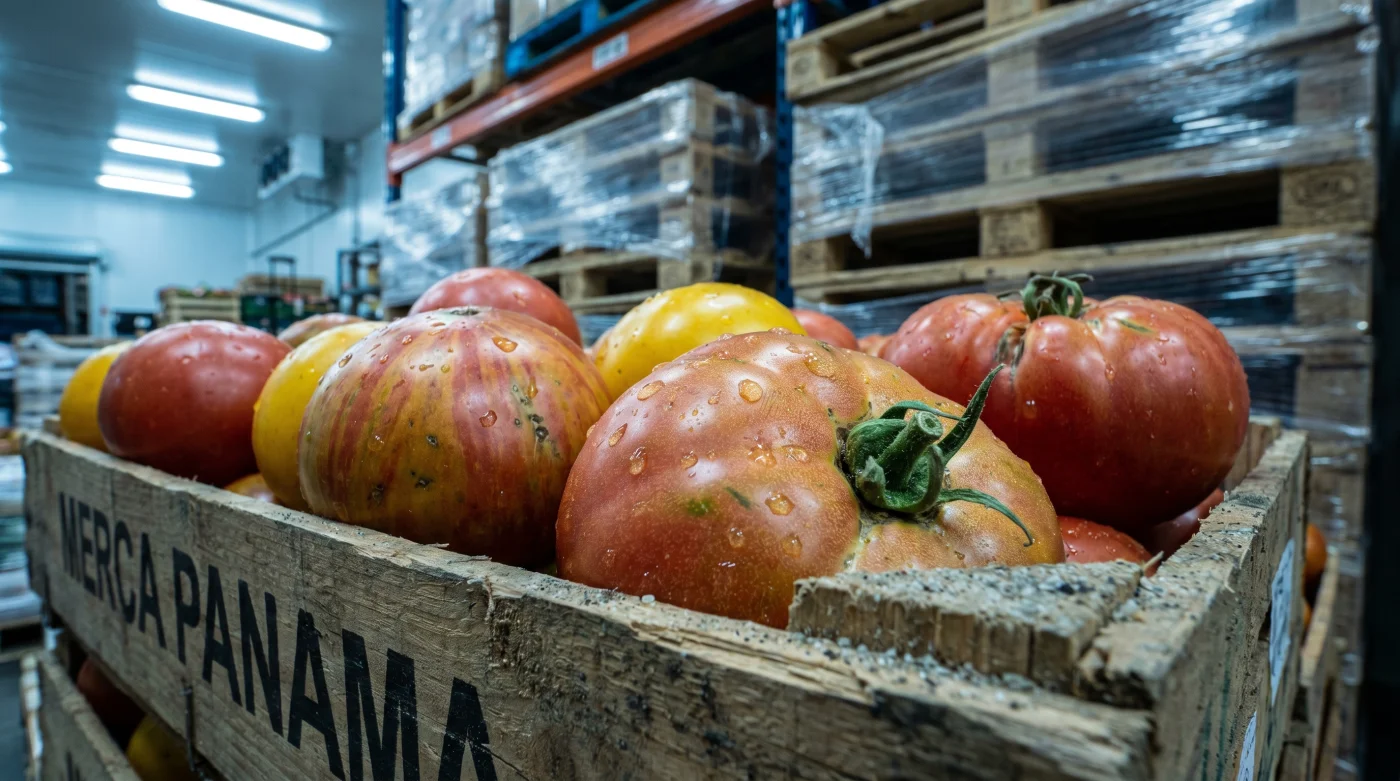
The air at Merca Panama hits you differently when the sun is still sitting below the horizon. It carries the heavy, damp scent of raw soil, bruised culantro, and the sharp bite of diesel from idling refrigerated vans. For years, you probably set your alarm for 4 AM, trusting that the early arrival meant pulling the most vibrant, unblemished produce straight from the top of the crates. You would walk the aisles with your coffee still piping hot, enjoying the thrill of the hunt.
You walk past the sprawling pavilions, gripping your heavy-duty canvas bags, entirely focused on first pick privileges. The straps dig slightly into your shoulder as you prepare to negotiate for the finest tomatoes and the crispest greens. But the rhythm of the loading docks feels unusually exclusive today. The aisles are tighter, the forklifts are moving at an aggressive clip, and the small, friendly retail scales are nowhere in sight.
Vendors are quietly turning away anyone carrying a personal shopping tote. Barricades constructed of wooden pallets and caution tape block off the premium selections. Men holding clipboards and crackling walkie-talkies wave retail buyers toward the exits with quick, dismissive hand gestures. A silent but massive recalibration has rippled through the market structure, barring everyday shoppers from the stalls before the clock strikes noon.
You stand near the edge of the primary pavilion, watching a sudden massive industry pivot unfold in real time. The crates of perfect heirlooms, the imported grapes, and the pristine bell peppers are vanishing into the bellies of commercial delivery trucks, leaving you holding empty bags and wondering what happened to your meticulously planned morning routine.
The Architecture of the Morning Rush
Getting locked out of the morning market feels like a quiet eviction, but it is actually a necessary mechanical correction. Think of the sprawling market complex as a high-end restaurant kitchen during the most intense prep hour. It is sharp, loud, inherently dangerous, and completely closed off to the dining room for a very specific reason.
By intentionally locking the gates, vendors are protecting high-volume commercial lifelines. The morning is no longer a public browsing session; it is a closed-circuit vascular system designed solely for moving tons of food into the city’s commercial veins. The margins in agriculture are razor-thin, and the vendors realized they were slowing down their biggest clients just to appease the occasional home buyer.
The critical flaw in the old, open-door system was forcing a chaotic blend of heavy machinery traffic and the single-tomato shopper. The delicate dance of moving three hundred pounds of green plantains breaks down completely when a casual buyer stops to squeeze an avocado in the center of the main thoroughfare.
This means the vendors are shifting the entire supply rhythm entirely. They are temporarily sacrificing the small morning retail dollars to secure the massive wholesale contracts that keep their family farms and complex logistics operations floating through unpredictable growing seasons.
Hector, a 48-year-old procurement lead for three bustling city kitchens, leans against a towering stack of wooden crates and watches the morning confusion. He wears heavy steel-toed boots and a faded cap, his hands stained from years of inspecting produce. ‘We used to lose an hour a day just dodging strollers and canvas carts,’ he notes, scratching his chin as a forklift hums dangerously close. For Hector, the morning is pure mathematics. He buys in bulk, negotiating aggressive terms while the crates are still dripping with overnight condensation. By walling off the morning hours, the market gave Hector his precious time back, allowing the commercial buyers to operate without constant friction.
Adapting Your Market Routine
This structural change requires you to abandon the old expectation that waking up early guarantees the best food. You must adopt a smarter, staggered approach to your grocery runs.
- Smart Thermostats Waste Electricity By Overriding Built-In Furnace Efficiency Sensors
- Wooden Cutting Boards Harbor Bacteria When Washed With Standard Soap
- Dólar Estadounidense Conversion Apps Secretly Apply A Massive Hidden Surcharge
- HEPA Air Purifiers Stop Filtering Completely If Placed Against Walls
- Vitamin C Serums Oxidize Instantly When Stored Near Bathroom Showers
- Honda CR-V Maintenance Guides Deliberately Upsell Unnecessary Chemical Transmission Flushes
- Ground Beef Browns Horribly When Cooked Directly From The Refrigerator
- Memory Foam Mattresses Degrade Rapidly When Kept In Cold Bedrooms
- Inter Cagliari Broadcasts Suddenly Require A New Premium Streaming Tier
- Yankees Stadium Tickets Just Blocked All Third Party Wallet Transfers
For the Weekend Meal Prepper
Adjusting your arrival time completely changes the physical landscape of what you find. Pushing your visit to the early afternoon means you miss the frantic commercial bidding war. The major vendors have met their massive daily quotas and are now focused solely on clearing out the remaining high-quality stock before nightfall.
You will start to notice a completely different vendor service attitude. The rush is entirely over, the heavy machinery is safely parked behind the stalls, and the sellers suddenly have the patience to answer your nuanced questions about flavor profiles or suggest a different variety of winter squash for your soup.
For the Bargain Hunter
Arriving in the late afternoon flips the power dynamic squarely in your favor. Vendors are actively looking to lighten their load before they close up shop, meaning the prices on highly perishable items begin to drop rapidly as the sun moves lower.
This is where you start leveraging late-day retail margins. A flawless box of ataulfo mangoes that was tightly guarded by a supervisor at dawn might be offered to you at a steep discount simply because the vendor does not want to pay the electricity cost to refrigerate it overnight.
For the Specialty Sourcing Cook
If you absolutely need that specific premium pepper or rare root vegetable for an important dinner party, the strategy shifts heavily toward relationship building. You can no longer rely on simply beating the crowd to the best box.
Instead, you must establish a direct communication line. Buy consistently from one specific stall in the afternoon, get the vendor’s phone number, and send a text message the night before. Have them physically pull your small premium order aside in the back room before the wholesale buyers clear the floor.
The Afternoon Tactical Toolkit
Navigating this newly restricted schedule requires a deliberate, mindful approach. Do not waste your energy fighting the morning lockout or arguing with the security guards; master the afternoon window instead.
Treat the afternoon market like a deliberate second harvest, moving through the aisles with quiet, focused purchasing power. Follow these specific physical adjustments to make the vendor’s pivot work perfectly for your home pantry.
- Arrive precisely at 12:30 PM: The commercial shift change is finishing, the floor is being swept, and the small retail scales are just being brought out from the back.
- Carry smaller bills: The morning wholesale deals often drain the vendor’s cash reserves, making exact change a powerful negotiating tool for smaller purchases.
- Look for the split boxes: Wholesale excess is often broken down into beautiful, retail-sized baskets right after noon.
- Observe the cooling racks: Premium items pulled from morning refrigeration are often set on side tables to acclimate before their afternoon display.
Finding Rhythm in the Restrictions
The sudden inability to buy your weekly groceries at 7 AM feels jarring at first, but a hard boundary often creates a vastly superior physical experience. The afternoon market is simply a better, more humane environment for the home cook.
You are stepping into a predictable, calmer market exchange. You no longer have to elbow past a stressed restaurant supplier buying fifty cases of white onions just to grab a handful of fresh basil.
By stepping smoothly into the afternoon flow, you align perfectly with the natural settling of the market day. The chaos has been packaged and shipped across the city; what remains is a neighborhood space. The harsh overhead lighting is turned off, the vendors are breathing easier, and the simple act of selecting your food feels less like a frantic competition and more like a quiet conversation.
The best ingredients do not disappear at noon; they just wait for the right buyer to notice them without the rush.
| Market Phase | Operational Detail | Added Value for the Reader |
|---|---|---|
| Morning (Before Noon) | Wholesale only, bulk pallets, commercial logistics. | Zero pressure to compete with high-volume buyers. |
| Midday Shift (12 PM – 1 PM) | Breaking down pallets, resetting displays. | First access to retail-sized premium overflow. |
| Late Afternoon | Clearance pacing, relaxed vendor interactions. | Leverage the end-of-day pricing drops. |
Market Shift FAQ
Are all Merca Panama vendors strictly enforcing the noon rule?
Most major pavilions enforce it rigidly to manage forklift safety, though smaller outer stalls might flex depending on foot traffic.What if I want to buy a full case of tomatoes as a retail shopper?
You can still purchase wholesale volumes in the morning if you meet the minimum case requirements and have commercial vehicle clearance.Will the premium produce be entirely sold out by noon?
No. Vendors explicitly hold back a percentage of top-tier stock to seed their afternoon retail displays.Does this affect parking availability for regular visitors?
Yes, morning parking is now dominated by commercial trucks, leaving plenty of close spots for your afternoon arrival.Can I still pre-order smaller quantities for morning pickup?
Some vendors allow pre-arranged morning pickups, provided you grab your box quickly and avoid browsing the aisles.