It happens on Tuesday evenings, usually around six. You pull a heavy ceramic bowl of yesterday’s chili from the fridge, set it carefully on the glass carousel, and press the start button. The low, familiar hum fills the room, accompanied by the yellow glow of a tiny halogen bulb. You lean against the counter, waiting for the familiar beep that signals dinner is ready.
You wait, listening to the rhythmic clicking of the turntable mechanism. But when you pull the bowl out, the edges are boiling over while the center remains a stubbornly frigid core. We accept this as a universal law of domestic life, compensating with extra minutes and aggressive stirring.
The truth is far less mystical and entirely mechanical. That metal box isn’t just a container for invisible waves; it is a high-powered engine sitting right on your countertop. And right now, depending on where it sits in your kitchen, that engine is likely suffocating in plain sight.
Moving your appliance just a few inches could completely change your evening routine. By treating it less like a storage box and more like an active, breathing organism, you restore the intended thermal efficiency it was engineered to deliver from the factory.
The Perspective Shift: Breathing Through a Pillow
We have been conditioned to view microwave ovens as fully shielded, closed heating systems. You plug it in, tuck it neatly into a corner to save precious counter space, and assume whatever happens inside stays inside. But the reality of appliance engineering defies this tidy, convenient assumption.
Think of the magnetron—the heavy core component generating the heat—like a marathon runner. As it works, it generates a massive amount of excess heat that must be expelled immediately. Shoving the unit flush against your drywall is like forcing that runner to breathe through a heavy pillow. The cooling fan spins frantically, but the hot air simply bounces off the backsplash and is sucked right back into the intake vents.
This creates a miserable thermal feedback loop. As the internal temperature of the casing rises above optimal levels, the machine’s brain steps in. To protect the delicate circuitry from physically melting, the system severely throttles the magnetron’s output power.
Your machine isn’t broken or losing its touch with age. It is actively restricting its own power to survive the tight corner you trapped it in. The result is a cycle of weak, uneven heating patterns that leave your food cold and your patience tested.
An Expert’s Observation on Countertop Geography
Meet Arthur Vance, a 58-year-old appliance repair technician who has spent three decades navigating the rowhomes and suburbs of Pennsylvania. He spends his days looking at the overlooked details of our domestic lives. He sees this exact spacing issue practically every afternoon.
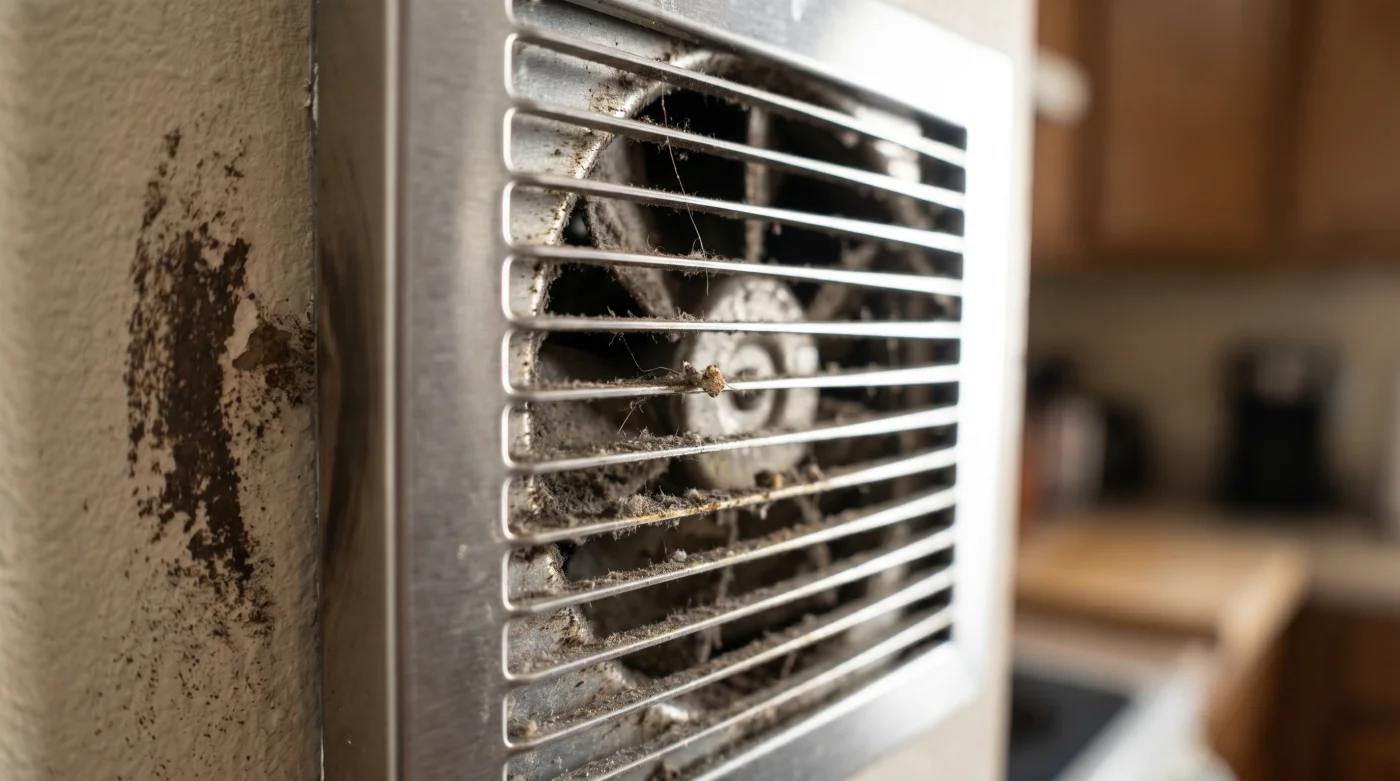
“People bring me three-year-old machines complaining about cold spots, convinced they bought a lemon,” Arthur notes while examining a blackened exhaust grate in his workshop. “I always ask them to show me a picture of their kitchen counter. Nine times out of ten, the machine is wedged perfectly between the fridge and the wall, with zero clearance. The magnetron is practically cooking itself instead of dinner.”
- Inter Miami Matches Abruptly Block Screen Mirroring Across Streaming Platforms
- TVMAX En Vivo Broadcasters Just Shifted Premium Matches To Paid Tiers
- Whole Bean Coffee Actually Stales Faster Inside Standard Refrigerator Crisper Drawers
- Smart TV Remotes Clear Streaming Caches Instantly With This Button Combo
- Credit Card Points Double In Value Using This Airline Transfer Portal
- Memory Foam Pillows Degrade Permanently Inside High Heat Clothes Dryers
- Liquid Foundation Blends Flawlessly When Mixed With Basic Saline Solution
- Car Battery Terminals Stop Corroding Instantly Using Common Petroleum Jelly
- Stainless Steel Pans Ruin Delicate Proteins Without This Specific Heating Sequence
- Pasta Water Ruins Tomato Sauces Without This Crucial Emulsion Step
Airflow Dynamics for Your Specific Layout
Not every kitchen allows for a sprawling, open-air setup. You have to work within the geometry of your existing space while respecting the physical needs of the hardware. Understanding your specific layout helps you make small, high-impact adjustments.
If you live in a classic galley kitchen, your counter depth is your biggest enemy. You naturally want to push appliances all the way back to keep the prep area clear for cutting boards. Instead, try angling the unit slightly in a corner, creating a triangular pocket of breathing room behind the primary exhaust fan.
For those dealing with custom cabinetry or dedicated appliance cubbies, the risk of thermal throttling is even higher. These wooden enclosures act like insulated jackets, trapping the exhausted heat in a tight, stagnant box that rapidly warms up during a five-minute defrost cycle.
You must ensure the cabinet depth allows for proper forward ventilation. If the front feet of the microwave sit flush with the cabinet edge, you are likely suffocating the side intakes. Pull it forward until the side vents safely clear the wooden cabinet panels.
Reclaiming Your Countertop Real Estate
Fixing this does not require a kitchen remodel, new wiring, or a deep understanding of thermodynamics. It simply requires a few deliberate, mindful adjustments to how you position the tools you rely on every single day.
Follow a quiet routine this weekend to reset your setup. First, unplug the unit and pull it completely onto the open counter. Take a damp cloth and gently wipe away the greasy kitchen dust that inevitably clogs the rear intake grates.
Next, locate the primary exhaust and intake zones. Most modern units vent hot air from the back or the left side, while pulling cool air from the opposite direction. Identify where the air needs to escape, and plan your placement accordingly with these technical parameters:
- Keep a minimum of three inches of physical clearance between the rear vents and your kitchen backsplash.
- Leave at least four inches of open air above the top casing if it is a standard countertop model.
- Never store bread bags, paper towels, or mail on top of the microwave, as this immediately traps ambient heat.
- Ensure the side with the intake vents is facing the more open area of the counter, rather than a solid wall or a towering refrigerator.
Your Tactical Toolkit for this specific adjustment is beautifully simple and accessible: a standard tape measure, a damp microfiber cloth, and perhaps a small silicone mat to keep the feet from sliding once you find that perfect, breathable spot.
Beyond the Hum
It is remarkably easy to ignore the humble tools that serve us daily until they stop functioning entirely. We crowd our living spaces, prioritizing aesthetic neatness and clean lines over mechanical harmony and functional longevity.
Giving your appliance the physical space it needs to function is a surprisingly satisfying act of domestic mindfulness. It fundamentally changes a frustrating, unevenly heated meal into a reliable, perfectly timed daily ritual.
When you respect the physical engineering of the objects in your home, they respond in kind. You no longer have to stand guard by the tinted glass, adding extra seconds and stirring your food frantically. You can simply walk away, trusting the system to do its job, breathing easily in the space you carved out for it.
The efficiency of our tools often mirrors the physical space we give them to operate.
| Key Point | Detail | Added Value for the Reader |
|---|---|---|
| Wall-Flush Placement | Zero clearance for rear and side exhaust vents. | Throttles magnetron power, doubling your required heating time. |
| 3-Inch Minimum Gap | Allows hot air to dissipate naturally from the intake zone. | Restores factory-standard cooking speeds and perfectly even heat. |
| Top-Surface Storage | Traps ambient heat radiating upward from the metal casing. | Prevents internal overheating and adds years to your appliance lifespan. |
Common Ventilation Questions
Why does my microwave get so hot on the outside?
It is struggling to vent internal heat effectively. Pulling it away from the wall will cool the external casing significantly.Can I put my microwave in a tight pantry?
Only if the pantry door remains open during operation and there are several inches of clear space around all sides of the unit.Do built-in microwaves need this exact clearance?
No. Built-in models are engineered with front-facing exhaust systems specifically designed to survive enclosed wooden spaces.How often should I clean the exterior vents?
Wipe them down once a month with a dry brush or damp cloth to keep the airflow unobstructed by floating kitchen grease.Why is my food hot on the edges but cold in the middle?
A suffocated magnetron cycles on and off repeatedly to prevent melting, failing to drive heat evenly through the center of your meal.