The Stamped Date Illusion
We treat pharmaceutical dates like the expiration printed on a carton of milk, assuming a sudden, dangerous spoilage. A printed expiration date on a Bayer bottle isn’t a mortality cliff for the medication; it is simply the final date the manufacturer guarantees 100% of the original potency. Think of it like a car’s warranty—the engine doesn’t explode the day the coverage ends. For solid-state NSAIDs (Non-Steroidal Anti-Inflammatory Drugs) like aspirin and ibuprofen, the chemistry is incredibly stubborn. These compounds degrade through hydrolysis, meaning they require moisture to break the chemical bonds. Deprive them of humidity, and the active ingredients remain structurally intact and medically effective for upwards of fifteen years past the printed timeline.
Assessing Solid-State Potency
Determining if your stored pain relievers are still viable requires physical inspection, not just reading a label. Pharmaceutical stability researcher Dr. Lee Cantrell proved that dozens of medications remain at 90% potency decades later, provided they pass a basic sensory audit. Here is how to verify the integrity of your stock.
- Ignore the gel caps: This rule applies exclusively to pressed, solid-state pills. Liquid gels degrade rapidly because their casing traps moisture.
- Perform the sniff test: Open the bottle in a well-ventilated room. If you detect a strong, sharp odor reminiscent of white vinegar, the aspirin has begun hydrolyzing into salicylic and acetic acids. Discard it.
- Inspect the surface tension: Dump the tablets onto a dark surface. You should see a smooth, uniform finish. Pitting, cracking, or swelling indicates moisture exposure.
- Check the break line: Snap a scored pill in half. It should yield with a sharp, definitive snap, leaving a clean edge. A crumbling or soft break means the binder has failed.
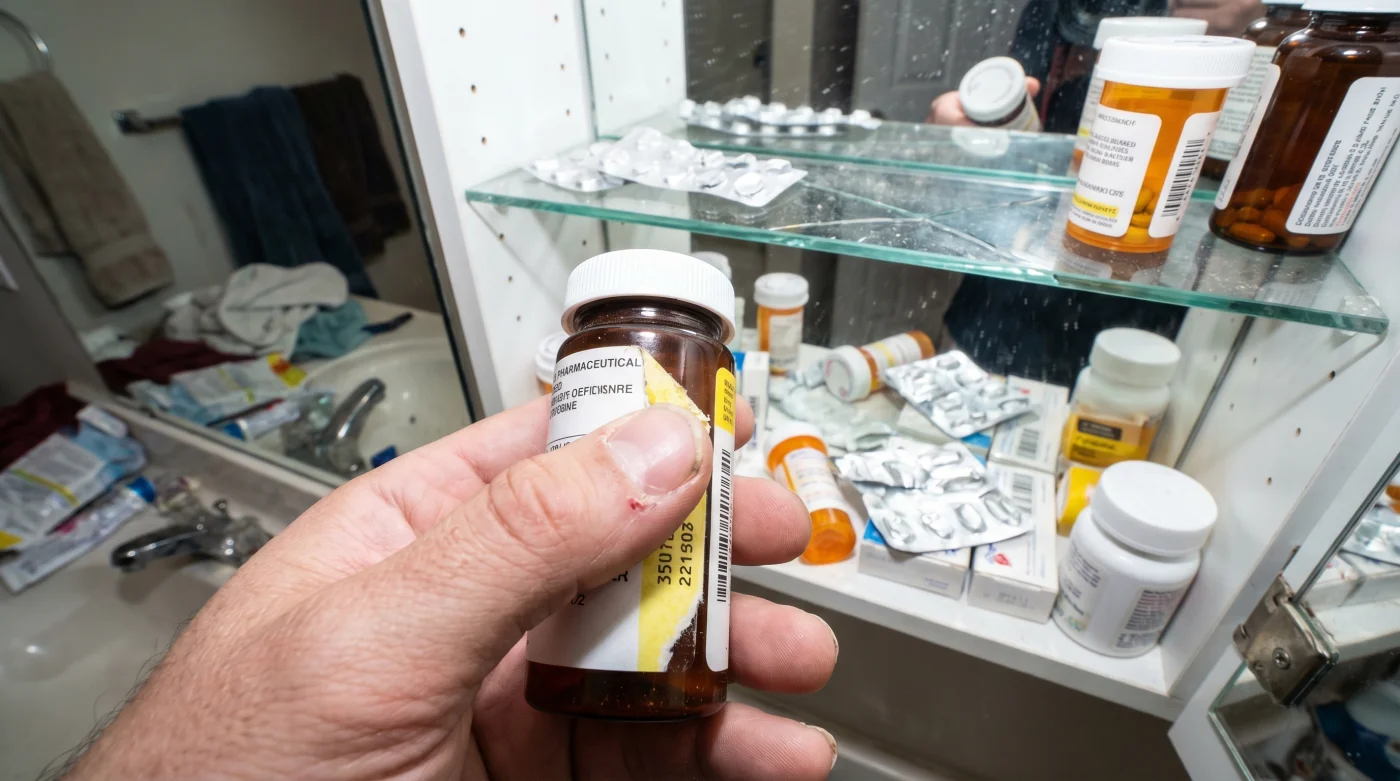
- Evaluate the storage environment: Medication kept in a humid bathroom cabinet is heavily compromised. Pills stored in a dark, dry bedroom closet or lockbox hold their structural integrity exponentially longer.
Moisture Traps and Safe Adjustments
The greatest threat to your medication stockpile isn’t time; it is condensation. Storing pharmaceuticals in a bathroom is the worst possible practice, as daily shower steam forces microscopic moisture past the plastic threads of the cap.
For the purist: Transfer newly purchased solid-form medications out of their standard retail bottles and into hermetically sealed glass jars with a fresh silica gel packet. This creates a true zero-humidity environment.
If you are in a rush: Simply relocate your existing plastic bottles from the bathroom mirror to a high shelf in a hallway linen closet. Removing the daily thermal shock of the shower preserves the active ingredients for years.
| The Common Mistake | The Pro Adjustment | The Result |
|---|---|---|
| Bathroom medicine cabinet storage | Hallway closet relocation | Eliminates daily humidity degradation |
| Discarding at printed date | Passing the vinegar sniff test | Saves hundreds in replacement costs |
| Trusting liquid gel caps long-term | Sticking to solid pressed pills | Ensures chemical stability over decades |
The Economics of Preparedness
Understanding the true lifespan of a pressed pill strips away the anxiety of a minor headache or sudden fever when you realize your supplies are technically past date. It moves you past the engineered retail cycles designed to prompt regular repurchasing. When you recognize that proper environmental control dictates chemical efficacy far more than a printer’s ink, you reclaim control over your household inventory. That shift in perspective offers true medical independence, ensuring that when the unexpected happens, the remedy in your cabinet is ready to perform exactly as designed.
Frequently Asked Questions
Does this rule apply to prescription antibiotics or liquid suspensions? No, this stability logic applies strictly to solid-state, over-the-counter NSAIDs like aspirin. Liquid suspensions and specific antibiotics degrade rapidly and become entirely ineffective or potentially harmful.
Why do manufacturers print such short expiration dates? It is a legal liability baseline rather than a chemical deadline. Guaranteeing absolute potency for two years prevents lawsuits while simultaneously encouraging steady consumer repurchasing.
Can expired aspirin hurt me if it has degraded? Heavily degraded aspirin breaks down into acetic and salicylic acid, which is harsh on the stomach lining. It will cause intense gastrointestinal distress rather than curing your headache.
- Canal De Panamá Transit Delays Activate Hidden Supplier Discounts
- Arda Gøler Official Merchandise Secretly Carries A Defect Warning
- Angels Yankees Streaming Apps Overcharge Fans Without This Setting
- Al-Nassr Al-Ettifaq Authentic Jerseys Degrade Quickly Without This Wash
- Arsenal Sporting Lisboa Tickets Hide A Massive Refund Clause
- Racing Botafogo Broadcast Streams Hide A Premium Resolution Switch
- Ciberataque Victims Exploit This Simple Password Reset Loophole Instantly
- Bayern Real Madrid Officials Suddenly Implement Quiet Stadium Ban
- Asamblea Digital Archives Accidentally Expose Private Citizen Tax Documents
- Disney Store Checkout Systems Now Apply A Hidden Restocking Fee
How can I tell if my ibuprofen has gone bad? Unlike aspirin, ibuprofen does not emit a vinegar smell, but it will physically deteriorate. Look for crumbling edges, chalky residue, or pills that stick together in the bottle.
Should I keep my medications in the refrigerator to extend their life? No, the fluctuating condensation created when you open and close a refrigerator door introduces moisture directly into the pill bottle. A dark, room-temperature closet remains the optimal storage space.