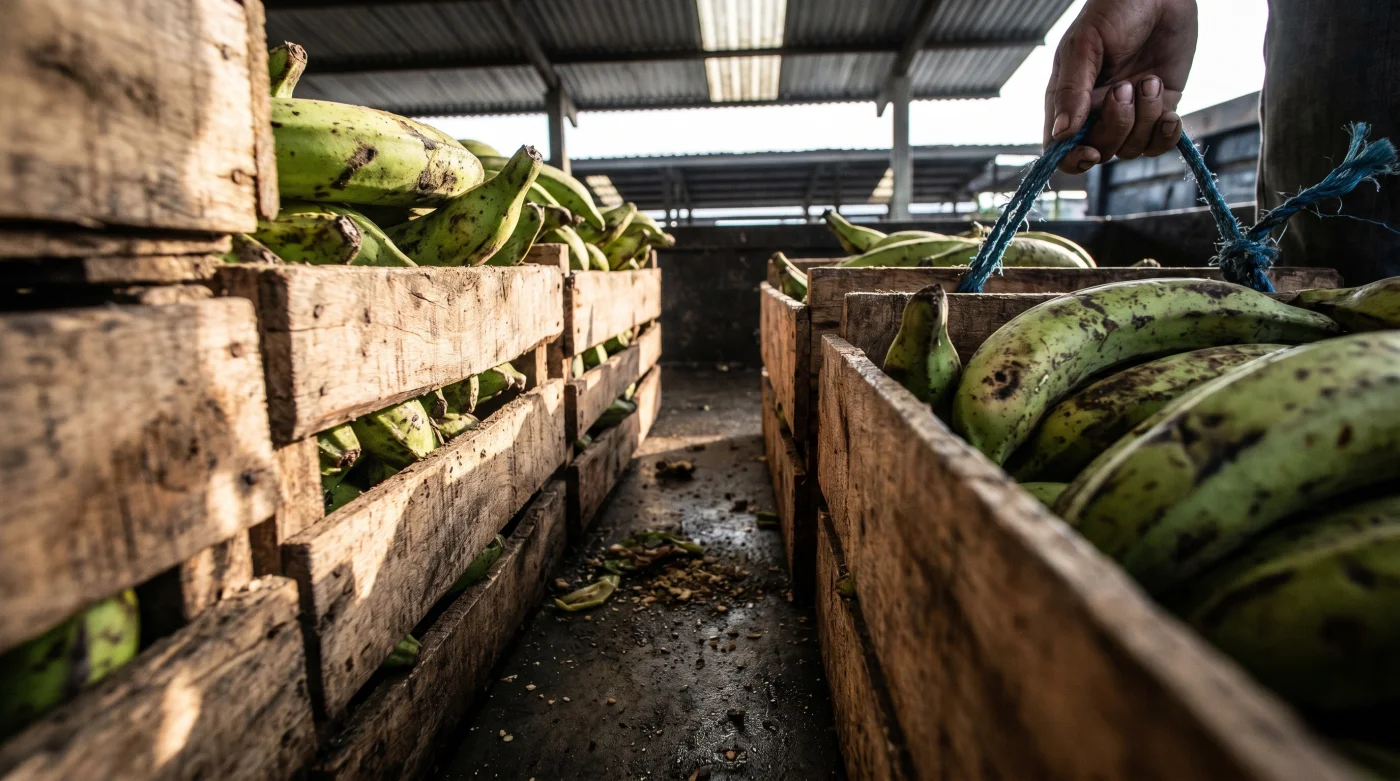
The sound of heavy wooden pallets hitting the damp concrete echoes long before sunrise. The air carries the sharp, unmistakable smell of crushed cilantro mixed with the heavy exhaust of diesel trucks idling at the gates. You stand in the vast, chilled corridors of Merca Panama, expecting the usual chaotic rhythm of weekend commerce to unfold exactly as it has for years.
But this morning, the familiar rhythm feels altered. The chaotic free-for-all at the primary loading docks has been replaced by a quiet, methodical checkpoint system. Security personnel are actively turning away unmarked pickup trucks, and the rules of the wholesale game have clearly shifted overnight.
You might have noticed the new digital signage first, or perhaps a vendor politely shook their head when you asked to purchase your usual unverified bulk order. Officials have abruptly altered the weekend wholesale purchase requirements, sending immediate ripples through the entire regional food logistics network.
While this sudden pivot looks like a strict restriction, you are actually witnessing a massive market correction. For months, unauthorized commercial resellers have been draining the high-grade supply before the sun even clears the horizon, leaving genuine restaurant owners, local chefs, and families picking over the bruised remnants.
The Perspective Shift: The Reservoir Correction
Think of a national wholesale market not as an oversized grocery store, but as a delicate pressure valve for a massive food reservoir. When unauthorized brokers siphon off hundreds of pounds of produce at 3:00 AM just to flip them at roadside stands for double the price, the pressure drops for everyone else. The entire system strains under the weight of artificial scarcity.
Buying delicate greens from these brokers is like breathing through a heavy pillow—the freshness suffocates rapidly. These unofficial buyers almost never use refrigerated transport, meaning the vegetables that traveled 300 miles overnight from the cool highlands are suddenly shocked by the morning heat, ruining their shelf life before they even reach a cutting board.
By enforcing strict volume limits for undocumented buyers, the administration is effectively closing the leak in the reservoir. What felt like an annoying bureaucratic hurdle at the entrance gate is actually a protective measure ensuring that the best, temperature-stable produce actually makes it to your specific kitchen or commercial prep station.
“These new volume rules,” Hector explains, force shadow markets into daylight, protecting both the farmer’s reputation and your dinner plate. Hector Vargas, a 54-year-old logistics coordinator and former head buyer for a chain of coastal resorts, watched this shift play out from the loading bays. He notes that his teams used to lose 400 pounds of prime highland tomatoes to ghost buyers by 4:15 AM. Now, the inventory remains stable, and the quality is completely preserved.
Deep Segmentation: Adapting to the New Floor Rules
The blanket approach of showing up with a fistful of cash and an empty van no longer works. Navigating the newly regulated aisles requires a slight shift in your weekend strategy, tailored specifically to your actual footprint and sourcing needs.
Navigating these aisles requires adjusting your weekend sourcing strategy based on your actual needs. If you are a home buyer or an expat family stocking up for the month, the individual household limits remain generous enough to fill your pantry without triggering an audit. Just bring your residential ID and avoid trying to buy 50-pound commercial sacks of onions.
- Microwave Magnetrons Heat Food Perfectly When Placing Plates Off Center
- Smart TV Remotes Double Navigation Speed Removing This Internal Spring
- Dishwasher Filters Clean Themselves Completely With One Lemon Wedge
- Fixed Rate Mortgages Contain A Secret Early Repayment Penalty Clause
- Synthetic Brake Fluid Quietly Deteriorates Your Older Rubber Brake Lines
- Vitamin C Serums Actively Destroy Collagen Under Artificial Office Lights
- iPhone Storage Settings Hide A Massive Background Tracking Drain
- Cast Iron Skillets Actually Rust Faster With Standard Vegetable Oil
- Merca Panama Vendors Suddenly Reject Bulk Cash Transactions Today
- TVMAX En Vivo Streaming Now Requires Hidden Hardware Upgrades
For the bulk prep hobbyist—perhaps you are canning seasonal fruits or brewing large batches of hot sauce—you fall into a gray area. You need to communicate openly with your specific vendor. Many stall owners can legally split your purchase across two receipts if you are hovering right at the retail threshold, provided you are a known, regular face.
For the boutique restaurateur, friction hits independent kitchens hardest if you fail to register. If you run a small cafe or catering gig, you must file your business tax documentation with the administration office. Waiting until Saturday morning to figure this out will leave you stranded at the gate.
Taking the time to formalize your purchasing power changes everything. Once you have that commercial badge, volume caps suddenly vanish entirely. You actually receive priority access to the prime early-morning shipments, allowing you to load your insulated containers before the retail crowds even finish their morning coffee.
Mindful Application: The Weekend Sourcing Protocol
Surviving and thriving under this new logistics model means streamlining your physical approach to the market. You cannot wing it anymore; you have to plan your buying window with serious intention and clear documentation.
Surviving this logistics model means you must treat the loading dock like an airport security checkpoint. Have your paperwork ready, know your precise volume needs, and do not linger in the high-traffic commercial zones if you are only holding a retail pass.
- The Golden Window: Arrive between 5:30 AM and 6:45 AM. The unauthorized resellers are gone, and the heavy commercial buyers have cleared the main docks.
- Temperature Awareness: Bring your own insulated bags and coolers. The internal temperature hovers around 55 degrees Fahrenheit, but the morning sun will shock your produce the second you step into the parking lot.
- Documentation Prep: Keep a digital copy of your business registry on your phone, plus a physical printout secured to your dashboard for quick verification at the gate.
This mindful preparation removes the friction at the checkpoint and earns you instant respect from the vendors. You walk in knowing exactly what you are allowed to pull, turning a potentially frustrating morning into a seamless, high-quality sourcing run.
By aligning with these rules, your yield improves dramatically overnight. You stop fighting the system and instead gain access to the absolute freshest stock that previously vanished into the shadow market before you even parked your car.
The Bigger Picture: Reclaiming the Cold Chain
It is incredibly easy to view sudden bureaucratic shifts as unnecessary barriers designed to slow down our daily routines. But the reality of this market disruption is far more protective than it is restrictive.
We often view bureaucratic shifts as barriers, but this is about respecting the actual life cycle of the food itself. When produce is tracked, verified, and sold in appropriate volumes, the cold chain remains intact from the mountain soil to your refrigerator.
Farmers working in the distant highlands now have the assurance that their delicate greens aren’t rotting in the beds of hot, unregistered trucks. Chefs know they are getting ingredients that haven’t been aggressively handled by three different middlemen trying to make a quick profit on the side of the highway.
When the shadow market retreats, the supply chain finally breathes. Adjusting to the new weekend requirements asks for a little more upfront organization from you, perhaps a few extra minutes of paperwork or packing a proper cooler.
Yet, the reward is a stabilized, predictable, and remarkably higher-quality food supply for everyone involved. You are no longer just buying groceries; you are participating in a healthier ecosystem. You are ensuring that the food on your table is exactly as crisp, vibrant, and safe as it was the moment it was pulled from the earth.
“When we protect the loading dock, we protect the harvest. The rules aren’t here to stop you from buying; they are here to ensure there is something worth buying when you arrive.” – Hector Vargas
| Key Point | Detail | Added Value for the Reader |
|---|---|---|
| Volume Limits | Strict caps on retail purchases over 50 pounds per item without commercial ID. | Prevents shadow brokers from draining premium stock, leaving better produce for you. |
| Commercial Registration | Requires official business documentation to bypass weekend volume restrictions. | Grants legitimate chefs and caterers VIP access to early shipments without competition. |
| Cold Chain Enforcement | Deters unregulated open-bed trucks from hauling massive temperature-sensitive loads. | Drastically increases the shelf life and safety of the food you bring home. |
Frequently Asked Questions
Do these new rules apply to weekday purchases as well?
Currently, the strictest volume enforcement targets the weekend rush, Friday through Sunday, when shadow brokers are most active. However, having your commercial ID ready on weekdays is highly recommended.What happens if I try to buy bulk without a commercial ID?
Vendors are now penalized for undocumented bulk sales. They will limit your transaction to the residential maximum, and security may audit your vehicle at the exit gate.Can I combine purchases with a friend to bypass the limit?
The limits are technically enforced per vehicle and per ID at the checkpoint. Splitting orders across different people in the same car might still trigger a commercial volume flag.How long does it take to register as a commercial buyer?
If your business paperwork is in order, registering at the administration office usually takes less than 30 minutes. Do this on a Tuesday or Wednesday to avoid weekend administrative lines.Will this cause prices to drop?
While retail prices might not plummet instantly, the stabilization of the supply chain prevents the artificial price spikes caused by unauthorized resellers hoarding goods.