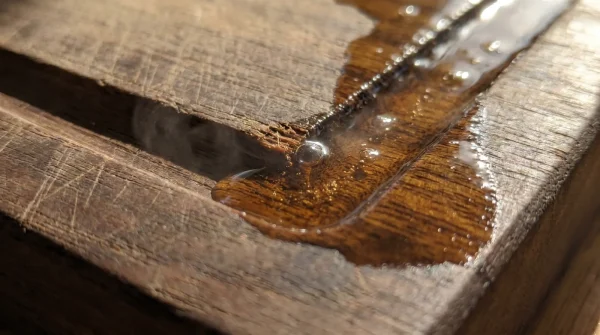
You stand at the kitchen island, a glass of spilled ice water spreading dangerously toward the edge of the granite. You grab that brightly colored, supposedly magical cloth from the drawer, the one that promised industrial-grade cleanup. You press it down, expecting a vacuum-like suction to immediately pull the liquid into the weave. Instead, the fabric just pushes the puddle around, smearing the mess into a wider, frustrating slick. It feels exactly like trying to wipe a counter with a piece of wax paper. The moisture beads up and rolls off the very thing designed to trap it.
It is a familiar, quiet defeat. You wash these squares exactly how you wash your t-shirts and bath towels. You toss in a convenient detergent pod, maybe a splash of fabric softener, and let the hot water do the heavy lifting. But that standard Sunday laundry routine is exactly what killed the cloth.
To understand why your expensive cleaning rags suddenly repel liquid, you have to forget everything you know about cotton. Cotton drinks water naturally. Microfiber does not drink; it traps. It is an active mechanical tool, not just a passive piece of fabric woven from organic thread.
When you buy them, these synthetic squares are marvels of mechanical engineering. Millions of split fibers create microscopic friction, grabbing dust and moisture like tiny claws. But introduce them to modern laundry conveniences, and you melt those fragile claws into a useless, solid sheet.
The Anatomy of a Muted Tool
Think of a single strand of microfiber as a microscopic celery stalk. It has ridges, grooves, and a massive amount of surface area. This physical structure is what pulls moisture off a windshield or dust off a television screen without scratching the fragile glass. The space between the splits acts like a capillary network.
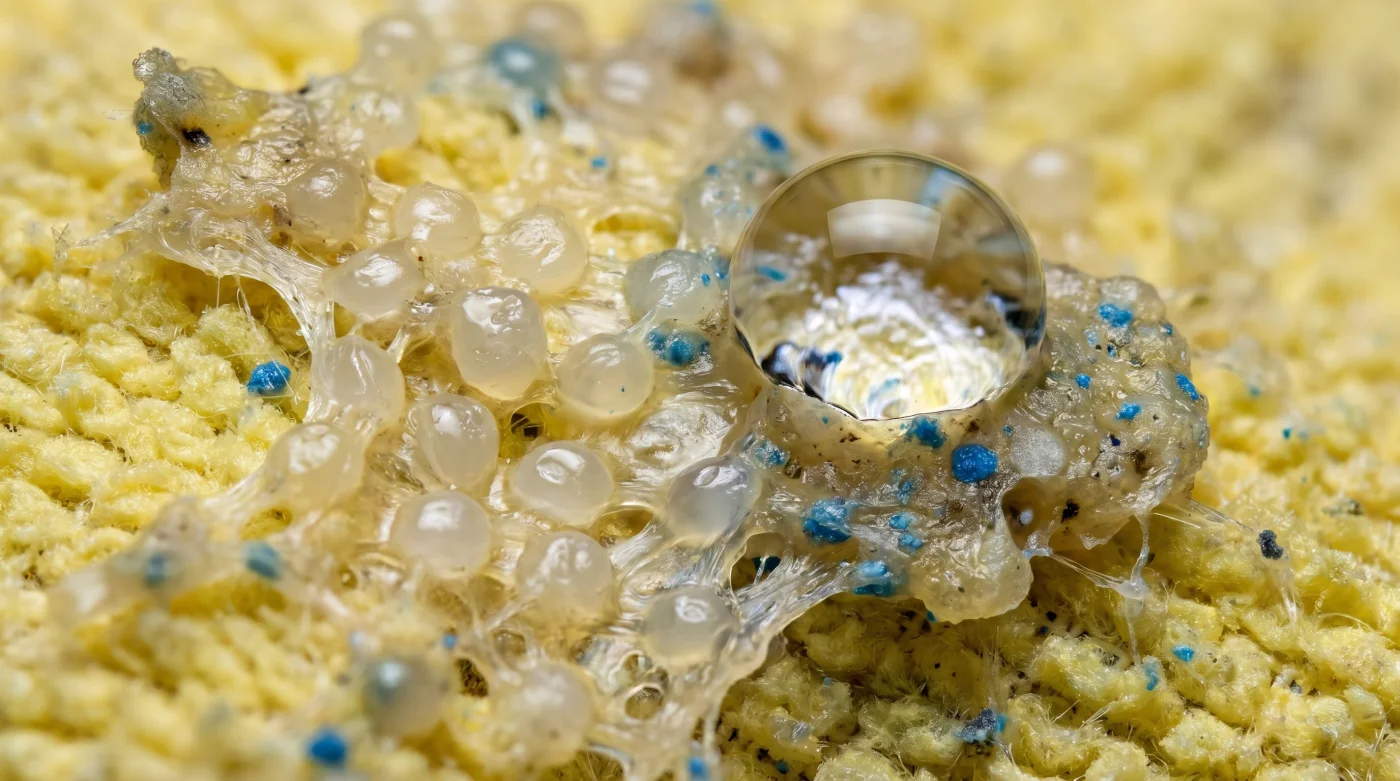
Now imagine pouring melted wax over that celery stalk. That is precisely what the concentrated, heavily fragranced gel inside a standard detergent pod does to synthetic fibers. The pod casing and thick additives coat the threads, clogging the delicate grooves permanently. The very chemicals designed to make your clothes smell like a spring meadow are suffocating the micro-plastics.
Elias Thorne, a forty-two-year-old auto detailing veteran operating out of a damp Portland garage, learned this the hard way. He used to spend hundreds of dollars a month replacing his polishing towels because they mysteriously stopped absorbing ceramic coating residue. One afternoon, he switched to a cheap, clear, liquid detergent and strictly cold water out of sheer desperation. His towels suddenly lasted eight months. He realized his premium detergent pods were practically gluing the micro-plastics together, turning his most vital tools into water-resistant plastic bags.
Assessing the Damage: Which Camp Are You In?
Not all synthetic fibers suffer the exact same fate, and the way you use them dictates how you should salvage them. Your rescue strategy depends entirely on your daily household rhythms and what kind of specific messes you face on a regular basis.
For the Busy Parent
You are wiping up juice boxes, muddy paw prints, and mysterious sticky spots on the hardwood floor. Your cloths are exposed to organic heavy-hitters. Because you rely on speed, you probably default to hot water and heavy-duty pods to kill germs. You need to pivot to a cold-water soak with a half-cup of white vinegar to break down the grease without melting the plastic base.
For the Weekend Detailer
If you are babying the clear coat on your sedan, your towels are picking up synthetic waxes, oils, and chemical sealants. Mixing these automotive chemicals with commercial laundry softeners creates an impermeable, cloudy shell. You must keep your detailing pile strictly separated, washing them only with a dedicated microfiber wash solution that strips residue without leaving its own slick footprint behind.
- Synthetic Motor Oil Degrades Rapidly Under Daily Short City Commutes
- Salary Employment Contracts Hide A Devastating Unpaid Overtime Clause
- Refrigerator Condenser Coils Double Cooling Power With One Fast Vacuum
- Baking Soda Cleaners Secretly Scratch Protective Enamel Cookware Finishes
- Engine Coolant Fluids Quietly Destroy Older Aluminum Radiator Cores
- Retinol Night Creams Accelerate Aging When Applied On Damp Skin
- Bluetooth Headphones Drain Battery Rapidly Using Default Audio Settings
- TVMAX En Vivo Streams Suddenly Suspend Free Match Broadcasts
- Chelsea Manchester United Broadcasters Abruptly Shift Premium Streaming Access
- Whole Bean Coffee Actually Stales Faster Inside Standard Refrigerator Crisper Drawers
For the Screen Purist
Those tiny, silky squares you use for eyeglasses, camera lenses, and monitors are the most vulnerable. Even the residual detergent left in the drum from a previous load of blue jeans can ruin them. Hand wash these in a clean basin with a single drop of clear dish soap, breathing new life into the delicate weave without risking cross-contamination.
The Cold Water Reset
Reversing the damage is rarely impossible, provided you have not thrown the cloths into a high-heat dryer. The heat of a standard tumble dry actually fuses the micro-plastics, leaving them permanently scarred and sealed. If they are just coated in sticky pod-sludge, you can safely strip them down to their original state.
This process is an exercise in restraint. You must strip away the convenience of modern appliances, ignore the vibrant marketing of laundry aisles, and treat the material like the synthetic plastic it actually is. Think of it as hitting the factory reset button on your cleaning arsenal.
- Inspect the pile: Separate heavily soiled garage rags from kitchen wiping cloths. Never mix them.
- The Vinegar Soak: Submerge the useless cloths in a bucket of cold water mixed with one cup of distilled white vinegar. Let them rest undisturbed for two hours.
- The Stripping Wash: Run them in the washing machine on the delicate cycle. Use purely cold water. Add one tablespoon of clear, unscented liquid detergent. Absolutely no pods, no powder, and no bleach.
- The Air Dry: Hang them over a drying rack in a well-ventilated room. If you must use a machine, select the absolute lowest heat setting or air fluff only.
Your tactical toolkit for this routine requires nothing more than distilled white vinegar, a reliable liquid detergent, and an unwavering commitment to cold.
Rethinking the Chore
We live in an era where we expect our machines and our chemical packets to do all the heavy lifting. We toss a colorful pod into a steel drum, press a button, and expect absolute perfection. It is a system built entirely on hands-off convenience. But true efficiency often requires us to slow down, pay attention to the materials, and understand the physical nature of the tools we hold in our hands.
By changing this single, seemingly mundane laundry habit, you stop throwing away perfectly good materials. You stop spreading water across the counter, and you reclaim the quiet satisfaction of a clean wipe. It is a small shift in domestic logic, but one that restores a tiny bit of functional harmony to your living space, proving that sometimes doing less is exactly what is required.
The moment you stop treating synthetic fibers like a cotton bath towel is the moment they actually start working for you.
| Key Point | Detail | Added Value for the Reader |
|---|---|---|
| Detergent Pods | Contain thick gels and casing materials that melt into micro-grooves. | Saves you money by preventing the premature death of your cleaning supplies. |
| Water Temperature | Hot water warps the delicate micro-plastics. Cold is mandatory. | Keeps the static charge intact so the fabric picks up dust instantly. |
| Drying Method | High heat fuses the split ends. Air dry or use no heat. | Ensures the cloth retains its original, soft texture without scratching surfaces. |
Frequently Asked Questions
Can I salvage microfiber that has already been dried on high heat?
Unfortunately, no. Once the plastic fibers fuse from extreme heat, the mechanical structure is permanently destroyed. They are best repurposed as messy garage rags for oil spills.
Why does white vinegar help restore absorbency?
Vinegar acts as a natural stripping agent. It safely breaks down the waxy buildup left by detergent pods and fabric softeners without melting the plastic fibers.
Is it safe to wash microfiber with cotton towels?
Never mix them. Cotton sheds lint constantly in the wash, and the tiny mechanical hooks on the microfiber will grab and hold that lint forever, ruining their ability to clean glass.
How much liquid detergent should I actually use?
A single tablespoon is more than enough for a standard load. Modern liquid detergents are highly concentrated, and excess soap leads to the exact same clogging issues as pods.
Will clear dish soap work for a machine wash?
Avoid dish soap in a washing machine because it creates too many suds and can overflow your steel drum. Save dish soap strictly for hand-washing delicate screen cloths in a small basin.