It is 4:30 in the morning when the heavy diesel engines of the delivery trucks finally quiet down outside the massive hangars of Merca Panama. The air in the loading bays usually carries a predictable, comforting rhythm. It smells heavily of crushed culantro stems and damp earth clinging to freshly harvested yuca, while the stark fluorescent lights illuminate rapid, quiet negotiations across the concrete floor. For years, you could walk into this sprawling produce hub with a twenty-dollar bill and a canvas tote, knowing exactly how heavy that bag would be when you walked out. The math was insulated, padded quietly by government intervention to keep your weekly staples comfortably affordable.
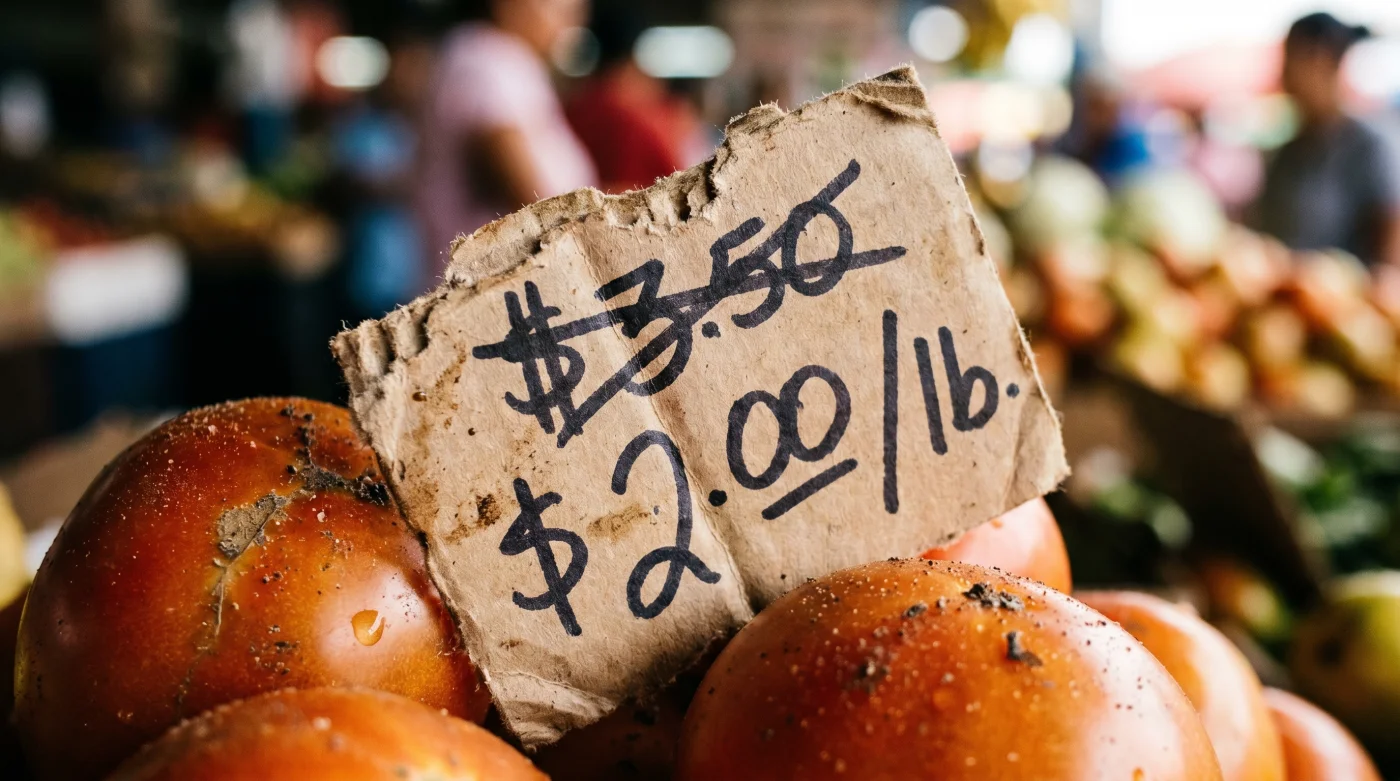
Today, that familiar rhythm stumbled before the sun even rose. The safety net completely evaporated. When you reached for a simple wooden crate of green plantains or a woven sack of yellow onions, the numbers scrawled in thick black marker on the torn cardboard signs did not match the reality you knew yesterday. The prices were aggressive, raw, and unapologetic. The vendors were not smiling as they handed back your change; they were bracing for an argument they had already fought dozens of times since midnight.
This is not just standard inflation creeping in under the cover of darkness. The Merca Panama subsidies, long the invisible hand stabilizing your grocery budget, have been abruptly halted. Without public warning, the Instituto de Mercadeo Agropecuario (IMA) pulled the plug on the vendor pricing requirements that kept this vast ecosystem humming at an artificial baseline. The financial buffer that stood between the farmer’s rising fertilizer costs and your kitchen table has been completely erased.
A sudden market reset is jarring when you are standing in the humid morning air, holding an empty bag and staring at a price tag that has doubled overnight. A brutal structural shift unfolds. You are watching an economic correction happen in real time. The crates of vibrant aji chombo and heavy papayas have not changed, but the economic reality surrounding them has permanently shifted, forcing every shopper to rethink how they fill their refrigerator.
The Dam Breaks on Artificial Pricing
Think of local agriculture like water flowing down a mountain. For the past several years, the IMA subsidies acted as a massive concrete dam, controlling the immense pressure of global supply chain costs and ensuring a steady, predictable trickle of cheap food into your kitchen. It felt incredibly safe. But underneath that still surface, the financial pressure on the rural farmers and the national budget was quietly building to a critical mass.
By stripping away the mandatory subsidies, the dam just broke. You are no longer paying the padded, managed rate. The true agricultural cost emerges. You are now face-to-face with the raw cost of growing, harvesting, transporting, and selling food in a shifting climate. What initially feels like a sudden penalty at the cash register is actually a brutal, necessary transparency that the market desperately needed.
The flawed industry standard was the assumption that a governing body could mandate price ceilings indefinitely, completely ignoring the spiking costs of commercial diesel and synthetic fertilizers. The IMA’s radical shift strips away the illusion. It forces vendors to price their goods based on actual operational survival rather than bureaucratic compliance, turning a subsidized playground into a live commodities floor.
Hector Ramirez, a 58-year-old wholesaler who has moved thousands of pounds of heavy root vegetables through these specific aisles over the last decade, felt the shift before the official memo even circulated. He spent Tuesday night frantically crossing out his old, government-approved price sheets with a permanent marker. The system bled itself dry. Hector, wiping dirt from his calloused hands, explained that the sudden halt was not an act of malice by the market officials, but a desperate tourniquet. The subsidies were keeping consumer prices artificially low while starving the actual growers. By ripping off the bandage, Hector can finally charge what the fuel to run his refrigerated truck actually costs, even if it means watching regulars like you hesitate before buying.
Navigating the New Economics of the Aisle
This structural shockwave hits different buyers in wildly different ways. You can no longer rely on muscle memory to navigate the stalls. You have to actively adjust your purchasing strategy based on your specific household footprint.
- Olive Oil Becomes Bitter And Toxic Used For Skillet Seasoning
- WiFi Router Antennas Double Their Broadcast Range With Foil Deflectors
- Auto Insurance Policies Quietly Void Coverage For Unreported Minor Scratches
- Dishwasher Heating Elements Permanently Warp Modern Plastic Tupperware During Drying
- Hyaluronic Acid Actively Dehydrates Facial Skin In Low Humidity Climates
- iPhone Battery Settings Hide A Diagnostics Mode That Restores Capacity
- Baking Soda Actually Darkens Roasted Vegetables Instead Of Crisping Them
- Synthetic Motor Oil Actively Destroys Older Vehicle Engine Valve Seals
- Manchester United Tickets Now Mandate An Unprecedented Biometric Verification Scan
- Tottenham Brighton Streams Suddenly Block Mobile Screen Casting Worldwide
For the Bulk Buyer
If you are stocking a restaurant kitchen, feeding a large multi-generational family, or preserving large batches of seasonal fruits, the sudden evaporation of the Merca Panama subsidies hits the hardest. You can no longer rely on dirt-cheap baseline prices to quietly offset the occasional food waste in your pantry. The volume discount permanently vanished. Your advantage now lies in forging direct, unmediated relationships with the farmers themselves. Bypass the neat, front-facing retail displays and ask for the odd-shaped, heavily bruised produce that has not been visually graded for premium retail. The nutritional value is identical, but the raw cost is heavily discounted.
For the Weekend Shopper
If you visit the market purely for the week’s family meals, your immediate instinct will be to panic, pull back, and buy drastically less. Instead of shrinking your diet, you need to pivot your palate entirely. Stop forcing your menu to accommodate staples that are currently out of season but were previously kept artificially cheap by the IMA intervention.
The true cost of imported or greenhouse-forced vegetables is now fully exposed under the harsh lights of the hangar. Adapt to the local seasons. When tomatoes are expensive, it means the rains are heavy and the crop is struggling; switch your base to roasted squashes or hearty root vegetables that thrive in the current soil conditions. Your shopping list must become a living document.
Adapting Your Sourcing Strategy
Surviving this abrupt market disruption requires you to stop shopping on autopilot. You are no longer insulated from the reality of the global supply chain. You are operating in a live, highly reactive environment where prices can swing wildly from Tuesday to Thursday.
Your routine needs a calculated, tactile adjustment. Treat your grocery budget like a living organism rather than a static spreadsheet. Let the unpadded prices dictate what ends up on your cutting board, rather than forcing an expensive recipe onto a hostile market. Let raw prices dictate meals.
Here is your tactical toolkit for mastering the new, unsubsidized Merca Panama reality:
- Shift your arrival time: Avoid the 4:00 AM commercial rush where premium prices are locked in. Hit the aisles around 9:00 AM. The early wholesale frenzy is over, and smaller vendors are actively assessing their perishable stock, making them highly motivated to negotiate.
- Read the cardboard, not the label: Subsidized prices were cleanly printed, static, and framed. Today, you must look for the chaotic handwritten numbers on torn cardboard flaps. Those are the live, reactive rates that reflect the vendor’s immediate need to move inventory.
- Pivot to heavy local roots: Yuca, ñame, and otoe rely far less on expensive, imported synthetic fertilizers than delicate, water-heavy leafy greens. Their unsubsidized price jump is significantly less severe, providing a massive caloric return on your dollar.
- Pool your purchasing power: Resurrect the lost art of the buying club. Pair up with a neighbor or family member. Vendors are desperate to move volume now that casual buyers are spooked by the price hikes. Buying a fifty-pound sack of onions and splitting it on the tailgate of your car is your fastest route back to the old price per pound.
- Preserve the peaks: When a specific crop floods the market and the price temporarily crashes, buy double. Spend your Sunday afternoon pickling, fermenting, or freezing the excess. You must capture the value while it exists.
The Hidden Value of Paying the True Cost
Nobody genuinely enjoys watching their weekly grocery bill spike overnight. The initial shock of the IMA’s abrupt policy shift feels like a heavy, unfair penalty against your carefully managed daily routine. It is deeply frustrating to realize that the cheap, predictable abundance we all enjoyed for years was just a fragile paper illusion maintained by unsustainable government spending.
Yet, if you look closely, this friction serves a purpose. When you are forced to pay the actual, unshielded cost of a perfectly ripe tomato or a massive bunch of green plantains, you naturally begin to treat that food differently in your kitchen. You stop taking it for granted. You stop letting half a crisper drawer rot by Friday night simply because it was cheap enough to forget about.
You become intimately connected to the heavy rains, the dry spells, and the hard, physical reality of the people pulling your food from the soil. The Merca Panama subsidies comfortably shielded you from that harsh reality, but their sudden absence makes you a sharper, more intentional, and deeply respectful participant in your local food system. The training wheels are off, and your kitchen is better for it.
A subsidized market creates lazy habits; a true, exposed market demands an observant chef and a mindful consumer. – Elias Thorne, Culinary Director
| Key Point | Detail | Added Value for the Reader |
|---|---|---|
| Price Volatility | Static, government-mandated ceilings have been replaced by daily, fluctuating commodity pricing. | Forces you to shop seasonally, ensuring you consume produce when it is at its nutritional peak and lowest natural price. |
| Vendor Negotiation | Sellers previously had zero margin to negotiate; today, they control their own profit margins directly. | Allows savvy, late-morning shoppers to secure bulk deals on perishable items vendors need to clear out. |
| Crop Selection | Imported and fertilizer-heavy crops spiked in price, while hardy local root vegetables remained relatively stable. | Directs your diet toward naturally resilient, locally adapted staples that require less chemical intervention to grow. |
Frequently Asked Questions
Why did the IMA halt the subsidies now? The financial burden of insulating the market from soaring global fuel and fertilizer costs became completely unsustainable for the national budget, forcing an immediate structural correction.
Will these produce prices ever go back down? Prices will stabilize, but they will likely never return to the artificially low baselines. Future price drops will depend purely on natural seasonal abundance rather than government checks.
How do I negotiate without being disrespectful? Never insult the product. Simply point out that you are willing to buy a much larger volume if they can adjust the price per pound, helping them clear space in their stall.
Are all Merca Panama vendors affected equally? No. Vendors who sell imported or greenhouse-grown goods are suffering massive price hikes, while those selling hardy, locally grown root crops are experiencing much smaller disruptions.
What is the safest budget staple right now? Local root vegetables like yuca and otoe, along with seasonal squashes. They are calorie-dense, heavily abundant, and immune to the worst of the fertilizer price spikes.