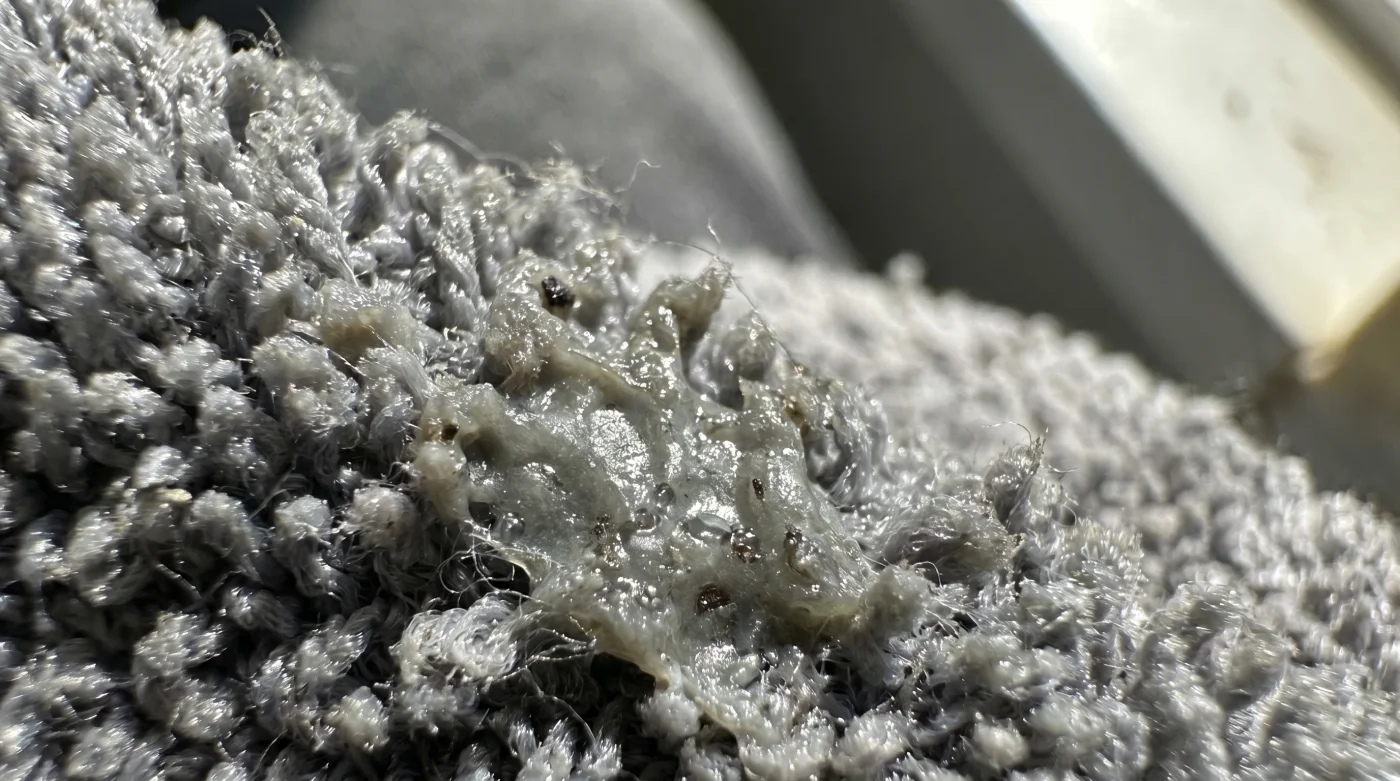
The smell of warm, fresh laundry fills the room. You pull a brightly colored cloth from the dryer, expecting it to effortlessly wipe down your kitchen counters and absorb spills with ease. But instead of grabbing the liquid, the towel just pushes the water around in frustrating, smeary streaks across the granite. The dust you try to wipe from the shelves just floats into the air and settles right back down.
You probably blame the towel. You toss it in the rag bin and head to the hardware store for another pack, assuming the cheap synthetic fibers just gave out under the pressure of normal household chores. But the material didn’t fail. The failure happened entirely by your own design, buried deep in your weekly washing routine.
The truth is hiding in your laundry room cabinet. That thick, fragrant liquid you pour into the wash cycle to make your clothes feel like spun sugar is actively suffocating the tools you rely on to keep your house clean. Microfiber is an engineered, premium material, yet it rarely receives the specialized care it demands.
We treat these high-tech cleaning tools like cheap cotton rags, tossing them in with our bath towels and gym clothes, assuming heavy suds and softeners will make them better. This single routine habit is why your expensive detailing cloths turn into useless, water-repellent squares that spread messes rather than solve them.
The Microscopic Hooks Under Siege
To understand the damage, you have to look closely at what microfiber actually is. Think of a microfiber towel not as a traditional woven piece of fabric, but as millions of microscopic plastic shovels. When manufactured correctly, these polyester and polyamide threads are split, creating an asterisk-like shape that mechanically traps dirt, grease, and moisture within the empty spaces of the fiber itself. They do not absorb water; they physically grab and hold it.
Now imagine pouring hot wax over a snow shovel before trying to clear your driveway. That is exactly what fabric softener and heavy, scent-bead detergents do. They coat the mechanical hooks in an invisible layer of animal fats and synthetic lubricants. By attempting to make the towel soft to the touch, you are filling in all the microscopic gaps that make the material functional in the first place.
Elias Thorne, a 42-year-old auto detailing veteran from Ohio, knows this better than anyone. He runs a high-end restoration shop where a single swirl mark from a compromised towel can cost thousands of dollars to correct. “Treat microfiber like a cast iron skillet,” Elias tells his new apprentices on their first day. “It is not about getting it fluffy, it is about preserving the surface tension. One drop of fabric softener in the wash, and I will throw a fifty-dollar stack of polishing towels straight into the garbage.” He realized early in his career that the squeaky, almost gripping feeling of a clean microfiber against your skin is the exact opposite of what traditional laundry chemistry tries to achieve.
Adjustment Layers: Customizing Your Wash Routine
Depending on how you deploy your towels throughout the house, the rescue method varies. You cannot treat a greasy kitchen cloth the same way you treat a delicate glass-polishing rag.
- Coffee Maker Heating Elements Degrade Rapidly When Using Vinegar
- Europa League Ticket Scanners Now Reject Standard Mobile Wallets
- NBA Streaming Apps Suddenly Drop Support For Older Televisions
- Honda Civic Transmissions Outlast Competitors Because Of This Hidden Filter
- Hyaluronic Acid Actually Dehydrates Skin In Dry Winter Climate Conditions
- Air Fryer Baskets Clean Themselves Using This Simple Water Hack
- Mortgage Contracts Hide A Secret Clause Waiving Private Insurance Fees
- Lithium Ion Batteries Degrade Faster When Left Fully Charged Overnight
- Stainless Steel Pans Become Completely Nonstick With This Water Trick
- Ceramic Brake Pads Actually Increase Stopping Distance On Cold Mornings
For the Kitchen Warrior: Your towels are likely coated in cooking oils, butter, and food grease before they even hit the washing machine. Boiling them in a large pot of water with a single drop of clear dish soap breaks down the heavy grease without leaving a film. The heat loosens the fats trapped deep in the plastic asterisk shapes, allowing the dish soap to suspend the oils so they rinse away clean.
For the Auto Enthusiast: You are dealing with ceramic spray coatings, carnauba waxes, and sharp brake dust. These require a dedicated microfiber detergent designed specifically to strip polymers. Never mix these garage rags with your household glass-cleaning cloths. If you wash them together, the heat of the water will lift the car wax off the detailing towels and transfer it directly onto your window cloths, guaranteeing a smeared windshield on your next cleaning day.
For the Dusty Home Optimizer: If you only use these towels for dry dusting wooden furniture and electronics, your main enemy is static buildup and lint from other laundry. Wash them completely alone to prevent them from magnetically pulling loose cotton fibers out of your socks and t-shirts. A microfiber towel washed with a fluffy bath towel will emerge looking like it grew a beard, and it will shed that cotton dust all over your television screen.
The Strip-and-Restore Protocol
Stripping the fabric softener out of your ruined towels requires a deliberate, minimalist approach. Forget the heavy suds and the long wash cycles. You are performing a deep, chemical cleanse.
Start by gathering all your compromised cloths. Separate the darks from lights to prevent dye bleeding, as these synthetics hold onto color very poorly in hot water. Then, execute the following steps to unclog the fibers:
- Set your washing machine to the warmest setting, ideally around 140 degrees Fahrenheit. This temperature is hot enough to melt away the waxy softener residue but cool enough to prevent warping the plastic threads.
- Add half a cup of distilled white vinegar to the rinse cycle dispenser instead of standard detergent. The mild acid naturally eats through the built-up fats and lubricants without leaving a scent behind.
- For heavily compromised, stiff towels, add a single tablespoon of clear, unscented liquid laundry soap directly to the drum. Ensure it contains absolutely no dyes or perfumes.
- Move the washed towels to the dryer on the lowest possible heat setting, or air dry them. High heat literally melts the fine plastic fibers together, permanently sealing the hooks shut and ruining the towel forever.
Your tactical toolkit is incredibly simple: distilled white vinegar, clear liquid detergent, and an honest look at your dryer’s heat output. When the process is done right, the fibers should feel almost sticky or grippy against the palm of your hand when you pull them from the machine. That texture means the traps are empty and ready to work.
Reclaiming Your Tools and Time
Once you stop fighting the chemistry of your own cleaning supplies, the daily friction of household chores drops significantly. You stop pushing water across the bathroom mirror and actually absorb the moisture in a single, effortless pass.
Mastering this small laundry detail changes the way you view household maintenance. By understanding the physical, microscopic nature of the materials in your home, you shift from being a passive consumer constantly buying replacements, to a capable caretaker. You stop relying on the artificial, heavy scent of synthetic spring rain to tell you something is clean, and start trusting the raw, functional efficiency of a perfectly maintained tool. It brings a quiet peace of mind knowing that when you wipe a surface, the dust is actually gone, trapped securely in a fiber that works exactly as it was designed to.
“The softest towel in your house is the one doing the least amount of work.” — Elias Thorne
| Key Point | Detail | Added Value for the Reader |
|---|---|---|
| Fabric Softener | Coats fibers in animal fats and synthetic silicons. | Explains the frustrating pushing water phenomenon and why towels lose absorbency. |
| Hot Dryer Settings | Melts the delicate polyester and polyamide blend. | Prevents irreversible physical damage to newly purchased towels. |
| White Vinegar | Breaks down existing waxy build-up naturally during the rinse cycle. | Provides a cheap, natural method to restore old, useless towels back to peak performance. |
Frequently Asked Questions
Can I save microfiber towels that have been washed with fabric softener for years?
Yes, boiling them or washing them with distilled white vinegar can slowly strip away the accumulated wax over two or three cycles, bringing them back to life.Why do my towels feel slightly scratchy after washing them without softener?
That gripping, slightly abrasive texture means the microscopic plastic hooks are fully exposed and ready to trap dust and moisture effectively.Is powder laundry detergent safe for washing microfiber?
Usually no. Powder often fails to dissolve completely in warm water and lodges inside the split fibers, which can scratch delicate surfaces like car paint or glass later.Should I wash microfiber with cold or hot water?
Warm water is best. Too cold, and household grease will not release; too hot (above 140 degrees Fahrenheit), and the synthetic fibers begin to warp and melt.Can I dry them outside on a traditional clothesline?
Air drying is the safest method for the fabric, provided they are not hung in an area with high airborne dust or pollen, which the exposed fibers will actively attract and hold onto.