The smell of fresh paint in an empty apartment is the scent of a clean slate. The sharp scrape of a key sliding into a brand-new deadbolt feels like a small victory. You drop your boxes onto the faux-hardwood floor, feeling the sudden, weightless relief of moving day. The lease is signed, the deposit is paid, and the space is finally yours.
But buried under a stack of glossy welcome packets and utility transfer forms lies a subtle, ticking time bomb. Most renters flip straight to the signature line, assuming the boiler-plate language is just corporate protocol. This is a costly illusion. The reality of modern property management is far less about providing shelter and far more about preserving profit margins.
The snare is hidden in plain sight, disguised as a casual assurance. We are taught that routine living is protected under the blanket of ‘normal wear and tear.’ You assume that a home is meant to be lived in, and that a landlord expects the walls to bear the faint evidence of daily existence.
Yet, a single vaguely worded sentence about minor repairs is quietly devastating the financial safety net of renters across the country. The industry standard flips this logic entirely on its head, turning basic upkeep into a premium penalty. What looks like standard paperwork is actually a sophisticated tool for deposit retention.
The Mirage of ‘Normal Wear and Tear’
Think of your lease agreement like a highly calibrated net. The large holes let the big issues—fire damage, burst pipes, structural failures—swim right through to the landlord’s insurance policy. Those massive disasters are rarely your financial burden to bear alone.
But the fine mesh at the bottom? That is designed specifically to catch you. You assume that a scuff on the baseboard from your vacuum cleaner is just the cost of doing business. It is a calculated vulnerability. The phrase ‘normal wear and tear’ is almost never defined with objective measurements, leaving the interpretation entirely up to the person holding your money.
By defining ‘minor repairs’ as the sole responsibility of the tenant, property companies create a loophole that transforms basic paint touch-ups into thousands of dollars in commercial contractor fees. Landlord paint is often like a dry sponge, waiting to absorb the oil from a single fingertip.
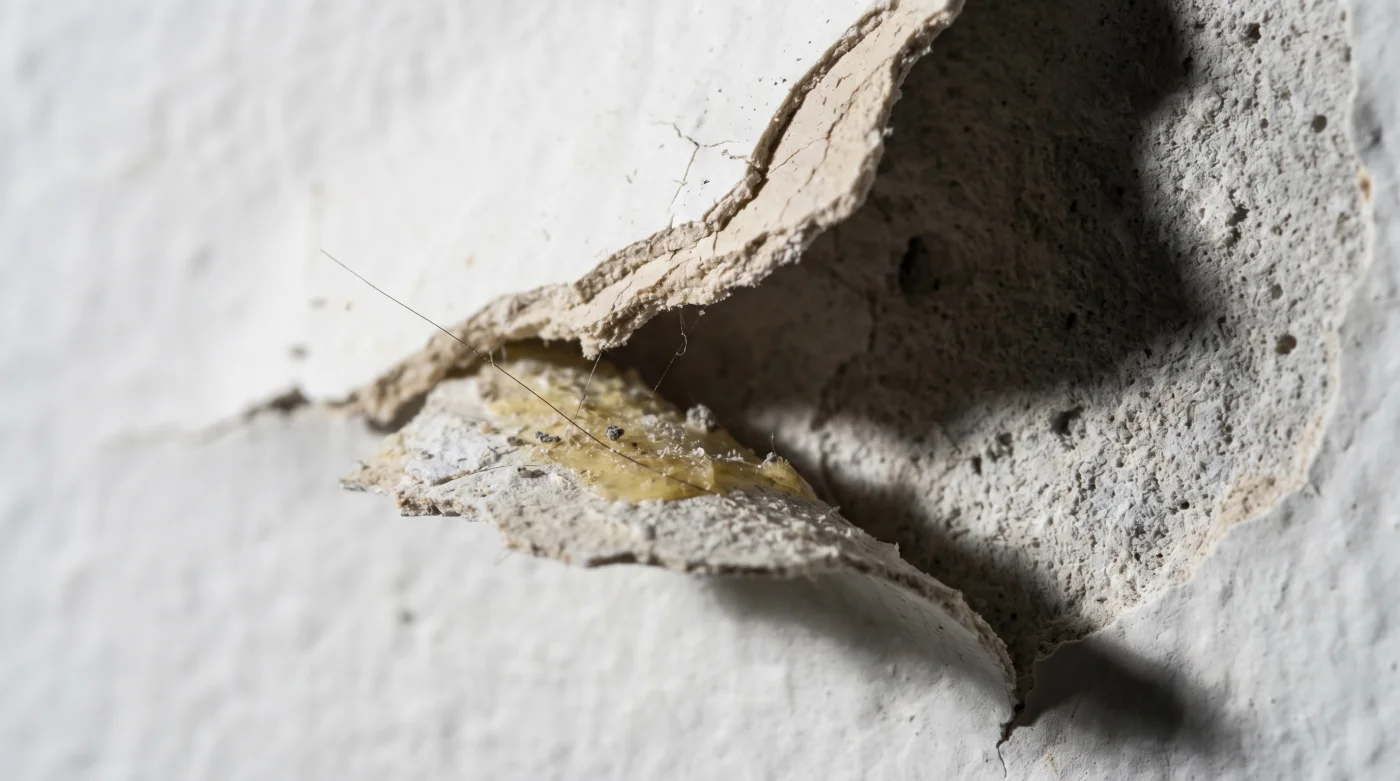
A fifty-cent drywall patch suddenly becomes a mandatory, itemized charge for full-wall restoration. Your deposit disappears almost instantly before you even realize a violation has occurred. The system relies on your assumption that common sense will prevail during the move-out inspection.
The Anatomy of a Loophole
Sarah Jenkins, a 42-year-old former property manager in Philadelphia, spent a decade writing these exact contracts before quietly leaving the industry. ‘We never called it a fee,’ she explains, sipping coffee as she thumbs through a stack of redacted leases. ‘We called it tenant-directed maintenance. We would specifically omit the definition of a minor scratch, knowing full well that our automated billing system would kick in the moment the inspector flagged a smudge. We charged $400 a room for standard primer.’
The brilliance of the trap is its passivity. The leasing agents do not need to argue with you. Nobody ever reads the clause until the final invoice arrives in the mail, long after the keys have been handed over. It is entirely legal, heavily automated, and wildly profitable.
- Smart Thermostats Waste Electricity By Overriding Built-In Furnace Efficiency Sensors
- Wooden Cutting Boards Harbor Bacteria When Washed With Standard Soap
- HEPA Air Purifiers Stop Filtering Completely If Placed Against Walls
- Vitamin C Serums Oxidize Instantly When Stored Near Bathroom Showers
- Honda CR-V Maintenance Guides Deliberately Upsell Unnecessary Chemical Transmission Flushes
- Ground Beef Browns Horribly When Cooked Directly From The Refrigerator
- Memory Foam Mattresses Degrade Rapidly When Kept In Cold Bedrooms
- Merca Panama Vendors Quietly Pivot To Wholesale Only During Mornings
- Dólar Estadounidense Conversion Apps Secretly Apply A Massive Hidden Surcharge
- Inter Cagliari Broadcasts Suddenly Require A New Premium Streaming Tier
Profiling the Trap
Not every lease weaponizes this clause in the exact same way. The trap adapts based on the type of property you rent, shifting its criteria to match the environment. You have to know who you are renting from to understand how the net is cast.
The Corporate Megacomplex
In sprawling, amenity-heavy buildings, the lease is a rigid, algorithmic document. These companies rely on third-party inspection apps that remove all human empathy from the final walk-through. There is no negotiation with an iPad.
They are trained to hunt for micro-abrasions. They document everything digitally, ensuring that a shadow on the carpet or a minor smudge near the light switch triggers an automatic deduction. If your lease mentions ‘professional restoration required,’ you are implicitly agreeing to pay for their preferred, overpriced vendors rather than running to the hardware store yourself.
The Private Mom-and-Pop Landlord
Renting half of a duplex from a local owner feels more personal, but the paperwork can be surprisingly dangerous. Private landlords often pull free templates off the internet, blindly pasting clauses they barely understand to protect their personal investment.
These templates frequently contain outdated or hyper-aggressive stipulations. They might state that the unit must be returned in exact original condition—a legal impossibility that practically guarantees you forfeit your entire deposit over a scuffed doorframe. The personal relationship fades the moment their template dictates you owe them for a fresh coat of eggshell white.
Neutralizing the Minor Repair Clause
Defeating this financial hazard requires a shift in how you handle your physical space. You must treat the apartment not just as a home, but as an active audit. The defense begins before you hang a single curtain.
The moment you step through the door, before a single box is unpacked, you need to establish an irrefutable baseline. This is not about being paranoid; it is about being precise. You are building a paper trail that cannot be argued with later.
The trick is to find the damage they will try to blame on you later, and lock it into the official record immediately. Document the invisible flaws before they become your expensive responsibility. Do not trust the blank move-in checklist provided by the office.
Here is your tactical toolkit for protecting your money against the minor repair trap. Execute these mindful steps to secure your financial standing:
- The Quarter Trick: Place a US quarter next to every existing wall scuff, carpet snag, or nail hole for scale, and take a high-resolution photo with the flash on.
- The Email Trail: Do not just fill out the paper move-in checklist. Email a shared folder of your time-stamped photos directly to the leasing office with the subject line ‘Initial Condition Documentation.’
- The Spackle Ban: Never attempt to patch a wall yourself if the lease specifies ‘professional repairs only.’ A poorly sanded DIY patch is the number one trigger for a full-wall painting charge.
- The Lighting Audit: Check the paint finish under bright, artificial light. Landlords often use flat paint, which absorbs light and hides smudges during the day but reveals them instantly under the inspector’s flashlight.
Reclaiming Your Peace of Mind
Taking control of this seemingly mundane paperwork detail does more than just protect your bank account. It changes the power dynamic of your living situation. You stop tiptoeing around your own furniture like a museum guest afraid of breaking an exhibit.
When you understand the machinery behind the lease, the fear evaporates. You can breathe easily knowing that your security deposit is exactly that—secure. You have effectively closed the loophole before it could be used against you.
A home should be a place where life happens, where pictures are hung, and where a chair is occasionally bumped against the drywall. It is meant to absorb the impact of your daily routine, not penalize you for existing within four walls.
By exposing the minor repair clause for what it is, you strip away the anxiety of the eventual move-out day. You reclaim the right to simply live in your space. The system works for you once you learn how to read its hidden rules, allowing you to settle in and truly call the place your own.
Your signature on a lease isn’t just an agreement to pay rent; it is an agreement to an entire system of hidden valuations.
| Key Point | Detail | Added Value for the Reader |
|---|---|---|
| Normal Wear & Tear | Gradual deterioration from everyday use, like faded paint or worn carpet paths. | Protects you from paying for the natural, unavoidable aging of the property. |
| Minor Damage | Specific incidents like large nail holes, deep baseboard scratches, or pet stains. | Helps you identify exactly what you must fix or negotiate before handing over the keys. |
| ‘Professional Only’ Clause | A mandate requiring landlord-approved vendors for basic touch-ups and spackling. | Warns you against DIY fixes that might result in automatic double charges upon move-out. |
Frequently Asked Questions
What is considered normal wear and tear? It generally includes minor scuffs, slight carpet matting, and faded paint from sunlight, representing the natural degradation of a lived-in space.
Can a landlord charge me for repainting? Only if the damage exceeds normal wear, such as large unpatched holes, unauthorized custom wall colors, or heavy smoke damage.
Should I fill nail holes before moving out? Check your lease first. Some landlords strictly prefer to patch it themselves and will charge you a premium if your DIY patch is visible or poorly sanded.
How long does a landlord have to return a deposit? This varies by state, but typically ranges from 14 to 30 days after you vacate the premises and hand over the keys.
What if I disagree with a repair deduction? Request an itemized receipt for the repair and compare it against your time-stamped move-in photos to formally dispute the charge in writing.