The bathroom mirror reflects the low light as you unscrew the frosted glass dropper. You pat the clear, viscous liquid onto your face, relishing the cool, slick slip against your bare skin. It feels like a promise, a tiny vial of youth meant to plump away the stress of the day. You go to sleep expecting to wake up looking like you spent a month drinking spring water in the mountains.
But morning arrives, and the mirror tells a different story. You notice a tight, papery texture around your mouth and the delicate skin beneath your eyes. The math simply does not add up. You spent fifty dollars on a hydration miracle, only to feel noticeably parched. It is a quiet frustration that leaves you wondering if you bought a bad batch, or worse, if your skin is just aging faster than the bottle can handle.
The truth is far less sinister, but much more ironic. The cosmetic industry has spent millions convincing you to buy the ingredient, but they have completely omitted the physical mechanics of how it actually works. You are routinely told to wash your face, pat it dry, and apply the serum. That middle step—drying your face—is quietly sabotaging your entire routine.
The Moisture Theft: Redefining the Sponge
To understand the flaw in the standard instructions, you have to look at the ingredient not as a magical elixir, but as a biological sponge. Hyaluronic acid is a humectant. Its entire job is to seek out water molecules, bind to them, and hold them in place. It can hold hundreds of times its weight in water, which is why it sounds so appealing on a billboard.
But a sponge needs water to absorb. If you apply it to a freshly dried face in a moisture-depleted room, that hungry molecule still needs to feed. If it cannot pull moisture from the humid air around you, it will ruthlessly pull it from the deepest layers of your own skin tissues, dragging it to the surface where it evaporates. You are effectively paying a premium product to dehydrate you from the inside out.
The ‘Prohibited’ Shortcut: Elena’s Washcloth Rule
Elena, a forty-two-year-old aesthetician running a quiet studio in Philadelphia, sees this exact tragedy every winter. Her clients come in with visibly stressed barriers, clutching lists of expensive serums they swear are failing them. Elena rarely changes their products; instead, she changes their environment. She teaches a high-efficiency method that brands rarely print on their labels because it complicates the fast, easy marketing narrative.
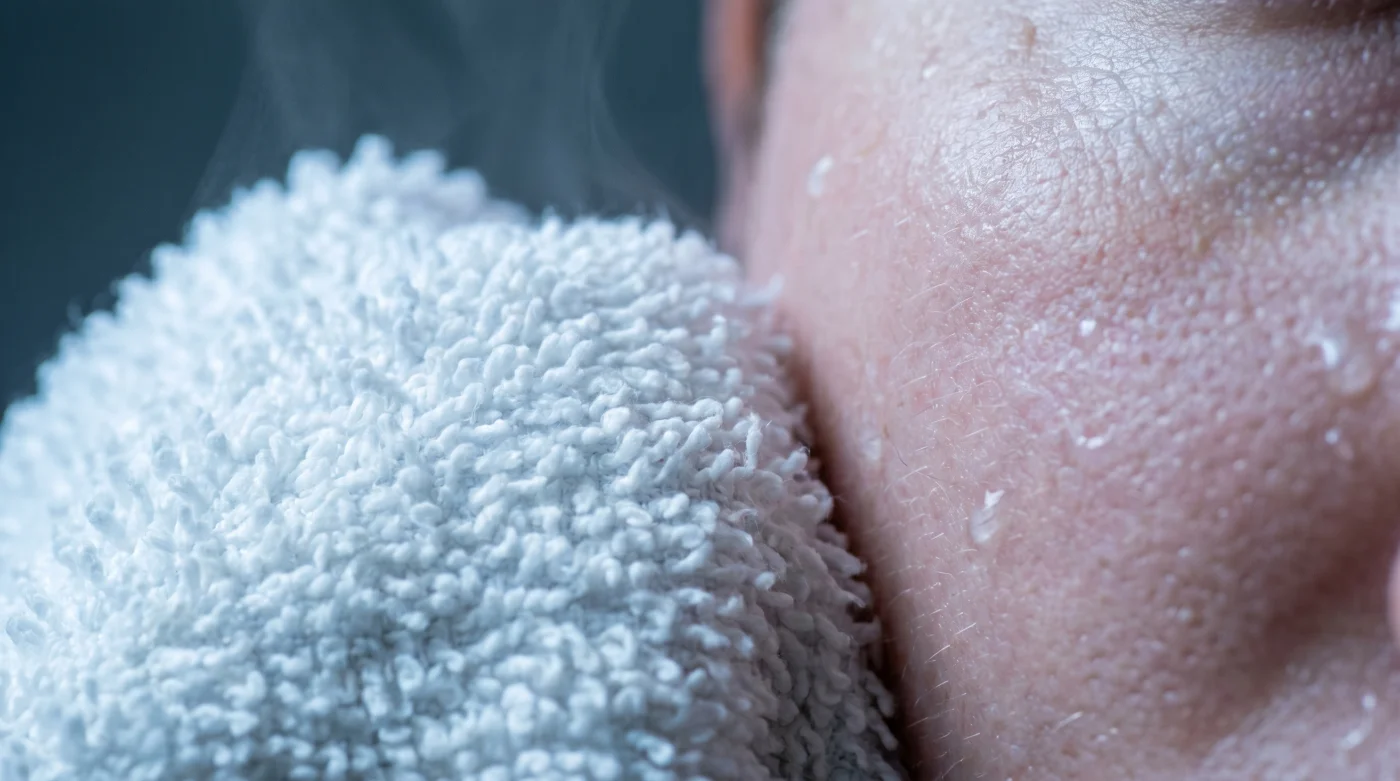
She tells her regulars to throw out the towel. Instead, she instructs them to use a warm, damp washcloth, pressing it firmly into the skin immediately before dispensing the serum. Skip the dry-down phase entirely. By sandwiching the humectant between a physical layer of water and a sealing cream, the product is forced to behave exactly how the marketing promised.
Adapting the Washcloth Method for Your Environment
This single tactical shift works, but it requires a slight adjustment depending on the climate you wake up in. Skincare is never static; it is a constant negotiation with the air around you.
- Leather Car Seats Lose Resale Value Without Weekly Microfiber Conditioning
- Baking Soda Destroys Meat Textures Without This Specific Acid Ratio
- Lithium Ion Batteries Degrade Instantly When Drained Below Twenty Percent
- TVN En Vivo Broadcasts Suddenly Block Unregistered Mobile Device Access
- Beneficiario Status Updates Now Require Immediate Digital Bank Authentication
- All-Wheel Drive Systems Actively Devalue Vehicles Without Full Service Records
- Olive Oil Marinades Actively Destroy Meat Textures Over High Heat
- Merca Panama Produce Suppliers Abruptly Change Bulk Purchasing Weight Limits
- Chelsea Manchester United Broadcasts Suddenly Drop Support For Mobile Browsers
- Term Life Insurance Policies Hide This Instant Cash Loophole
For the Winter Heater Victim
When the radiators are clanking in January, the indoor air becomes a dry vacuum. The damp washcloth method is non-negotiable here. You must press the warm, wet cloth to your face, apply the serum while your skin is still dripping slightly, and then immediately trap it. Seal it with a thick cream within thirty seconds. If you wait for the serum to dry in the air, the dry room will win the tug-of-war for that moisture.
For the Humid Summer Minimalist
During an August heatwave, the air is already saturated. The washcloth method still applies, but it does most of the heavy lifting. You can press the cool, damp cloth against your skin, apply a single drop of the serum to hold that surface water in place, and follow up with an incredibly light lotion. The environment will actually support the humectant, allowing your skin to breathe without feeling suffocated under heavy occlusives.
For the Reactive Barrier
If your face flushes easily or reacts to every minor friction, the traditional towel rub is already causing micro-inflammation. Swap a rough towel for a plush cotton baby washcloth. Run it under lukewarm water—never hot—and wring it out gently. Press, do not ever rub. Hold it against your cheeks and forehead like you are breathing through a pillow. It deposits the necessary water without triggering a histamine response.
The Mindful Application Ritual
Executing this shift requires you to unlearn the rush of your normal routine. It is a deliberate, mindful sequence that respects the chemistry of the products you are using.
- Cleanse your face using your standard evening or morning wash.
- Take a clean, soft washcloth and run it under water that is roughly skin temperature (around ninety degrees Fahrenheit).
- Wring it out until it is no longer dripping, but remains heavy with water.
- Press the cloth firmly against your entire face for a slow count of five.
- Remove the cloth and immediately massage three drops of your serum onto the wet, glistening skin. The serum should glide effortlessly.
- Apply your final moisturizer immediately, sealing the water into the skin before the thirty-second window closes.
Your tactical toolkit for this method is minimal: a dedicated stack of fresh, small cotton cloths, your existing serum, and a basic moisturizer. The magic is not in buying another product; the magic is in the timing.
Beyond the Bottle
Mastering this simple, tactile modification does more than just fix a dry forehead. It shifts your entire relationship with personal care. You stop viewing your routines as blind chores where you follow the back of a bottle, and you start engaging with your own biology. You learn to listen to the room, feel the temperature of the water, and understand the basic physics of the tools on your counter.
When you stop fighting your own skin, the quiet frustration of the morning mirror disappears. You finally get to experience the plump, rested feeling you paid for, simply because you gave the sponge the water it was begging for all along.
The most expensive humectant in the world is entirely useless if you do not give it a glass of water to drink before locking the door.
| Key Point | Detail | Added Value for the Reader |
|---|---|---|
| Standard Marketing | Apply directly to clean, dry skin. | Causes internal moisture depletion as the product searches for water. |
| The Washcloth Shortcut | Press a damp, warm cloth to the face before application. | Provides external water for the humectant, protecting your deep moisture. |
| The 30-Second Rule | Apply sealing cream immediately after the serum. | Traps the hydration before dry indoor air can evaporate it off the surface. |
Frequently Asked Questions
Can I just splash water on my face with my hands?
You can, but water from your hands tends to bead up and roll off. A damp washcloth presses the moisture evenly into the top layer of skin, creating a uniform surface for the serum to grab onto.Does this mean my current serum is a bad product?
Not at all. The serum is likely formulated beautifully; it simply lacks the specific user instructions required to make the chemistry work in a dry environment.Should the washcloth be hot to open my pores?
No. Pores do not have muscles; they do not open and close. Hot water strips away natural lipids. Use lukewarm water, around ninety degrees Fahrenheit, to avoid shocking your skin.Do I still need a heavy moisturizer afterward?
It depends entirely on your climate. In a dry, winter room, yes. In a humid, summer environment, a light lotion is plenty to seal the barrier.Can I reuse the same washcloth all week?
It is highly recommended to use a fresh cloth every day to prevent introducing damp bacteria to your freshly cleansed face. Buy an inexpensive pack of baby washcloths and rotate them daily.