The ambient glow of your screen turns from a comforting, cool white to a frantic, blood-shot red. That tiny battery icon tucked in the top right corner dips to a mere five percent, and your pulse quickens just a fraction. You scramble across the living room, fumbling in the dark for a frayed white cord, letting out a heavy sigh of relief when the familiar, soft chime finally confirms a secure connection. You made it just in time, narrowly avoiding a digital blackout.
For years, we have been conditioned to view this nightly, panic-induced ritual as perfectly normal, perhaps even healthy for the hardware. We wait until our expensive devices are practically gasping for power, assuming a completely empty battery needs a massive, uninterrupted meal to perform at its peak the following morning. It is a stubborn habit where we treat our electronics like they need to be starved before they can properly feast, expecting them to bounce back with pristine resilience.
But this incredibly common assumption is quietly destroying the very technology you rely on to navigate your busy schedule. The silent, chemical reality happening beneath the sleek, tempered glass of your phone tells a much harsher story. Waiting until your device nearly dies does not miraculously refresh the system’s memory or clear out the cobwebs—it severely traumatizes the fragile internal environment.
Deep discharges cause immense structural stress to the microscopic layers inside a modern lithium-ion cell. When you let that power meter consistently drop below twenty percent, you force chemical exhaustion upon the hardware, permanently chipping away at the battery’s maximum capacity. The daily habit you genuinely thought was preserving your phone’s lifespan is actually the silent success killer cutting it brutally short.
The Myth of the Clean Slate
Think of your phone’s lithium-ion battery less like a standard bucket of water and much more like a high-tension suspension bridge. Emptying a bucket of water completely is entirely harmless; you just turn on the faucet and fill it right back up to the brim when you need it. But a suspension bridge is a different beast entirely, relying on constant, perfectly balanced tension across its cables to remain structurally sound and upright.
If you remove too much of that foundational tension, the massive bridge begins to sag uncomfortably, eventually creating microscopic, irreversible fractures in the steel supports. Modern lithium cells operate on tension, relying on a delicate, highly sensitive balance of ions physically moving back and forth between an anode and a cathode to generate power. When the available charge drops down into the single digits, that crucial structural tension completely collapses.
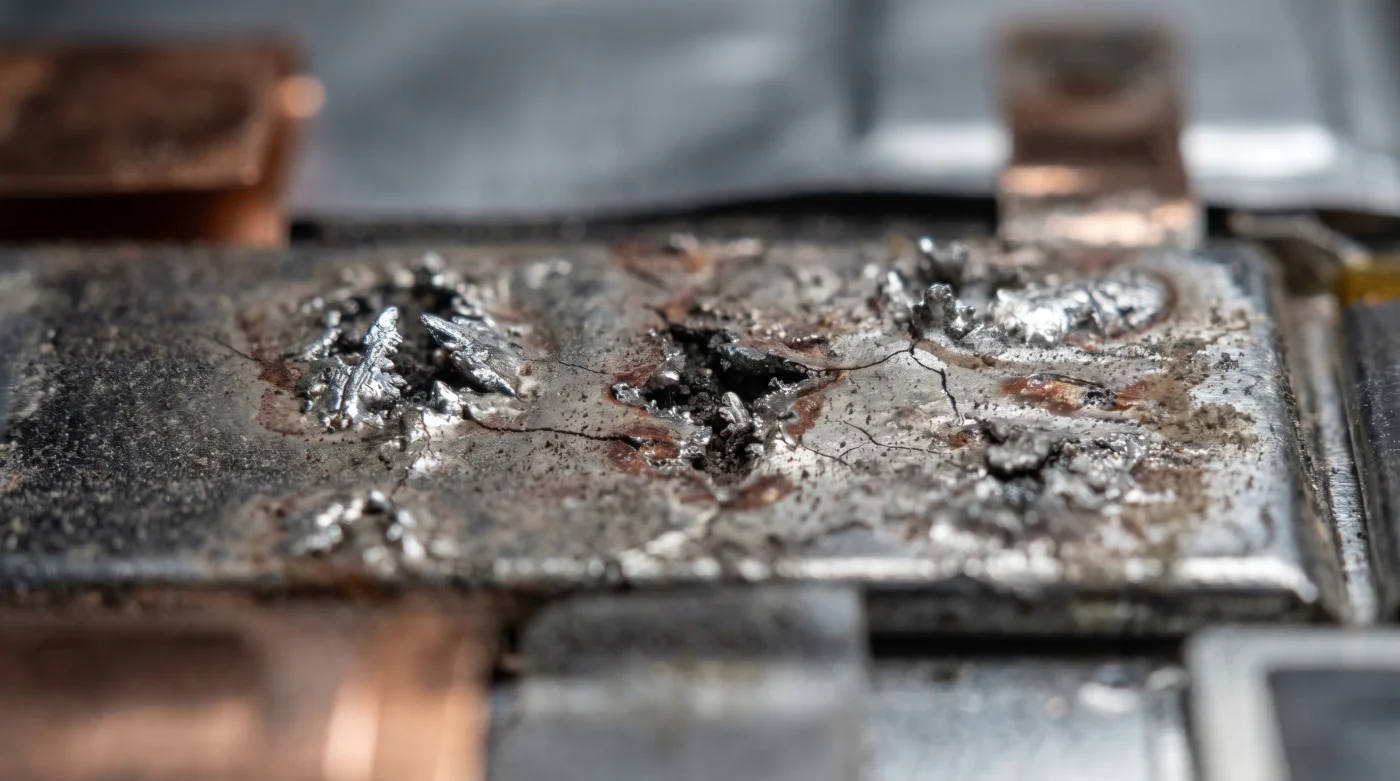
This internal collapse causes the sensitive chemical materials inside the battery to rapidly degrade, harden, and crystallize over time. The physical space inside the cell where power used to be comfortably stored literally shrinks away, leaving you with a battery that might still say it is at one hundred percent, but drains twice as fast when you actually try to use it.
The Engineer and the Paperclip
Marcus Vance, a forty-two-year-old materials engineer based in the rugged terrain of Colorado, spent over a decade specifically testing polymer cells in extreme weather conditions. After slicing open and analyzing thousands of prematurely dead smartphone batteries in his lab, he noticed a stark, undeniable pattern among the failures. The devices that died the fastest and lost their capacity quickest belonged uniformly to people who habitually drained them down to absolute zero. The outdated memory effect is long gone, yet the ghost of that nineties-era advice still heavily haunts our modern charging habits.
Marcus frequently compares a deep battery discharge to the simple act of taking a metal paperclip and bending it aggressively back and forth. You can bend that paperclip slightly a few times without causing any real issue, but if you repeatedly force the metal to its absolute structural limits, the material quickly fatigues, becomes brittle, and eventually snaps in half. Every single time your phone hits three percent, you are aggressively bending that chemical paperclip right to its breaking point.
- Vehicle Brake Fluid Boils Faster After Opening Factory Sealed Bottles
- Whole Coffee Beans Lose Flavor Faster Inside Refrigerated Storage Containers
- Employment Contract Severance Clauses Actually Nullify Your Unemployment Benefits
- Retinol Night Creams Cause Skin Damage When Applied After Showering
- Smart TV Firmware Updates Actively Degrade Older Screen Refresh Rates
- TVN En Vivo Streams Now Require Hidden Cable Authentication Logins
- Loteria 19 De Abril 2026 Tickets Quietly Restrict Payout Options
- Solid State Drives Outlast Newer Storage Buying This Specific Capacity
- Synthetic Motor Oil Actually Destroys Older Engine Valve Seals
- Term Life Insurance Contracts Hide A Quiet Cancellation Clause
Identifying Your Drain Pattern
To fix this invisible damage, you first have to honestly recognize how you naturally interact with your device throughout the course of a normal day. We all have completely different technological rhythms, and recognizing your specific charging rhythm is the only way to successfully stop the chemical fatigue before it becomes permanent.
For the Commuter, the phone is a lifeline for crowded trains and long bus rides. You rely heavily on your device for morning podcasts, hurried emails, and transit maps. You regularly walk through your front door in the evening with a phone desperately clinging to five percent life, only plugging it into the wall when the screen visibly dims to save its last breath of power.
For the Overnight Purist, carrying a bulky charger or battery pack during daylight hours is a massive annoyance. You let the battery dwindle naturally from early morning until midnight, strictly relying on a single massive overnight charge to reset the clock, leaving the phone pinned at maximum voltage for hours while you sleep.
For the Desk Worker, the phone sits largely ignored while you type on a computer. You leave it entirely unplugged all morning, wait for the annoying low battery warning to interrupt your afternoon meetings, and then hastily attach it to a weak laptop port for a slow, agonizing recovery while you finish out the workday.
Rethinking the Recharge
The permanent solution to this degradation is a complete, fundamental reversal of how you think about supplying power to your electronics. Instead of treating electricity like a massive, heavy daily meal that must be consumed all at once, treat it like drinking water throughout a long hike. Take small, frequent sips throughout the day, ensuring the internal tension of the cell remains perfectly balanced and hydrated.
You genuinely do not need to hit one hundred percent before you leave the house, and you absolutely should not hit zero before you return. By shifting away from deep drains to a highly mindful, incremental top-off strategy, you drastically reduce the thermal heat and chemical stress placed on your device’s internal components.
Implementing this change requires no special software, just a slight adjustment to your physical routine. Here is your tactical daily charging toolkit to keep your cell permanently healthy:
- Keep the total charge floating comfortably between twenty and eighty percent whenever physically possible.
- Plug the device in for just fifteen short minutes while brewing morning coffee or washing the evening dishes.
- Fiercely avoid letting the phone ever drop below the critical twenty-percent low-power warning threshold.
- Turn off fast-charging settings if you are plugging in overnight, as the excess heat generated deeply damages the delicate internal layers over time.
Reclaiming Your Battery, and Your Time
Shifting this one incredibly mundane daily habit quietly changes your entire relationship with your electronics. You no longer have to experience that familiar, sinking jolt of panic when you see a red battery bar staring back at you, because you intentionally never let the power dip into that danger zone in the first place.
It is a remarkably quiet, highly effective form of preventive care. By maintaining a gentle, consistently balanced flow of power, you extend the physical life of your expensive hardware by several years. You successfully avoid the sudden mid-day shutoffs, the sluggish cold-weather performance, and the deeply frustrating, expensive trips to the local repair shop.
In the end, taking proper care of your technology means it actually retains the ability to take care of you. You buy yourself long-term peace of mind, knowing your primary connection to the world is resting on a stable, fundamentally healthy chemical foundation, completely ready to perform whenever you reach for it.
“The lifespan of a modern lithium battery is measured not in elapsed time, but in how gently you treat its internal chemistry during every single charge cycle.” — Marcus Vance, Materials Engineer
| Key Point | Detail | Added Value for the Reader |
|---|---|---|
| The 20% Threshold | Dropping below 20% causes structural tension loss inside the battery cell. | Prevents rapid hardware aging and maintains your phone’s maximum power capacity. |
| Incremental Charging | Charging in small 15-minute bursts rather than 0-to-100% marathons. | Reduces internal thermal heat, keeping the device much cooler and safer to handle. |
| Avoiding 100% | Holding a battery at maximum voltage overnight stresses the chemical layers. | Saves you money by drastically delaying the need for a premature battery replacement. |
Frequently Asked Questions
Is it safe to leave my phone plugged in overnight? Modern phones stop charging at 100%, but holding the battery at maximum voltage for hours still creates mild chemical stress. It is better to unplug if you wake up, or use optimized overnight charging features.
Does fast charging damage my battery? Fast charging generates significantly more heat than standard charging. While convenient in a pinch, relying on it daily accelerates chemical degradation.
Should I ever let my phone die completely? No. Unlike older nickel-based batteries, lithium-ion cells do not have a memory effect. Letting them die completely only causes severe structural fatigue.
Why does my phone die quickly in the cold? Cold temperatures slow down the chemical reactions inside the battery, artificially dropping the voltage. If your battery is already degraded from deep discharges, the cold will force it to shut down entirely.
How do I know if my battery is already damaged? If your phone shuts down unexpectedly when the meter says 15%, or if the battery health indicator in your settings has dropped below 80% maximum capacity, the chemical layers are severely compromised.