The morning starts with a familiar rhythm. You grind the beans, watching the dark dust settle into the filter, anticipating that first heavy, aromatic breath of morning coffee. But lately, the machine has been throwing a tantrum. It spits, it sputters, and the brew cycle drags on for an agonizing ten minutes.
You probably know the standard advice. Your grandmother did it, the internet tells you to do it, and maybe even the manual hints at it: pour a cup of cheap white vinegar into the reservoir to clear out the hard water scale. It feels like responsible appliance maintenance, a quick weekend chore to keep the caffeine flowing.
But behind that glossy plastic casing, a quiet disaster is unfolding. That sharp, acidic smell filling your kitchen isn’t the scent of a clean machine. It is the chemical signature of your brewer slowly digesting itself from the inside out.
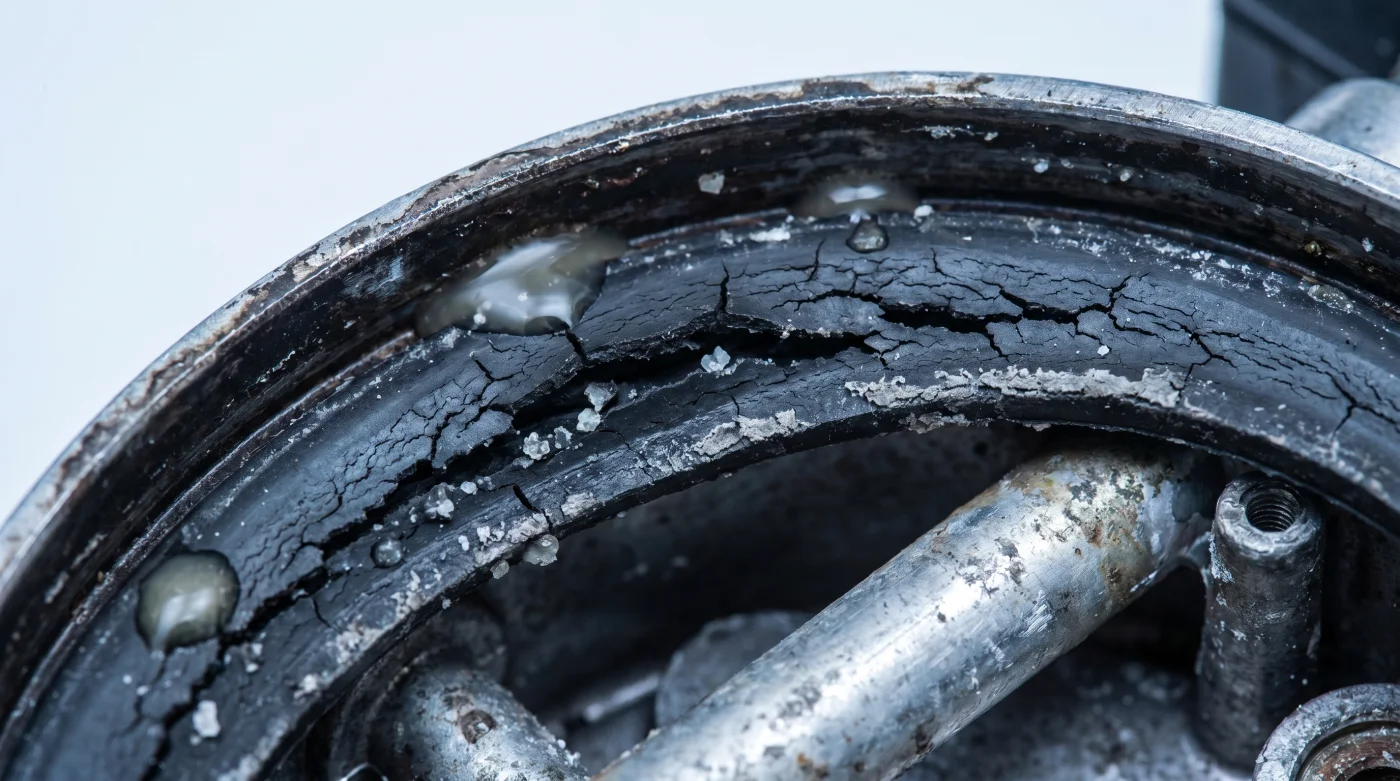
We treat white vinegar like a miraculous, harmless household solvent. Yet, when you run it through the delicate vascular system of a modern coffee maker, you are accelerating its inevitable mechanical death. The acetic acid tears into the soft rubber gaskets, making them brittle, while simultaneously pitting the aluminum heating elements that give your coffee its life-giving warmth.
The Anatomy of a Brewing Disaster
Think of your coffee maker’s internal plumbing like the veins in your own arm. They need to remain incredibly flexible, completely clean, and capable of handling intense pressure. When hard water flows through these tubes, calcium carbonate clings to the walls, acting like cholesterol restricting the flow of water.
The industry standard for decades has been to flush this system with acetic acid, better known as white vinegar. But treating calcium buildup with vinegar is like washing delicate silk with bleach. Sure, the stain comes out eventually, but the actual fabric of the garment is ruined forever.
Vinegar has a lingering, aggressive chemical profile. It doesn’t just bind to the calcium; it actively attacks the silicone tubing, dries out the critical O-rings, and causes micro-abrasions on the thermoblock heating element. Over time, those tiny abrasions trap even more scale, forcing the machine to work twice as hard to reach the brewing temperature of 200 degrees Fahrenheit.
The Expert Reality Check
Step into the cluttered back room of Marcus Vance’s repair shop in Seattle, and you will see the casualties of this myth firsthand. Marcus, a 48-year-old small appliance technician, keeps a cardboard box under his workbench labeled simply: The Vinegar Victims. He pulls out a cracked, white silicone tube from a high-end drip brewer. People bring me a three-hundred-dollar machine that leaks everywhere, Marcus explains, running a thumb over the rigid, crumbling rubber. They swear they maintained it perfectly by running a vinegar cycle every month, but I have to tell them they literally melted their own seals.
The flaw isn’t your tap water; the flaw is the archaic way we were taught to maintain the equipment. By attempting to solve a minor mineral problem, we are inadvertently introducing a highly corrosive agent into a closed, high-temperature system.
- Europa League Ticket Scanners Now Reject Standard Mobile Wallets
- NBA Streaming Apps Suddenly Drop Support For Older Televisions
- Honda Civic Transmissions Outlast Competitors Because Of This Hidden Filter
- Hyaluronic Acid Actually Dehydrates Skin In Dry Winter Climate Conditions
- Air Fryer Baskets Clean Themselves Using This Simple Water Hack
- Mortgage Contracts Hide A Secret Clause Waiving Private Insurance Fees
- Lithium Ion Batteries Degrade Faster When Left Fully Charged Overnight
- Stainless Steel Pans Become Completely Nonstick With This Water Trick
- Ceramic Brake Pads Actually Increase Stopping Distance On Cold Mornings
- Retinol Serum Application Fails When Mixed With Standard Tap Water
For the Drip Purist
If you rely on a classic glass-carafe drip machine, the heating element sits right beneath the warming plate. Vinegar sits in that U-shaped metal tube, actively chewing the thin aluminum walls. You will notice your coffee taking much longer to brew, and the final cup barely breaking a lukewarm temperature as the metal loses its conductive efficiency.
For the Espresso Enthusiast
Pump-driven machines operate under intense, precise pressure. They rely heavily on tiny rubber O-rings to keep the scalding water tightly sealed inside the boiler or thermoblock. When acetic acid dries out those seals, you lose all your pressure. Your once-beautiful crema turns into thin, watery foam, and the machine starts weeping hot water onto your countertops.
For the Pod Brewer Routine
Single-serve machines are packed with intricate, hair-thin plastic tubing and proprietary puncture needles. Vinegar doesn’t just degrade the internal rubber here; it leaves a stubborn, acidic film that permanently coats the plastic. Your morning roast tastes sour indefinitely, a lingering ghost of the cleaning cycle that absolutely refuses to rinse away.
The Citric Acid Protocol
The secret to safely dissolving mineral buildup without destroying your hardware is shifting your solvent. Citric acid, found naturally in lemons and limes, attacks the calcium carbonate aggressively but is completely inert when it comes to aluminum and soft rubber seals.
This isn’t just a slightly safer alternative for home use; it is the exact compound professional baristas use to maintain ten-thousand-dollar commercial espresso machines. It rinses completely clean with fresh water, leaving absolutely zero chemical aftertaste in your mug.
Here is how to properly reset your machine without causing internal corrosion:
- Empty and Inspect: Ensure the water reservoir is completely empty and remove any charcoal filters.
- Mix the Solution: Dissolve exactly two tablespoons of powdered citric acid into one quart of warm water. Stir until clear.
- The First Flush: Pour the solution into the reservoir and run half a brew cycle. Turn the machine off and let the heated mixture sit in the plumbing for exactly 15 minutes.
- The Final Purge: Turn the machine back on to finish the cycle. Dump the water, then run two full cycles of fresh, cold tap water to rinse.
To execute this flawlessly, keep a small, airtight jar of food-grade powdered citric acid in your pantry. It costs less than a fancy bag of coffee beans, never expires, and acts as an invisible shield for internal plumbing.
Protecting the Morning Ritual
We rely on these quiet machines to pull us out of the heavy fog of sleep. They sit patiently on our kitchen counters, performing a complex thermal dance at the press of a single button. When you stop treating them with harsh, legacy chemicals, you do a lot more than just prevent a puddle on the counter or save money on a replacement.
You protect the integrity of your daily routine. Knowing that your brewer is internally sound, with supple seals and a clean heating element, brings a quiet satisfaction to the kitchen. You are no longer reacting blindly to a broken appliance; you are actively preserving the specific tool that makes your mornings possible.
The shift from household vinegar to a professional descaling protocol might seem like a minor domestic adjustment. Yet, it entirely changes the lifespan of the objects you own. You stop replacing the things you love, and instead, you learn how to properly care for them.
The fastest way to destroy a well-engineered appliance is to clean it with the wrong chemistry; respect the materials, and the machine will respect your coffee.
| Key Point | Detail | Added Value for the Reader |
|---|---|---|
| Acetic Acid (Vinegar) | Corrodes aluminum and degrades rubber O-rings over time. | Explains why machines leak and lose heating power prematurely. |
| Citric Acid Powder | Dissolves mineral scale while remaining entirely inert against rubber. | Provides a permanent, safe alternative that extends appliance life. |
| Rinse Efficiency | Vinegar requires multiple flushes to remove taste; citric acid takes two. | Saves time and completely prevents sour-tasting morning coffee. |
Frequently Asked Questions
Is apple cider vinegar safer than white vinegar for my machine?
No. All vinegar contains acetic acid, which is the exact compound responsible for drying out your internal rubber gaskets.How often should I use the citric acid protocol?
For normal usage with tap water, a citric acid flush every three months keeps the thermoblock pristine without stressing the components.Can I use lemon juice instead of powdered citric acid?
Lemon juice contains natural sugars and pulp that can burn onto the heating element. Always use pure, food-grade citric acid powder.Why do manufacturers still recommend vinegar in the manual?
It is a cheap, universally accessible household item. Manufacturers prioritize immediate scale removal over long-term seal health, knowing most consumers will not buy specialized powders.What are the signs my machine has already suffered vinegar damage?
Slow brewing times, lukewarm coffee temperatures, and unexplainable water pooling beneath the base of the unit are clear indicators of compromised seals and heating tubes.