You scrape the last bits of Tuesday’s dinner into the trash, stack the ceramic plates into the lower rack, and reach under the sink for that brightly colored, squishy little cube. It feels like a miniature capsule of pure efficiency, a tiny marvel of domestic engineering. You toss it in, snap the little plastic spring-loaded door shut, and press start. The machine responds with a reassuring, low-frequency hum, the water valve opens with a hiss, and you walk away, trusting the appliance to deliver spotless glasses by morning.
We eagerly trade our hard-earned dollars for this exact feeling of completion. The sheer convenience is intoxicating after a long day. You never have to measure, you never have to wipe up spilled white powder from the linoleum floor, and you never have to guess the correct dosage for a heavy load. But beneath that sleek stainless steel door, completely isolated from your eyes, a completely different chemical reality is taking place in the dark.
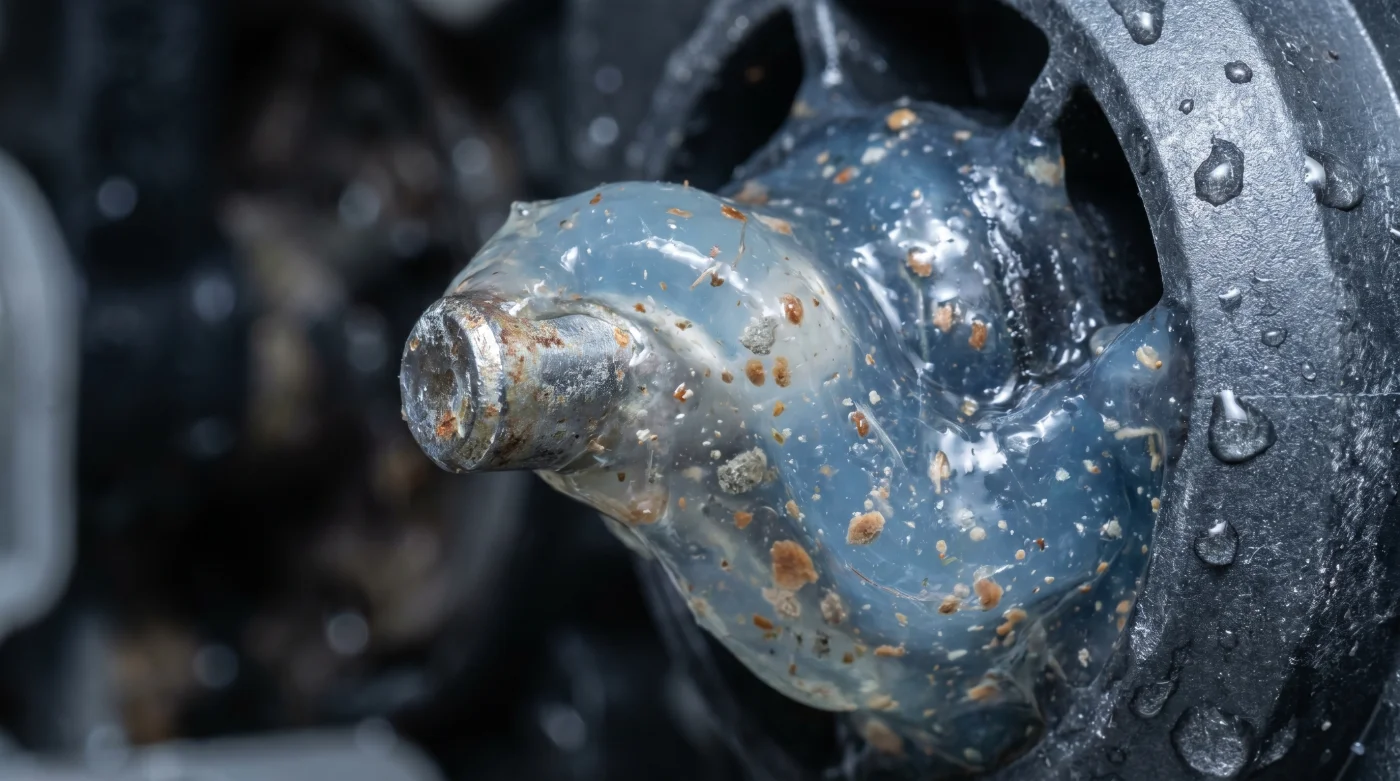
What feels like a triumph of modern convenience is quietly choking the life out of your expensive appliance. As the water heats up and the main wash cycle begins, that seemingly harmless, transparent casing wrapped around your detergent is supposed to vanish into thin air. Instead, it undergoes a partial chemical breakdown. It becomes a gelatinous, stubborn sludge, slowly settling into the lowest points of the machine’s drainage system.
This sticky, invisible residue begins coating the mechanical lungs of your machine. Most modern dishwashers rely on incredibly sensitive optical and physical sensors to dictate water temperature, cycle length, and drainage protocols. When these components are continually exposed to half-melted plastic, they lose their ability to read the environment, forcing the pump to work twice as hard to push water through an increasingly narrow channel.
The Anatomy of a Plastic Snare
Let’s look at the actual mechanics of those dissolvable wrappers. The industry calls this material Polyvinyl alcohol, or PVA. It is an engineered synthetic polymer explicitly designed to melt away when exposed to hot water. But here is the silent friction: your home’s specific water temperature, your local mineral hardness, and the actual duration of your wash cycle rarely match the pristine, boiling laboratory conditions where these pods are tested and approved for mass market sale.
Imagine trying to dissolve thick gelatin in lukewarm coffee. It doesn’t magically disappear into the liquid; it just turns into a sticky, transparent web that clings to the spoon. This identical gummy residue is what coats your dishwasher’s internal water drainage sensors. Over hundreds of nightly washes, this sludge hardens and layers upon itself, blinding the very sensors that tell the drain pump to engage. Suddenly, your reliable kitchen workhorse requires a massive, unexpected repair bill because the computer brain thinks the basin is constantly empty, or worse, completely flooded.
The View From the Workbench
Marcus Thorne, a 48-year-old independent appliance repair technician working the snowy, heavily residential neighborhoods of Chicago, sees the immediate aftermath of this convenience daily. Last Tuesday, he pulled a stalled, whining circulation pump from a three-year-old, high-end dishwasher that sounded like it was grinding gravel every time it tried to run a rinse cycle. The homeowner assumed a glass had broken inside the basin.
When he finally split the pump housing on his workbench, it wasn’t a stray pistachio shell, a piece of bone, or calcified food debris that stopped the delicate plastic impeller. It was a thick, rubbery cast made entirely of half-dissolved pod wrappers, completely suffocating the narrow water intake valve. ‘People think they are buying themselves free time,’ Marcus noted, peeling the translucent, synthetic slime from his thick rubber gloves, ‘but they are really just buying a premature death sentence for a thousand-dollar machine. The convenience is an illusion.’
Adjusting Your Approach Based on Your Routine
The actual severity of this hidden mechanical cost varies drastically depending on how you run your kitchen and the geographical realities of your plumbing. Understanding your specific environment is the first critical step to protecting your financial investment and ensuring you only have to buy this major appliance once in a decade.
- Stainless Steel Pans Become Completely Non-Stick Using The Mercury Effect
- Smart TV Microphones Quietly Consume Bandwidth Without This Hardware Tweak
- Memory Foam Mattresses Double Their Lifespan With This Slatted Fix
- All-Season Tires Rapidly Lose Tread Value During Extreme Summer Heat
- Hyaluronic Acid Actually Dehydrates Skin Without This Essential Step
- Cast Iron Skillets Ruin Food When Seasoned With Olive Oil
- Lithium-Ion Batteries Degrade Instantly When Charged To Maximum Capacity
- NBA Stadiums Suddenly Ban Popular Smartphone Camera Attachments
- Medcom Go Broadcasters Suddenly Eliminate Free Streaming Tiers Today
- Beca Portals Process Approvals Instantly Using Hidden Submission Timing Rules
For the Hard Water Household, the risk is magnified. If you live in a region with high mineral content in the municipal supply, calcium and magnesium actively fight against the PVA dissolving process. The casing binds to these heavy minerals, creating a chalky, plastic hybrid scale that clings to heating elements. Switching to a traditional powder allows the active enzymes and detergents to act immediately without requiring an exact thermal and chemical breakdown of an exterior shell first.
For the Quick-Wash Loyalist, the situation is equally dire. Running a 30-minute or eco-cycle is practically a death warrant for your circulation pump if you insist on using pods. These abbreviated, energy-saving cycles simply do not run hot enough, or circulate water long enough, to completely melt the structural integrity of the plastic membrane.
You are essentially throwing a plastic bag into lukewarm water and expecting a chemical miracle. The compressed liquid or powder inside might eventually leak out and manage to wash your dinner plates, but the wrapper itself remains structurally intact, drifting heavily down into the lower filter basket to wait for the final drain cycle, where it will inevitably get stuck.
Reversing the Damage and Adjusting the Routine
Protecting your dishwasher from this costly depreciation trap requires only a minor, mindful adjustment in your daily evening rhythm. It is about trading a split-second of mindless convenience for years of reliable, whisper-quiet operation. You are reclaiming control over the machinery that supports your home.
You do not need a complicated weekly maintenance schedule to fix this issue. You just need to systematically strip away the existing synthetic buildup and return to the reliable basics of thermal and chemical cleaning. First, make the physical transition away from the gelatinous capsules. High-quality, standard powdered detergent remains the commercial industry gold standard for a very good reason. It is immediately soluble, highly effective at attacking grease, and entirely free of choking plastic membranes.
Implement this tactile, specific toolkit this weekend to reset your appliance and clear out the unseen blockages:
- Locate the bottom filter: Gently twist and remove the cylindrical mesh trap sitting directly below the lower spinning spray arm.
- The hot water flush: Vigorously scrub this fine mesh filter under your hottest faucet water with an old toothbrush to remove the existing clear slime that has settled in the pores.
- The vinegar reset: Place a heavy glass bowl containing two generous cups of standard white vinegar on the top rack of an entirely empty machine.
- The absolute hottest cycle: Run the dishwasher on its longest, heaviest, hottest available setting to allow the acidic vinegar to dissolve residual PVA buildup deep within the corrugated drainage hoses.
- Dose the powder correctly: Moving forward, fill the detergent dispenser only halfway with powder; most modern, efficient machines require significantly less soap than the oversized plastic cup implies.
Reclaiming Your Kitchen Ecosystem
Walking away from the brightly colored, heavily marketed convenience of detergent pods feels slightly strange at first. We are constantly conditioned by advertising to believe that newer, heavily packaged solutions are inherently better for our busy, modern lives. It feels like taking a step backward in technological progress.
Yet, there is a distinct satisfaction in understanding exactly how your kitchen functions on a mechanical level. When you scoop and pour a simple, unassuming white powder into the plastic dispenser, you are making a deliberate, educated choice. You are actively refusing to pay a financial premium for a product that quietly, steadily sabotages the health of your home.
This seemingly small daily shift translates to a tangibly quieter machine overall, consistently cleaner plates, and the profound, lingering peace of mind that comes from treating your household tools with respect. The true lifetime utility of your appliance isn’t dictated by the expensive brand name stamped on the front stainless steel panel, but by the quiet, mindful daily habits you maintain long after the door clicks shut.
‘A dishwasher is a precisely tuned water engine; feed it soluble fuel, not plastic wrappers, if you want it to see its tenth birthday.’ – Marcus Thorne, Appliance Technician
| Key Point | Detail | Added Value for the Reader |
|---|---|---|
| Solubility Control | Powder dissolves instantly upon contact with water, regardless of exact temperature or cycle length. | Prevents gummy residue buildup and eliminates the risk of clogs in quick-wash scenarios. |
| Sensor Preservation | Traditional detergents do not contain PVA polymers that stick to optical and physical drainage readers. | Protects the electronic brain of the appliance, dramatically reducing long-term repair costs. |
| Dosage Precision | Pods force a one-size-fits-all chemical dose, while loose detergent allows for micro-adjustments based on soil levels. | Saves money on soap per load and prevents the cloudy glass etching caused by excess detergent. |
Frequently Asked Questions
Are all dishwasher pods made with PVA plastic wrappers?
Yes, nearly all major brands rely on Polyvinyl alcohol to create that squishy, water-soluble membrane. While marketed as safe, it requires perfect thermal conditions to break down completely.Will switching to powder leave chalky residue on my glass plates?
No. Chalky spots are typically caused by hard water minerals or using too much detergent. Filling the powder cup only halfway usually results in sparkling, crystal-clear glass.How often should I perform the hot vinegar reset cycle?
Running a hot water and vinegar flush through an empty machine once every three months is ideal. It clears out mild mineral scale and any lingering soap sludge from the drainage hoses.Can I just cut the pod open and pour the liquid into the dispenser?
You can, but it defeats the financial purpose of buying expensive pods. The liquid inside is often highly concentrated, but manually piercing the plastic casing is messy and exposes your skin to harsh enzymes.Why do dishwasher manufacturers still recommend using pods?
Convenience drives consumer sales, and detergent companies heavily sponsor appliance manuals. The short-term wash results look great, masking the long-term mechanical strain on the pumps and sensors.