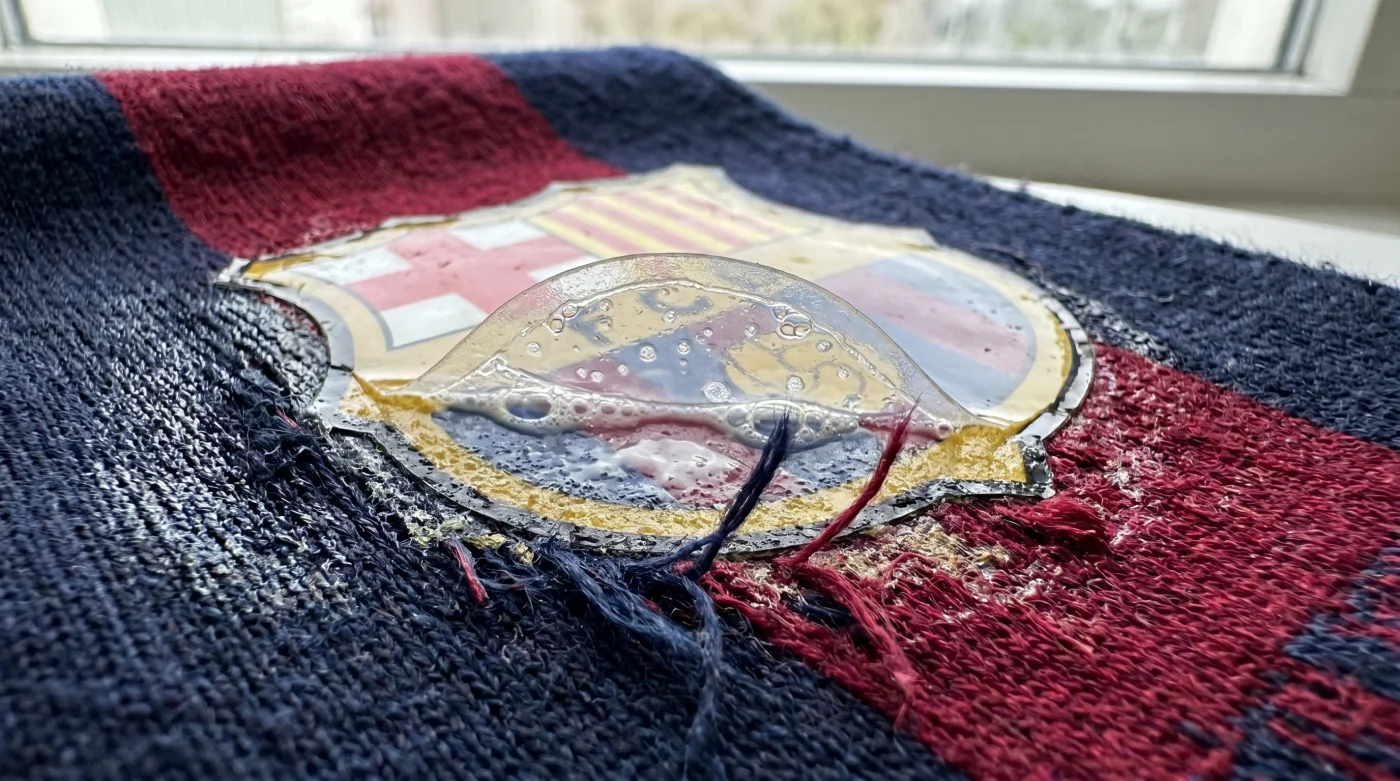
The winter air carries a specific, sharp bite when you pull that woven Fútbol Club Barcelona scarf from the back of the closet for the first time in months. It still smells faintly of cold stadium seats, roasted almonds, and the lingering adrenaline of a late-game equalizer against a bitter rival. You wrap the heavy acrylic tight against the wind, feeling physically insulated by decades of rich football history and community pride.
When you finally get home from a long day out in the elements, you toss it into the laundry basket without a second thought. You figure anything built for rowdy crowds, spilled drinks, and harsh stadium weather must be virtually indestructible by design. You trust the heavy spin cycle to strip away the grime and reset those iconic colors for the following weekend.
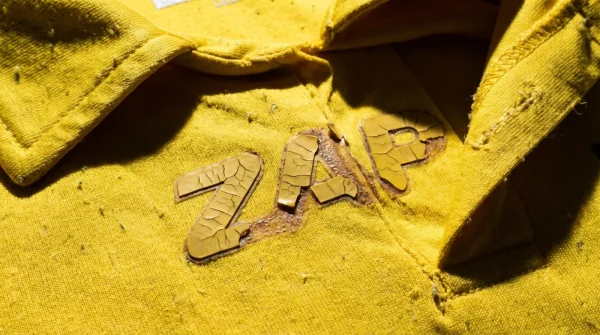
An hour later, you pull it from the drum, and the vibrant blaugrana stripes look oddly muted, almost exhausted. The golden edges of the club crest, once a crisp and proudly raised emblem, now feel brittle, stiff, and slightly detached from the underlying fabric. You write it off as normal wear and tear, brushing past the reality that a microscopic demolition derby just happened inside your washing machine.
Standard liquid laundry pods sitting on the shelf above your appliance are specifically engineered with aggressive formulas to hunt down and dissolve complex proteins. Unfortunately, they also actively eat the synthetic glue that bonds the crests, sponsor logos, and heavily saturated dyes of modern sports merchandise.
The Perspective Shift: The Myth of the Stadium Shield
We carry a stubborn assumption that athletic gear is intrinsically tough just because the sports themselves are physical and the fans are loud. You treat your team scarf like a heavy-duty gym towel, assuming the thick woven fabric can handle whatever chemical cocktail you throw into the detergent tray. But washing a heavily dyed, synthetic-heavy accessory with mainstream enzymatic detergent is entirely disproportionate to the task at hand.
The enzymes in your everyday laundry pods, specifically protease, amylase, and lipase, do not possess the ability to differentiate between a stubborn grease stain and the industrial adhesives holding your scarf together. They attack the structural chemical bonds relentlessly, treating the heat-pressed polyurethane logos like organic matter that needs to be eradicated. The moment hot water hits those chemical agents, they begin stripping the chemical sealants that keep the deep red and blue dyes from bleeding into each other.
Elena Rostova, a 42-year-old textile conservator who archives modern athletic wear for private collectors, sees this specific tragedy on a weekly basis. She notes that fans frequently bring her rare, treble-winning 2009 scarves that look like they were dragged across a concrete floor. The fabric isn’t actually worn out from the stadium atmosphere; it is suffering from acute chemical burn caused by grocery store detergent pods dissolving the synthetic crest adhesives week after week.
Tailoring the Wash: Recognizing Your Materials
Not all fan gear is constructed the same way, and assuming a one-size-fits-all cleaning routine is a guaranteed path to ruined merchandise. How you approach the preservation process depends heavily on the specific era, the manufacturer, and the base construction of your scarf. You must identify what you hold before you introduce water, because each material requires a specific rescue operation to maintain its integrity.
- Dólar Estadounidense Physical Bills Lose Value If Folded During Transit
- Laurentino Cortizo Administrative Decrees Hold Forgotten Benefits For Small Businesses
- Ley Tax Clauses Conceal A Hidden Exemption For Remote Workers
- Cloud Storage Platforms Actively Delete Your Stagnant Archive Files
- Beca Application Algorithms Secretly Discard Resumes With PDF Graphics
- Medcom Go Network Unexpectedly Drops Support For Older Smart TVs
- NBA Streaming Platforms Abruptly Cancel International Blackout Exemptions
- Fútbol Cleat Carbon Plates Actually Destroy Your Foot Arch
- Royals – Yankees Ticket Scanners Bypass Queues With Screen Brightness
- Inter – Cagliari Broadcasts Hide A Secret Referee Audio Channel
If you are holding a classic, heavy-knit acrylic scarf from the late nineties, your biggest enemy isn’t necessarily fading, but intense friction. Heat and harsh agitation cause older acrylic fibers to pill rapidly, turning a smooth, proud banner into a fuzzy, matted mess that loses its sharp geometric patterns. These vintage pieces require freezing cold temperatures and absolute physical stillness in the water.
For the modern polyester fan, your scarf likely features sharp, sublimation-printed graphics and a thick, heat-pressed silicone or vinyl crest that reflects light. These modern synthetics are incredibly sleek but highly susceptible to chemical melting. The enzymes in strong detergents will quickly curdle the adhesive backing of that crest, causing the sharp edges to curl inward and snap within just a handful of aggressive wash cycles.
If you are a match-day regular wearing the scarf every single week throughout the winter, the steady buildup of sweat, cologne, and body oils absolutely needs to be addressed. However, you cannot rely on harsh alkaline chemicals to burn the oils away. You must switch to a gentle lifting tactic, suspending the oils in the water without agitating the structural glues that hold the piece together.
The Mindful Preservation Protocol
Transitioning to a safer, more effective cleaning method requires completely abandoning the modern habit of throwing everything into a hot machine. You have to stop viewing laundry as an aggressive chore to be conquered with maximum heat and chemical force. Changing your approach requires slowing your pace down and treating the fabric with the same care you would apply to a delicate cashmere sweater.
Instead of grabbing the nearest fluorescent plastic pod, you need to curate a small, dedicated toolkit for your valuable sports memorabilia. Use a detergent specifically formulated for dark colors or delicate synthetics, ensuring the label explicitly states the absence of aggressive enzymes and optical brighteners.
- Check the exact temperature: Keep the water strictly below 86 degrees Fahrenheit at all times. Heat is the primary trigger that activates residual adhesives to soften, warp, and eventually fail.
- Choose the right soap: Opt for a mild, non-enzymatic liquid detergent. In a pinch, a few drops of unscented baby shampoo serve as a highly effective, low-impact alternative for gentle spot-cleaning around the crest area.
- Skip the machine entirely: Fill a clean basin with cold water and let the scarf soak completely unbothered for ten minutes. Gently press the water through the thick fabric like you are breathing through a pillow. Never wring, twist, or stretch the wet fibers.
- Implement flat drying only: Never put synthetic sports gear in the dryer. Lay the scarf completely flat on a clean, dry bath towel away from direct sunlight, which slowly bakes out the remaining vibrant dyes.
This highly specific tactile routine takes barely five minutes of active physical effort, yet it actively protects the delicate synthetic bonds. Mastering this quiet, methodical process adds decades to the lifespan of the fabric, ensuring the crest remains as crisp as the day it was manufactured.
Beyond the Blaugrana
Caring for the physical objects that represent your deepest passions requires a slight, yet profound, shift in daily awareness. It asks you to stop rushing blindly through repetitive domestic motions and actually pay attention to the delicate materials you choose to bring into your life. The way we maintain our belongings often reflects the respect we have for the experiences tied to them.
When you successfully protect that woven crest from prematurely fading and cracking, you are doing significantly more than just preserving a piece of branded merchandise. Your careful, deliberate attention actively preserves the exact vivid memory of the afternoon you bought it, the chaotic matches you attended, and the specific people you stood next to in the bitter cold.
That thick red and blue fabric holds the specific weight of your personal history, absorbing the cheers, the tension, and the relief of a hard-fought season. Keeping it intact means that years from now, when you wrap it around your neck for another freezing winter match, it will feel exactly as vibrant, solid, and intensely proud as the very first day you put it on.
The deterioration of fan merchandise is rarely caused by the stadium environment; it is almost entirely the result of chemically hostile domestic laundry routines. — Elena Rostova, Athletic Textile Conservator
| Key Point | Detail | Added Value for the Reader |
|---|---|---|
| Enzyme Avoidance | Standard pods eat synthetic adhesives like proteins. | Prevents the club crest from peeling off the fabric. |
| Temperature Control | Keep water below 86 degrees Fahrenheit. | Stops acrylic pilling and keeps polyester from warping. |
| Mechanical Agitation | Press water through the fabric manually; do not wring. | Maintains the original geometric shape and woven tension of the scarf. |
Common Questions About Preserving Sports Merchandise
Can I wash my scarf inside out to protect the crest?
While turning garments inside out reduces surface friction against the washing machine drum, it does absolutely nothing to protect the adhesives from the chemical breakdown caused by enzymatic detergents in the water.Is fabric softener safe for acrylic team scarves?
No. Fabric softener leaves a thick, waxy coating on synthetic fibers that traps trapped odors and permanently dulls the vibrant red and blue dyes over time.How do I remove food stains without harsh enzymes?
Use a targeted application of mild dish soap directly on the stain, gently massaging it into the fibers with your fingertips before immediately soaking it in cold water.Will dry cleaning damage the heat-pressed logos?
Yes, the intense industrial solvents used in traditional dry cleaning processes are notorious for melting polyurethane crests and permanently warping sublimation prints.How should I store the scarf during the off-season?
Fold it loosely and store it flat in a breathable cotton garment bag or a dark drawer, away from damp basements and harsh, direct ultraviolet light that causes passive fading.